
What a hospital bag is for
A hospital bag is a practical carry bag for labour, birth and the first few days after arrival. It helps you keep your own items and baby essentials together, so you are not searching through different packs when you need something quickly. For many South African parents, it also works as a neat travel bag for a clinic visit, a weekend away or a short stay with family.
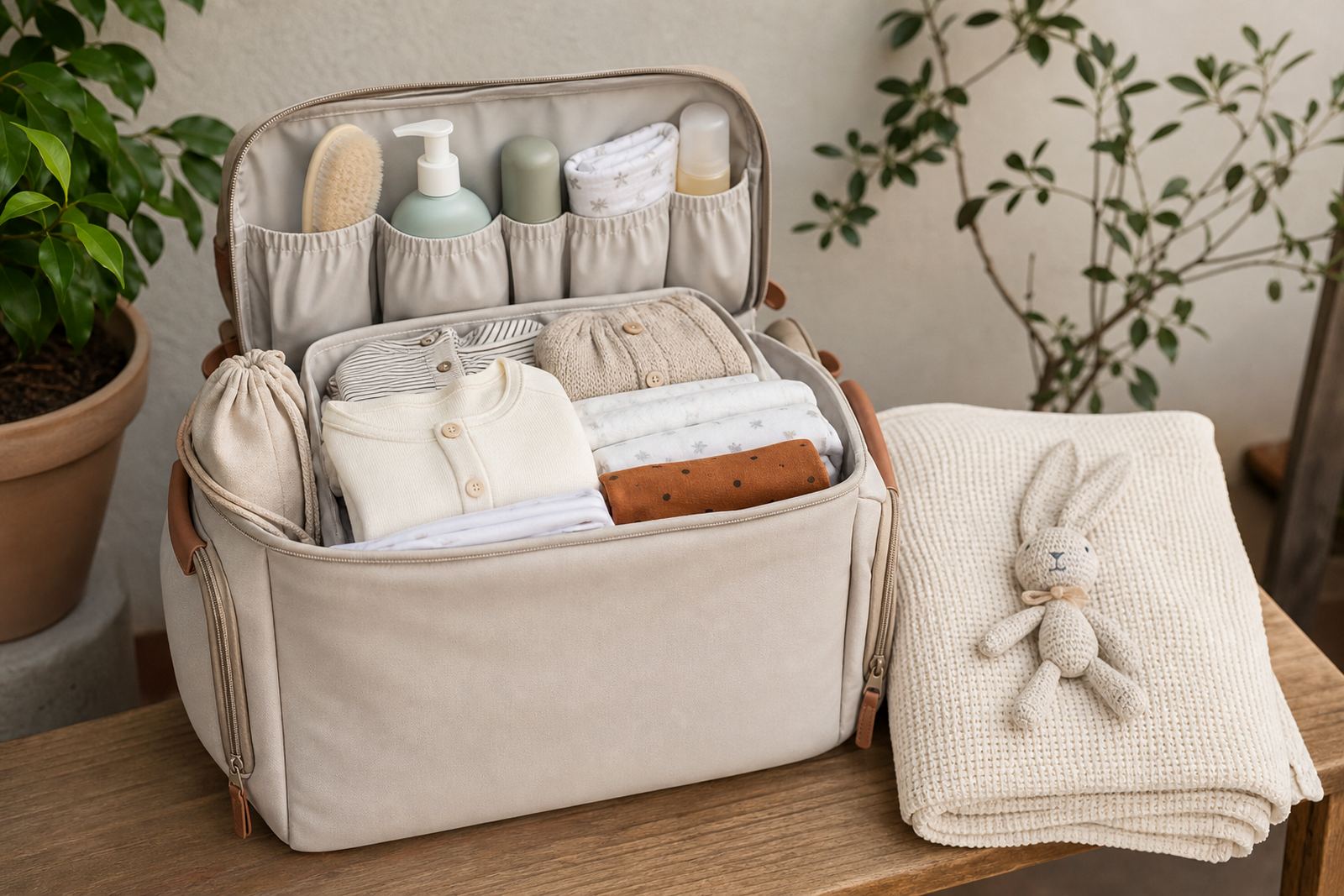
The main value is simple organisation. A good bag should open wide, hold its shape and give you clear space for folded clothing, toiletries, nappies, wipes and paperwork. If you are packing for a private hospital in Durban, a local maternity ward in Pretoria, or a family visit in Gqeberha, the same idea applies, keep the essentials close and easy to reach.
Sizes, carry styles and storage options
Hospital bags are usually chosen by how much you want to carry and how you like to pack. Some parents prefer a compact holdall, while others need a larger bag with separate sections for baby things, personal items and snacks. A wider opening helps when packing bulky items such as blankets or extra clothing, and a bag with firm sides is easier to stack in a car boot.
- Small option: good for a lighter packing list or a partner bag
- Medium option: suitable for most maternity essentials and a few baby items
- Large option: useful for twins, longer stays or extra clothing changes
- Extra pockets: helpful for nappies, chargers, documents and small toiletries
- Wet area or wipeable lining: handy for spills and quick clean-ups
Look for comfortable handles and, where available, a detachable shoulder strap. That makes the bag easier to carry through a parking area, lift into a taxi or move between home and hospital without strain.
Where this bag suits best
These bags suit hospital admissions, antenatal visits where you want a packed bag nearby, and short stays where baby items need to be kept together. They are also a sensible choice for a nursery corner at home, especially when you want one place for spare vests, muslins and fresh nappies. In coastal areas like Umhlanga, Ballito and Cape Town, a bag with easy-care fabric is useful because humidity and sea air can affect stored items if they are left too long in damp spaces.
For parents in busy metro areas such as Johannesburg or Pretoria, a compact but roomy bag is useful for keeping everything ready in the car. If you are travelling between home and the clinic in Pietermaritzburg or between suburbs in Durban, a bag that can sit flat in the boot and stay closed securely is often the easiest choice.
Packing checklist and practical use
Most hospital bags are used for a short, specific purpose, so the packing list should be simple and organised. Separate baby items from your own belongings if possible, and keep paperwork in a pocket that is easy to find. A labelled pouch or a small inner organiser can help if more than one person may need to grab something quickly.
- Identification, hospital documents and appointment papers
- Comfortable clothing and a few changes for you
- Baby outfit, nappies, wipes and a receiving blanket
- Toiletries and any personal care items you use daily
- Phone charger, spare socks and light snacks for the journey
As a general safety reminder, only pack items that are suitable for newborn use and follow the hospital's own guidelines for what may be brought in. If you have health questions, speak to your clinic, midwife or doctor.
Installation, power and gas needs
Hospital bags do not need installation, power or gas. They are ready to use straight away and can be packed, stored and carried as needed. That makes them suitable for load-shedding households too because there is nothing to charge or plug in. If your bag includes a removable strap or insert, check that it is fitted properly before travel and that all zips or fasteners close smoothly.
When storing the bag at home, keep it in a dry cupboard, on a shelf or in an indoor storage area away from direct sun and moisture. In humid coastal conditions, allow the bag and any folded baby items inside to breathe once in a while so they do not pick up a stale smell.
Care, cleaning and what to check before ordering
Care is usually straightforward. Wipe the outside with a damp cloth, empty pockets after use and let the bag air out before storing it again. If the material is washable, follow the care instructions supplied for that specific bag. Avoid overfilling, because too much weight can stress handles, stitching and zips over time.
Before ordering, check the following points so the bag matches your needs and the trip ahead. A little planning helps, especially if you are buying for a planned delivery or a gift for someone in Durban, Cape Town or Gqeberha.
- Overall size and whether it fits your car boot or pram storage area
- Number of compartments and how easy they are to access
- Handle length and whether you want a shoulder strap
- Material type, lining and how easy it is to clean
- Zip quality, stitching and base support
- Colour or finish if the bag will also be used after the hospital stay
If you are choosing a gift, our team can help with gift wrapping, a gift message, group gifting or direct gift delivery across South Africa. For any product questions, use the enquiry form on our contact page and we will assist from there.
Key facts
| Product type | Hospital bag for maternity and baby essentials |
|---|---|
| Typical use | Packing and organising items for labour, delivery and short stays |
| Size options | Small, medium and large options depending on packing needs |
| Carry style | Handheld handles, with shoulder strap on selected styles |
| Care | Wipe clean or follow the care instructions supplied with the bag |
| Power or gas requirement | None |