
What a newborn onesie does day to day
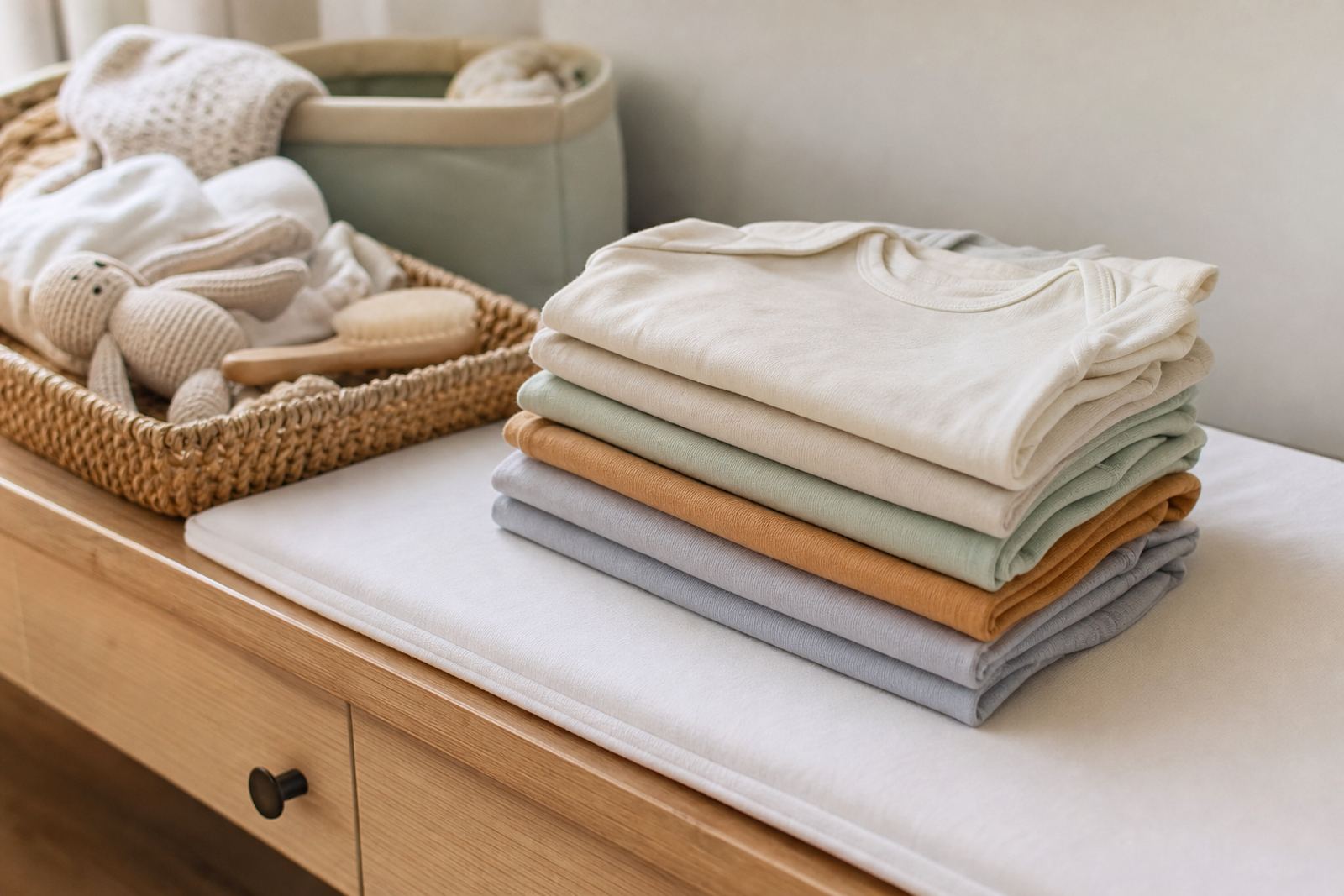
A newborn onesie is a one-piece baby basic that covers the torso and usually closes with press studs or a zip for faster changes. It keeps clothing in place during feeds, nappy changes and naps, and it works well under blankets, sleepwear or a cardigan when the weather turns cool in Durban or colder inland. Parents often choose onesies because they are practical, neat and easy to pack in a nappy bag.
For South African homes, the fabric choice matters. In humid coastal weather, lighter cotton helps with comfort, while slightly warmer long-sleeve styles are handy for air-conditioned rooms or winter mornings. You can use them as everyday daywear, underlayers, going-home outfits or simple gifts for new arrivals.
Sizes, sleeve lengths and useful options
Newborn onesies are usually chosen by size rather than age alone, because babies grow at different rates. A good range should include newborn, 0 to 3 months and 3 to 6 months, with both short-sleeve and long-sleeve options. Some parents prefer wrap-style openings for easier dressing in the early weeks, while others like front fastening styles that open quickly for nappy changes.
- Newborn size for very small babies and first outfits
- 0 to 3 months for a bit more room to grow
- Short sleeve styles for warm days and layering
- Long sleeve styles for cooler mornings and evenings
- Envelope neck or wrap front for easier dressing
- Built-in footed styles are separate from standard onesies
When ordering, it helps to check the baby’s estimated size, not just the due date. If you are buying a gift, a slightly larger size can be more useful because newborns outgrow small clothing quickly.
Where newborn onesies suit best
These baby basics suit home use, clinic visits, family photos, travel and everyday layering. They are especially practical for the first few weeks when parents want clothing that is soft, simple and easy to change. A onesie also works well in a hospital bag because it takes up little space and can be paired with a hat, blanket or jersey depending on the season.
They are a good choice for gift boxes, baby showers, registry gifts and workplace baby gifts, especially when someone wants something useful rather than decorative. For deliveries to Johannesburg, Pretoria, Cape Town or Gqeberha, many families prefer products that can be used straight away and washed often. That is where a plain, well made onesie comes in handy.
Fabric, comfort and everyday specs to look for
Good newborn onesies are usually made from soft, breathable fabric that feels gentle against sensitive skin. Look for flat seams, neat stitching and fastening that opens and closes smoothly. In South Africa, cotton is a dependable choice for warm weather, while cotton blends can help clothing hold its shape after repeated washing. Avoid anything with scratchy labels or stiff trims.
- Soft fabric that feels comfortable against baby skin
- Easy fastening for quicker nappy changes
- Stretch for gentle movement and layering
- Neat seams and secure stitching
- Washable for regular use
- Lightweight enough for packing and travel
If you are buying for a coastal town like Umhlanga or Ballito, lighter fabric can be easier to wear during humid days. For inland winters, long sleeves and layering make more sense, especially for early mornings and cool evenings.
Care, washing and simple safety reminders
Washing is straightforward, but it helps to follow the care label on each item so the fabric lasts longer. Most baby basics are best washed in mild detergent, with similar colours kept together. If a garment has prints or embroidery, turning it inside out before washing can help reduce wear. Drying in shade is often kinder to fabric in strong KwaZulu-Natal sun, and it also helps colours stay fresher.
For safety, always check that fastenings are secure and that any loose threads are removed before dressing baby. Keep clothing free from small decorative parts that could come loose. If you have health questions about your baby’s skin, temperature or clothing needs, speak to a clinic, midwife or doctor. A onesie should support comfort, but it is not a substitute for medical advice.
What to check before you place an order
Before ordering, check the size, sleeve length, fabric feel and fastening style. It is also worth confirming whether the onesie is intended for daytime wear or layering, because that helps you choose the right thickness. If you are sending a gift, check the delivery area and whether you want gift wrapping, a gift message or direct gift delivery. Maata arranges online orders with delivery across South Africa, including Durban, Umhlanga, Ballito, Johannesburg, Pretoria, Cape Town, Gqeberha and Pietermaritzburg.
- Size range and fit for the baby’s stage
- Short sleeve or long sleeve option
- Fabric type and wash care
- Fastening style for easier changes
- Gift wrap, gift box or message if needed
- Delivery address and timing for your area
There are no installation, power or gas needs for newborn onesies, so they are simple to order and use. If you are shopping for a last-minute gift, this is one of the easiest baby essentials to send because it is practical, lightweight and useful from day one.
Key facts
| Product type | Newborn baby one-piece clothing |
|---|---|
| Common sizes | Newborn, 0 to 3 months, 3 to 6 months |
| Sleeve options | Short sleeve and long sleeve |
| Fastening | Press studs or zip style options |
| Main use | Everyday wear, layering and gifting |
| Care | Machine washable, follow care label |