
What early mealtimes usually need
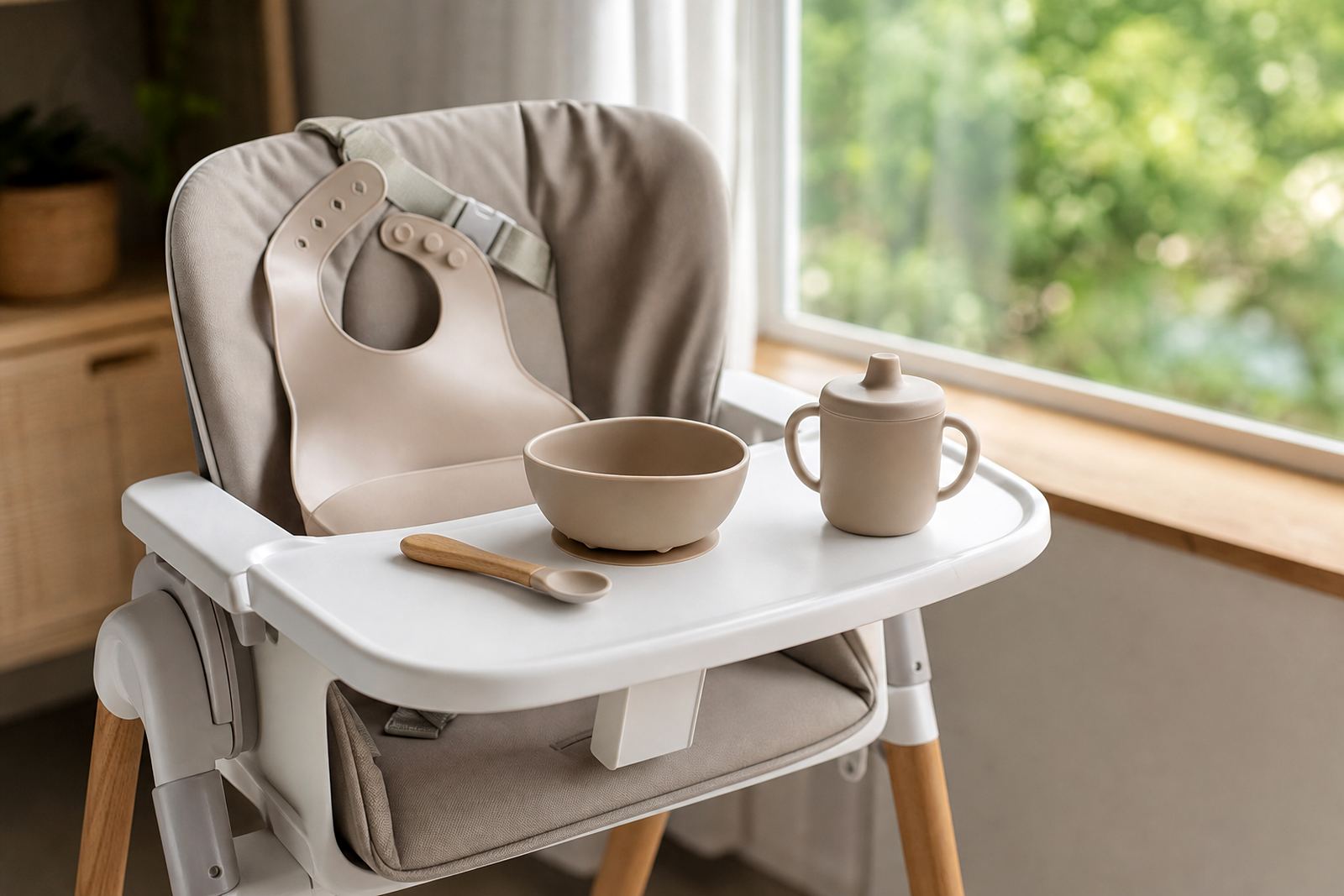
When families start planning for early mealtimes, they often want a small set of items that work for breakfast, lunch and supper without fuss. The usual starting point is a few baby bowls, a couple of spoons, bibs that are simple to wipe or wash, and a container or two for keeping portions separate. For many homes, especially when grandparents, childcare helpers or working parents are sharing routines, it helps to keep the set consistent so everyone knows where things are kept.
In a Durban home, where humidity can make drying space feel limited, quick washing and air drying matter more than people expect. In Johannesburg or Pretoria, the concern is often about keeping a neat feeding corner that does not get crowded. At the coast, with salt air and damp weather, it is sensible to choose items that can be cleaned often and stored properly between uses.
- 1 to 2 bowls for single portions
- 2 to 4 feeding spoons with soft tips for early use
- At least 2 bibs for daily rotation
- A small wipe-clean mat for the table or high chair tray
- A simple storage tub or basket for keeping feeding items together
Choosing bowls and spoons that suit small portions
For early mealtimes, small portions are usually easier to handle than large ones. Bowls should sit steadily on a tray or table, and spoons should feel light enough for an adult to guide comfortably. Some families prefer shallow bowls for first tastes, while others like slightly deeper bowls for thicker foods. Either way, the aim is to make serving and cleaning straightforward.
It also helps to think about grip. A spoon with a short handle can be easier to control during the early stages, while a wider handle may suit an adult helping a baby learn. A bowl with a broad base can reduce tipping, which is useful when meal time becomes a bit lively. If a home is doing batch prep for several days, a small matching set keeps things orderly and easy to find.
- Shallow bowls are handy for small portions and quick spoon access
- Deeper bowls can work for thicker textures and mixed foods
- Short-handled spoons are often easier for adult-led feeding
- Wide bases can help reduce spills on high chair trays
Bibs, wipes and the simple clean-up setup
Bibs are one of the most used items in any early feeding routine. A good bib can reduce the amount of washing after each meal and save time during busy mornings. Some parents want a soft fabric bib for comfort, while others prefer a wipe-clean style for faster clean-up after porridge, purees or mashed foods. For homes that rely on a tight laundry schedule, having a few bibs ready in rotation is very practical.
The clean-up area should be close to the feeding space. If the kitchen is small, keep cloths, bibs and spare spoons in one basket near the high chair. If the family uses a dining table, a wipeable mat can help protect the surface and make clearing up easier after a feed. It is also worth keeping in mind that young children should always be supervised while eating, and any health or feeding concerns should be discussed with a clinic, midwife or doctor.
- Keep a spare bib in the nappy bag for visits and outings
- Use a dedicated cloth or wipe for the feeding area only
- Wash items soon after use to avoid stains building up
- Store dry items in a covered container if the air is damp
Layout and planning for Durban homes and beyond
Good layout makes early mealtimes feel calmer. In many Umhlanga and Durban homes, the kitchen is where most feeding happens, so a small tray or basket can hold the essentials in one place. In apartment living, especially where space is tighter, families often prefer compact items that stack neatly. In larger homes in Ballito, Pietermaritzburg or Cape Town, the same logic applies but there may be more than one feeding station, which can be useful when grandparents or carers are involved.
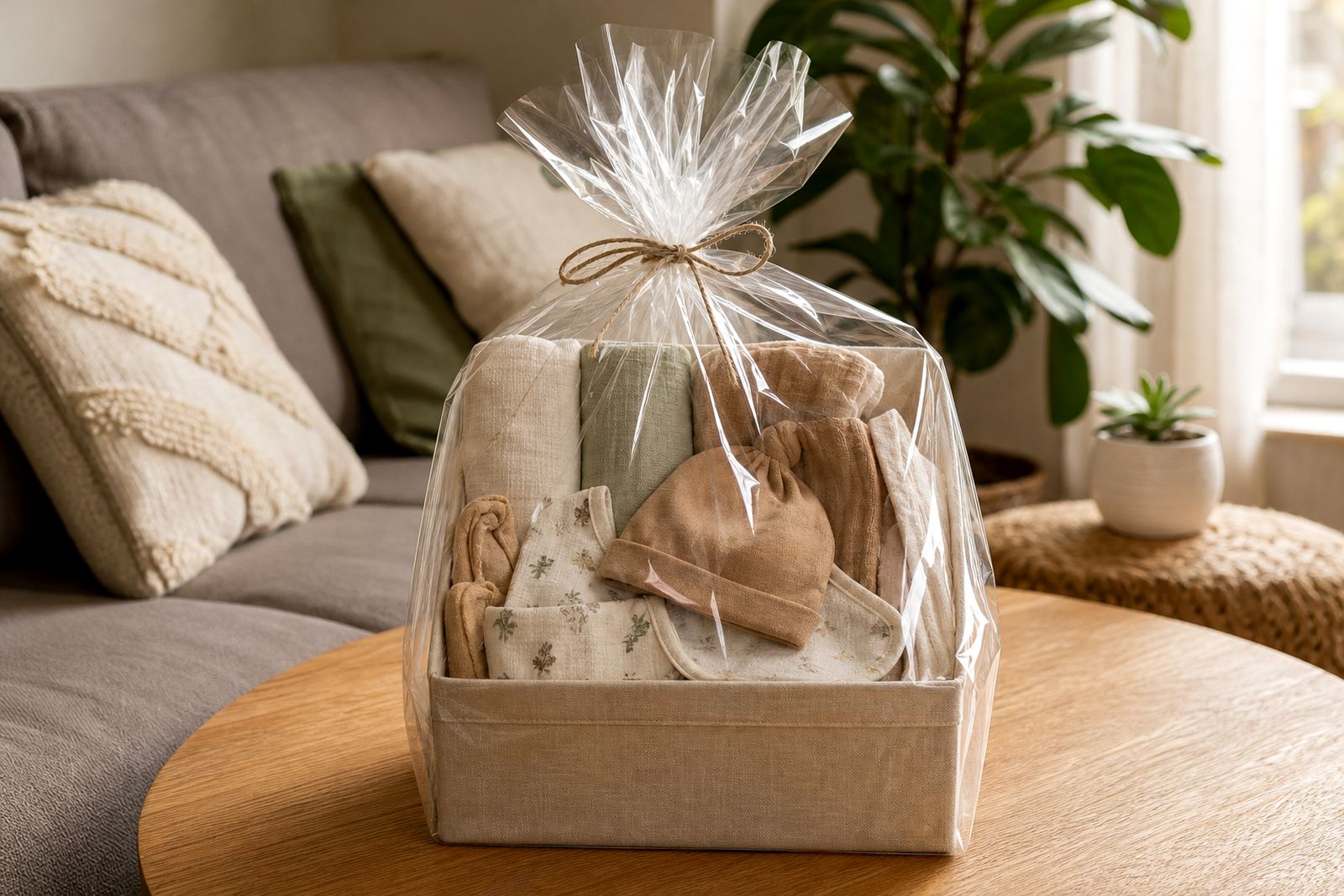
Planning should also take delivery into account. If gifts are being sent to Johannesburg, Pretoria, Gqeberha or Cape Town, it helps to choose items that are light, tidy and easy to pack. For newborn gift boxes or baby shower gifts, a practical set of bowls, spoons and bibs is often appreciated because it gets used quickly and does not take up too much cupboard space. Direct gift delivery can be useful when family members live in different provinces and want something useful sent straight to the parents.
- Keep one basket for feeding items and one for spare wipes or cloths
- Leave enough counter space for setting down a bowl safely
- Choose stackable items where possible if cupboard space is limited
- If gifting, pick neutral colours that suit different homes and styles
Common mistakes families make with early feeding items
A common mistake is buying too much at once. Early mealtimes often work best with a small, manageable set rather than a cupboard full of options. Another issue is choosing items that look nice but are awkward to wash or store. Families sometimes discover that a set of large bowls is not very useful for small portions, or that a bib is hard to fasten and ends up staying in the drawer.
Another mistake is not thinking about who will use the items. If the baby is cared for by more than one person, the feeding kit needs to be simple and obvious. That means clear storage, easy-to-recognise items and enough duplicates to avoid last minute rushing. It is also worth remembering that babies should not be left unattended during feeding, and any swallowing or growth concerns should be raised with a healthcare professional rather than handled at home.
- Do not buy only one spoon and expect it to last the whole week
- Avoid oversized bibs that slip or sit awkwardly around the neck
- Do not choose items that stain too easily if you need quick turnarounds
- Do not overpack the feeding area with products that rarely get used
Budget ranges in Rand for a sensible starter set
For most families, a sensible early mealtimes starter set does not need to cost a fortune. A basic mix of bowls, spoons and bibs can be kept practical and affordable, especially if the set is being bought for a single child or as a gift. Budget ranges depend on the type of material, the number of pieces and whether the items are being bought as separate pieces or as a coordinated bundle.
As a guide, a very simple starter could begin around R150 to R300, which may cover a few basic feeding pieces. A more complete set for home use and gifting might sit between R300 and R700, depending on the number of items included. If you are putting together a newborn gift box, maternity gift box or workplace baby gift, many families like to keep the feeding portion modest and spend more on the items that will be used every day.
- R150 to R300 for a small starter set
- R300 to R500 for a more balanced home set
- R500 to R700 for a larger gift bundle or combined set
- R700 plus for grouped gifting with added extras such as vouchers or gift wrapping