
Starting with the basics: what mealtime tools do day to day
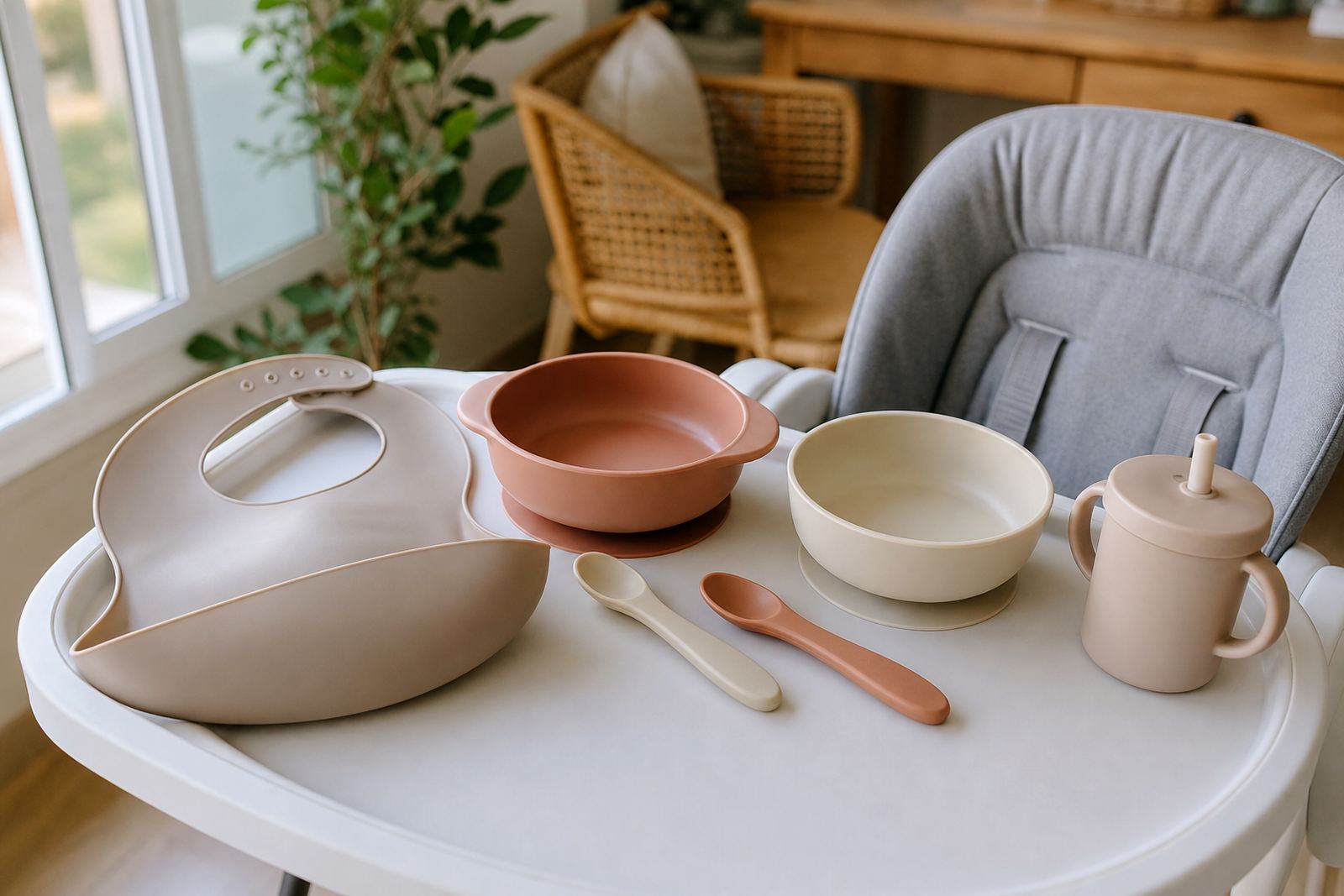
When families start putting together a baby or toddler mealtime set, it usually comes down to three everyday items: bowls, spoons and cups. Each one has a simple job, but the right shape, size and material can make clean-up easier and help keep meals a bit less messy.
In South African homes, these items often need to handle more than one setting. They may be used at home in Umhlanga, packed for a visit to grandparents in Pietermaritzburg, or sent with a child to crèche. That means they should be easy to hold, simple to rinse and strong enough for regular use.
Families often look for smooth edges, a comfortable grip and pieces that fit neatly into a lunch bag or kitchen drawer. In a busy household, even a small bowl with a stable base can make a difference when serving porridge, fruit, yoghurt or soft snacks.
Bowls that suit small portions and busy hands
Baby and toddler bowls are usually best when they are shallow enough for easy scooping but deep enough to keep food in place. Some families prefer lightweight bowls for everyday use, while others like heavier pieces that stay put better on the table.
For homes along the coast, especially in Durban and Ballito, humidity can affect how items are stored. It helps to keep bowls dry and stacked neatly in a cupboard with good airflow. If a family has limited storage space, nesting sets can be practical because they take up less room.
- Look for a base that sits flat on the table.
- Choose a size that matches small portions, not full adult servings.
- Check that the rim is comfortable for adult hands too, since parents do a lot of the lifting and washing.
- For gifting, a bowl that comes with a matching spoon or cup can feel complete without being too much.
In our experience, a simple bowl is often used far more than a novelty item. The best choice is usually the one that can handle the everyday routine without fuss.
Spoons that feel gentle and easy to hold
Spoons for babies and toddlers are usually smaller than standard kitchen spoons, with a shape that makes it easier to feed little mouths. A soft tip can be useful for early stages, while a firmer spoon may suit older toddlers who want to try feeding themselves. Both options can be useful, depending on the family stage.
Parents often prefer spoons with a handle that is slightly thicker or textured so it is easier to grip. That can help when hands are wet, or when a spoon is passed quickly between adults during mealtime. For families managing load-shedding in Durban or Johannesburg, a simple spoon that does not need special care is often the most practical choice.
- Keep spoon edges smooth and free from chips or cracks.
- Choose a length that is easy for an adult to use and small enough for a child to practise with.
- Have a few spares on hand for school bags, travel and the car.
- Wash and dry spoons properly before storage, especially in coastal areas where moisture can linger.
If you are unsure whether a spoon is suitable for a particular age or stage, a clinic, midwife or doctor can guide you on what is appropriate for your child.
Cups for early sips and growing independence
Cups are often one of the most useful items in a family mealtime routine. Some households start with open cups, while others use cups with lids or training features for younger children. The main goal is usually the same: something that feels manageable and not too heavy in small hands.
A cup with a broad base can be easier to place on a table without tipping, while a smaller handle or two handles can help little fingers get a steady hold. In Cape Town or Gqeberha, where families may spend time outdoors, a cup that fits into a bag without leaking is often appreciated for picnics, park visits or school runs.
It is also worth thinking about how a cup will be used in the home. Some families want one cup for the kitchen and another for the nappy bag. Others prefer a simple set that can move between home, daycare and grandparents without confusion.
- Check that the lid closes properly if the cup is meant for travel.
- Choose a size that suits small servings rather than a large adult cup.
- Make sure the cup is easy to clean inside around the rim and any small grooves.
- Keep cups out of reach when they are not in use so they do not become play items around the house.
Choosing materials that suit South African homes
Material matters because it affects weight, cleaning and how long an item lasts. Some families prefer light pieces that are easy to pack, while others want a more solid feel for home use. The right choice often depends on daily routines, storage space and how many times an item will be washed in a week.
In hotter inland areas like Pretoria, kitchen items may dry quickly, while coastal homes may need a little more care to avoid moisture build-up. If a household uses the same bowl or cup again and again, it helps to store it in a clean dry cupboard rather than leave it near a sink or window.
When buying mealtime tools online, parents often look for practical details such as size, shape, lid style and how easy the item is to pack in a nappy bag. A set that works well at home should also hold up on the road, whether that is a quick trip across Durban or a longer delivery to Johannesburg or Cape Town.
Giftable sets for baby showers and new parents
Mealtime tools are a useful gift because they are everyday items that get used again and again. They work well in newborn gift boxes, maternity gift boxes, baby shower gifts and group gifting, especially when family and friends want something practical rather than decorative only.
For a thoughtful present, it helps to match the stage. A new parent may appreciate a simple starter set that can be packed away for later use, while a family with a toddler may need a stronger cup and an extra spoon or two. Gift wrapping and a short message can make the handover feel personal without adding clutter.
Local delivery also matters. A baby gift sent directly to a home in Umhlanga, Ballito, Johannesburg or Gqeberha can save the buyer time and make last-minute gifting easier. If the gift is for a workplace baby celebration, a neat bundle with a few useful pieces usually travels well and is easy to share.
- Choose items that suit the baby stage, not only the colour scheme.
- Keep the set practical enough to use daily.
- Add a gift message for a more personal touch.
- For health or feeding concerns, rather speak to a clinic, midwife or doctor.
A simple buying checklist for families
Before adding bowls, spoons or cups to a basket, it helps to slow down and think through how the items will be used. A small, well-chosen set is often more useful than a large mix of pieces that do not quite suit the family routine.
Ask these practical questions: Will this be used at home or on the move? Is it easy to wash? Does it fit into the nappy bag? Will it still work when the child gets a little older? These checks can save time and reduce unnecessary extras in the kitchen.
Maata serves families across South Africa, with delivery to Durban, Umhlanga, Ballito, Johannesburg, Pretoria, Cape Town, Gqeberha and Pietermaritzburg. For questions about the range or a gift order, customers can use the enquiry form on the contact page and get help from the team in Durban.
In the end, good mealtime tools are not about overthinking the small things. They are about choosing pieces that fit real family life, day after day.