
What a Receiving Blanket Does for Daily Baby Care
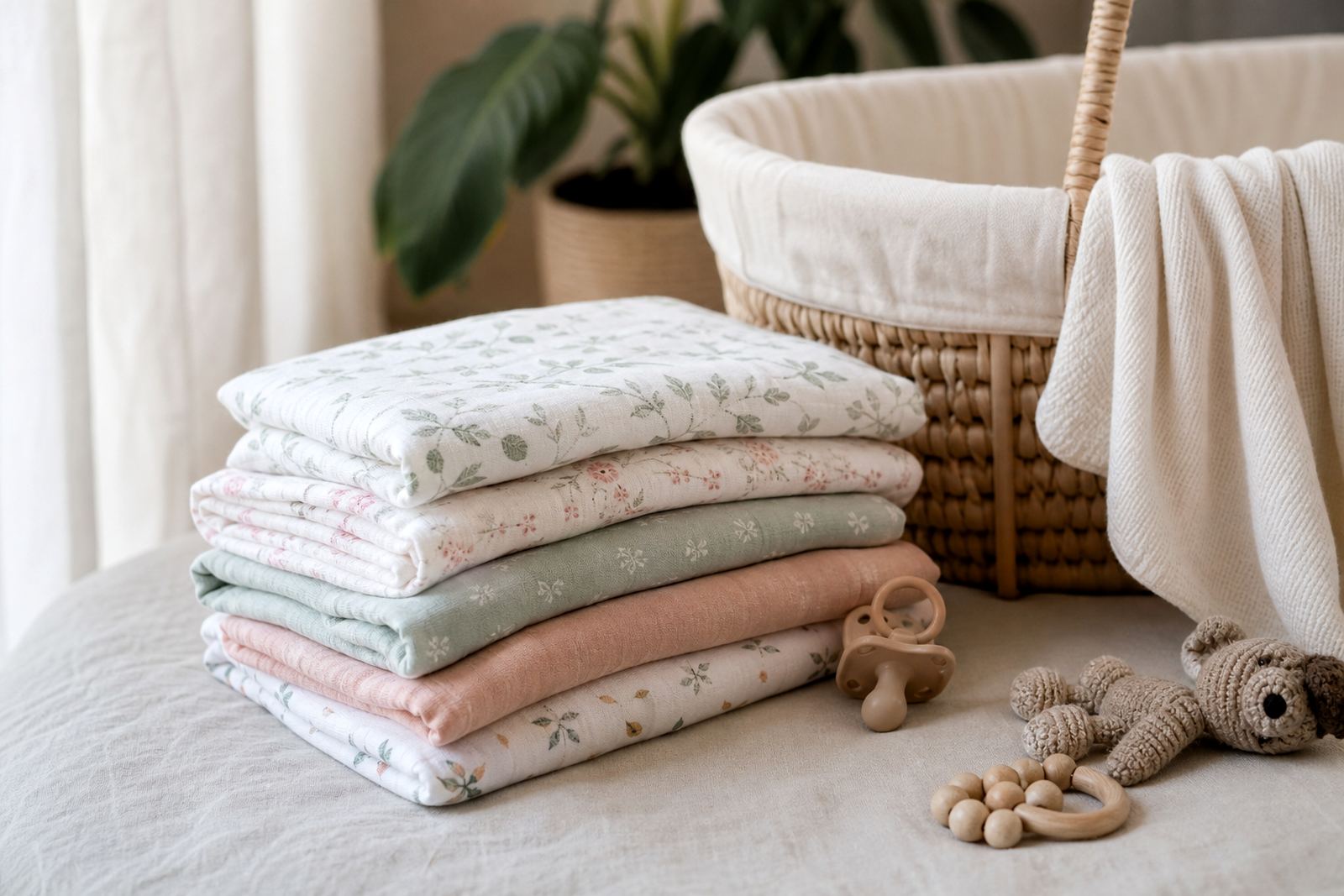
A receiving blanket is a soft, lightweight blanket made for everyday baby use. It is smaller and easier to handle than a standard cot blanket, which makes it handy for carrying baby, covering legs in the pram, or adding a light layer when you are out and about in Durban or travelling between home, the clinic and family visits. For many parents, it becomes the blanket that stays in the nappy bag because it is useful in so many small moments.
These blankets are made for general comfort and light covering, not as a replacement for safe sleep practices. Babies should be placed on a firm, flat sleep surface and kept clear of loose items in the cot or bassinet. If you are unsure about safe sleep, ask your clinic, midwife or doctor for guidance.
Sizes, Fabrics and Finishes to Look For
Receiving blankets come in practical sizes that are easy to fold and pack. Common dimensions are around 75 cm x 75 cm for newborn use, with some larger options closer to 90 cm x 90 cm for a bit more coverage. The right choice depends on how you plan to use it, whether that is for wrapping after bath time, covering in the pram or keeping baby cosy during feeds and visits.
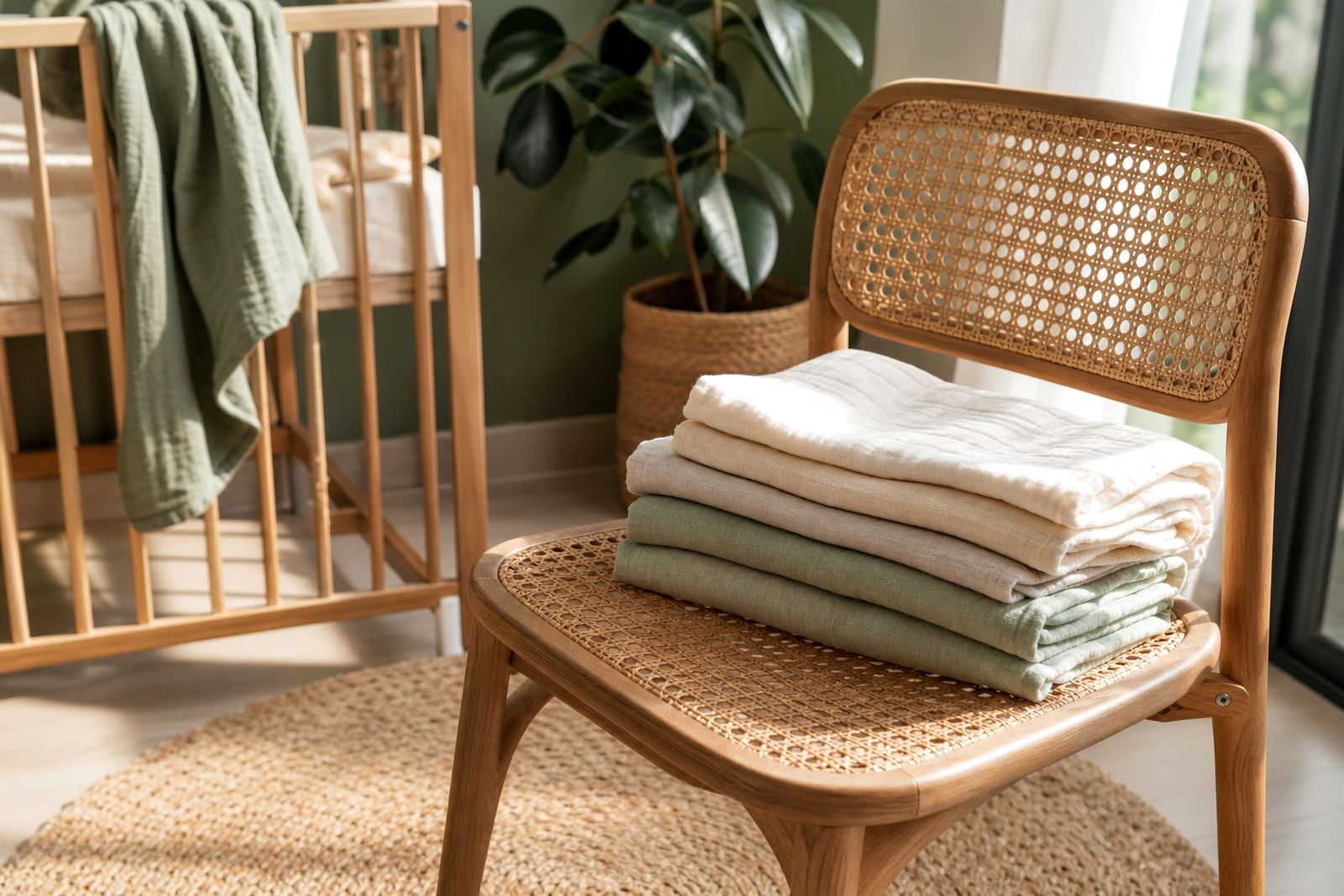
- Lightweight cotton for warmer weather and indoor use
- Soft knitted or jersey-style fabric for a gentle stretch
- Quilted or slightly thicker fabric for cooler mornings
- Plain colours, prints or gift-ready sets for baby shower presents
- Finished edges for neat folding and less fraying with regular washing
In coastal areas like Umhlanga, Ballito and Gqeberha, lighter fabric can be useful in humid weather. In cooler inland areas, parents often prefer a slightly thicker blanket for early mornings and evening outings.
Where It Suits Best at Home and On the Go
This is a versatile baby item for everyday routines. It works well in the pram, in the car as an extra layer over baby, during tummy time on a clean surface, or as a burp cloth if needed. Many parents also keep one in the nursery, one in the nappy bag and one in the washing basket so there is always a clean blanket ready.
Receiving blankets are especially practical for families who move around often, use school runs, do quick grocery trips or visit relatives in Johannesburg, Pretoria or Cape Town. They are small enough to pack away easily, but still useful when baby needs to be covered quickly.
- Pram cover for shade and light warmth
- Light layer during feeds or cuddles
- Clean surface for supervised floor time
- Extra layer in the hospital bag or home bag
- Giftable item for maternity or newborn hampers
Care Instructions for Busy South African Households
Most receiving blankets are simple to care for, which is important when you are washing baby items often. A gentle machine wash is usually suitable, using mild detergent and similar colours together. Avoid harsh bleach on printed or coloured fabric unless the care label says otherwise. Line drying is often the easiest option in South Africa, especially where load-shedding or damp coastal weather can slow down tumble drying. If you use a tumble dryer, keep it on a low heat setting to help the fabric last longer.
Check the care label before washing for the first time, because fabric blends can differ. Some blankets are quick to dry, while others may need a little more time to air out fully. If the blanket has decorative stitching or a special weave, wash it inside out to help keep the finish neat.
- Wash before first use
- Use mild, fragrance-light detergent if possible
- Dry fully before folding and storing
- Keep away from rough zips and velcro to reduce snagging
- Replace any blanket that becomes stretched, torn or damaged
What to Check Before You Order
When ordering a receiving blanket online, it helps to check the size, fabric type, colour and how many are included if the item comes as a set. Some parents want one piece for the hospital bag, while others prefer a few matching blankets for home and the nappy bag. If you are buying a gift, a neutral colour or soft print is usually a safe choice.
It is also worth checking whether the blanket is a single layer or a thicker style, and whether the edges are neatly finished. If you are sending it as a gift through our contact form, you can also ask about gift wrapping, a message card, gift bundles or direct delivery to Durban, Umhlanga, Ballito, Johannesburg, Pretoria, Cape Town, Gqeberha or Pietermaritzburg.
Ordering for New Parents, Gifts and Registry Planning
Receiving blankets are a practical item for newborn gift boxes, baby shower gifts and registry help because they are useful from the start and easy to mix with other baby essentials. They suit both first-time parents and families adding another child to the home. For workplace baby gifts or group gifting, they are a simple choice that still feels personal when paired with a blanket, onesie or small nursery item.
If you are putting together a gift bundle, think about whether the family will need lightweight layers for Durban weather or something a little warmer for inland towns. A receiving blanket is a small item but it gets used often, and that is what makes it worth having close by.
Key facts
| Product type | Receiving blanket for newborn and infant everyday use |
|---|---|
| Typical sizes | About 75 cm x 75 cm to 90 cm x 90 cm |
| Common fabrics | Cotton, jersey, knitted blends and quilted styles |
| Use cases | Pram cover, cuddle blanket, light layer and gift item |
| Care | Gentle machine wash, low heat drying or line dry |
| Power or gas needs | None |