
What a sippy cup is and why families use it
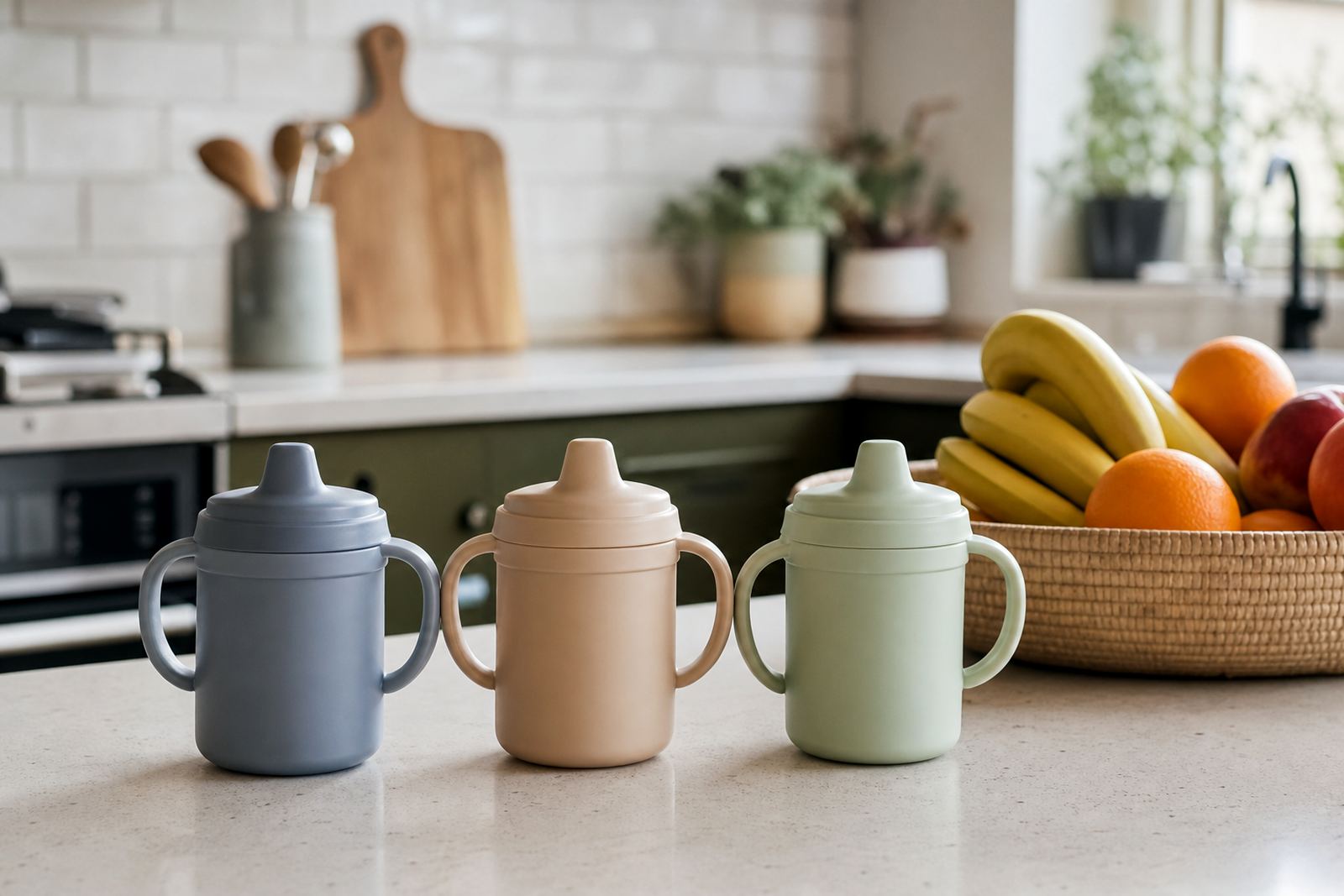
A sippy cup is a small drinking cup made for babies and toddlers who are moving on from bottles or open cups. It usually has a lid, a controlled drinking spout or valve, and handles or a shape that is easier for small hands to hold. The idea is simple: less spilling, more independence, and a cup that can handle the daily knocks that come with family life.
Parents often choose sippy cups for water, milk or other age-appropriate drinks at home and on the go. They are useful in the nappy bag, at daycare, during car trips and when visiting grandparents. For younger children, a cup with a softer flow can help them get used to drinking with a lid, while older toddlers may prefer a more open feel as they build confidence.
As with any feeding item, choose a cup that matches your child’s stage and use it under supervision. If you have concerns about feeding, swallowing or developmental milestones, speak to a clinic, midwife or doctor for advice.
Sizes, lid types and grip features to choose from
Sippy cups come in a few common sizes and features, and the right choice depends on how your child drinks and where the cup will be used. Smaller cups are easier for younger babies and short outings, while larger cups suit toddlers who drink more during the day. Some have two handles for a steadier grip, while others rely on a slim body that fits into smaller hands and cup holders.
When ordering, it helps to look at the lid type, spout style and whether the cup has a removable valve. Some cups are designed to limit spills more tightly, while others are easier for children who are ready to sip with less restriction. A wide mouth can make filling and cleaning simpler, especially if you are using the cup several times a day.
- Common capacity range: about 150 ml to 300 ml
- Handle options: twin handles, single grip or no handles
- Lid styles: soft spout, hard spout, straw lid or training lid
- Material options: food-grade plastic, silicone parts or mixed materials
- Typical age range: from around 6 months upward, depending on the design
For gifts, many buyers choose a neutral colour or a practical set that can be used as the child grows. If the cup will be part of a baby shower gift or registry item, it is worth checking whether the family prefers a training cup, straw cup or a simple spill-resistant style.
Where sippy cups suit daily routines
Sippy cups suit a wide range of everyday settings, especially where a small child needs a drinking option that is easier to manage than a regular glass. They work well at home, in the car, at the park, at creche and in a hospital bag or overnight bag. They are also handy for grandparents, caregivers and babysitters who need a simple cup that can be labelled and packed away quickly.
In Durban and other coastal areas, moisture and heat can affect how often containers need washing and drying. A cup that comes apart easily is often more practical in humid conditions, especially if it is used every day. In places where load-shedding affects routines, it helps to have a cup that can be washed and air-dried without needing any special equipment.
These cups are made for general home use and do not need installation, power or gas. There is no fitting required, only regular washing and correct assembly of the lid or valve where applicable.
- Good for day-to-day drinking at home
- Useful for nappy bags and school runs
- Handy for travel between Durban, Johannesburg, Pretoria, Cape Town and Gqeberha
- Suitable for gifting, baby shower bundles and registry lists
Material, care and cleaning that keep them usable
A sippy cup gets handled often, so material and care matter. Food-safe plastic cups are light and practical for daily use, while silicone parts can offer a softer feel around the lid or grips. Some cups have removable valves or seals, which makes cleaning easier but also means you need to reassemble them properly after washing.
Most families prefer a cup that can be rinsed quickly after use, then washed more thoroughly later in the day. Check whether the cup is suitable for warm soapy water and whether all parts can be separated. If the cup has a straw, valve or small gasket, these areas need a close look during cleaning because residue can build up there.
It is best to inspect the cup regularly for cracks, warping, loose parts or staining. If any piece looks worn, replace it. For safety, always use the cup under supervision and do not leave a child with a cup that has damaged parts. Health questions about feeding stage or cup use are best directed to a clinic, midwife or doctor.
- Wash after use with warm water and mild dish soap
- Allow all parts to air-dry fully before storing
- Check seals, spouts and straws for wear
- Keep spare lids or replacement parts where possible
What to check before you place an order
Before ordering a sippy cup, check the size, lid style and whether it suits your child’s stage. A cup that is too large may be awkward for small hands, while one with a very tight valve may be harder for a younger child to use. Think about whether you want a cup for water only, a travel cup for outings, or a day-to-day option that stays in the kitchen and nursery.
It also helps to look at the shape of the body, the ease of cleaning and whether the parts are easy to keep together. A simple design is often easier for busy households, especially when there are school runs, nursery drop-offs and work commutes in the same day. If the cup will go into a gift box, group gift or newborn bundle, a more neutral style usually works best.
- Confirm the capacity and overall size
- Check if the lid is spill-resistant or fully sealed
- Look at handle shape and grip comfort
- Ask whether parts come apart for washing
- Make sure the cup suits your child’s age and routine
For online orders, it is useful to confirm delivery area, especially if the parcel needs to reach Umhlanga, Ballito, Pietermaritzburg or another South African city on a specific date. If you need direct gift delivery, group gifting or a last-minute option, include the delivery note clearly when you submit the enquiry form.
Ordering for gifts, bundles and delivery across South Africa
Maata supplies sippy cups as part of a wider range of baby and maternity items for families in Durban and across South Africa. They are often included in gift bundles, workplace baby gifts, registry orders and practical shower presents. Because they are small and useful, they fit well into a larger gifting plan without taking up much space.
Our team in Umhlanga handles orders with care, and delivery options cover Durban, Johannesburg, Pretoria, Cape Town, Gqeberha and surrounding areas. Whether you are sending a gift to a new parent at home or choosing a useful item for your own child, the aim is to make the ordering process straightforward. If you have a special request, use the enquiry form on the contact page and include the product type, location and any message you want added.
When buying for a newborn or a younger baby, remember that all feeding and drinking items should be selected with age and supervision in mind. If you are unsure whether a sippy cup is appropriate yet, a clinic, midwife or doctor can guide you.
Key facts
| Product type | Sippy cups for babies and toddlers |
|---|---|
| Typical capacity | 150 ml to 300 ml |
| Common features | Handles, lids, valves, spouts or straw options |
| Material options | Food-safe plastic and silicone parts |
| Care | Wash with warm soapy water and air-dry fully |
| Power or gas needs | None required |