
What new parents usually need in the first few weeks
Newborn days are usually quieter than people expect, but they are also full of small jobs that happen many times a day. Soft clothing, light wraps, nappies, muslin cloths and changing items are the core pieces most families reach for from the first night home. In coastal areas like Umhlanga, humidity can make light layers more useful than heavy ones, while inland winter mornings in Johannesburg or Pretoria may call for an extra layer indoors.
A practical newborn set does not need to be large. A few changes of daywear, sleepwear, wraps, burp cloths, a changing mat cover and a bag for used items can already make the routine feel more manageable. If you are buying for a gift, it also helps to choose neutral colours and easy-care fabrics because parents are usually washing often and need things that dry quickly.
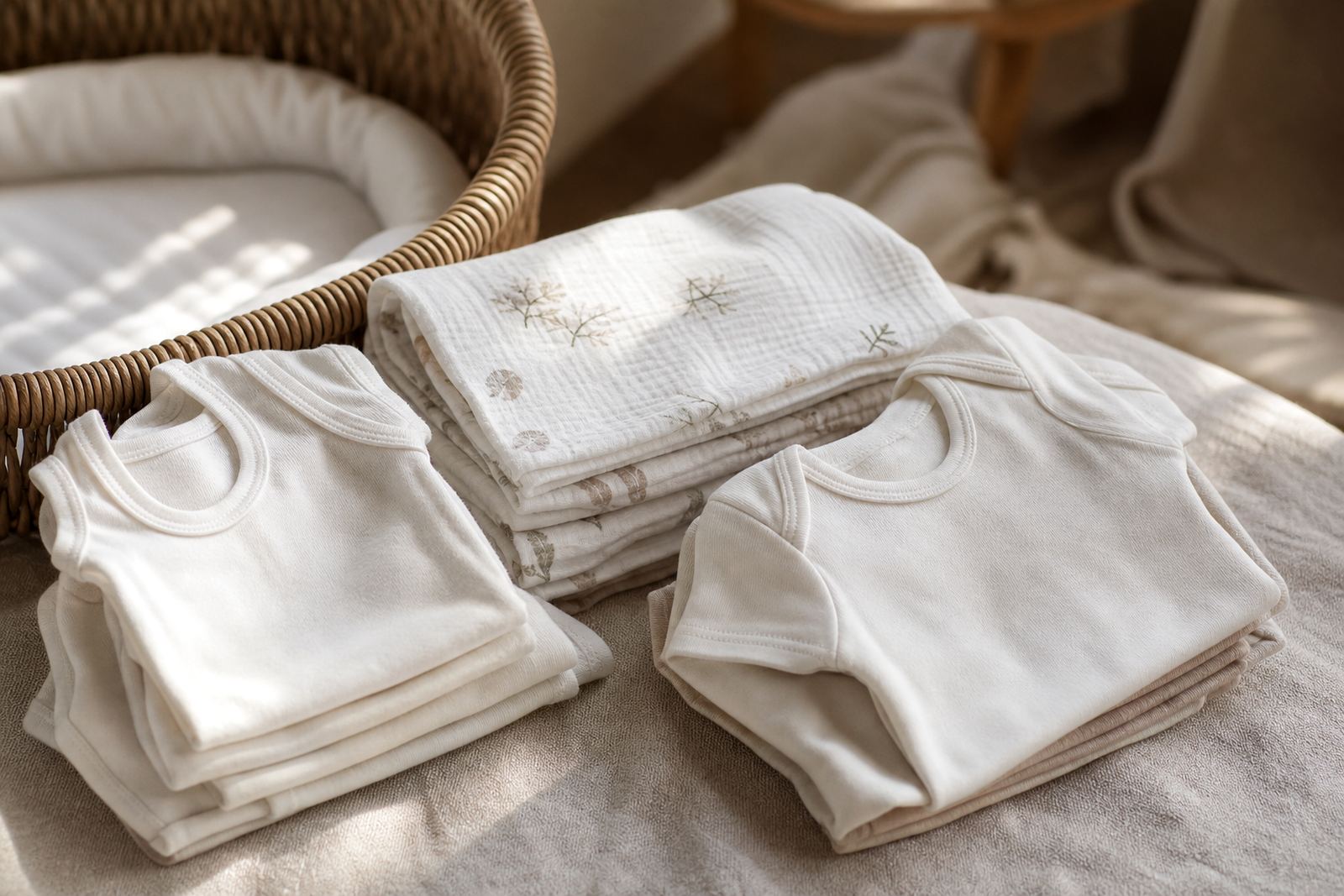
- Soft daywear in newborn and 0 to 3 months sizes
- Light wraps or receiving blankets
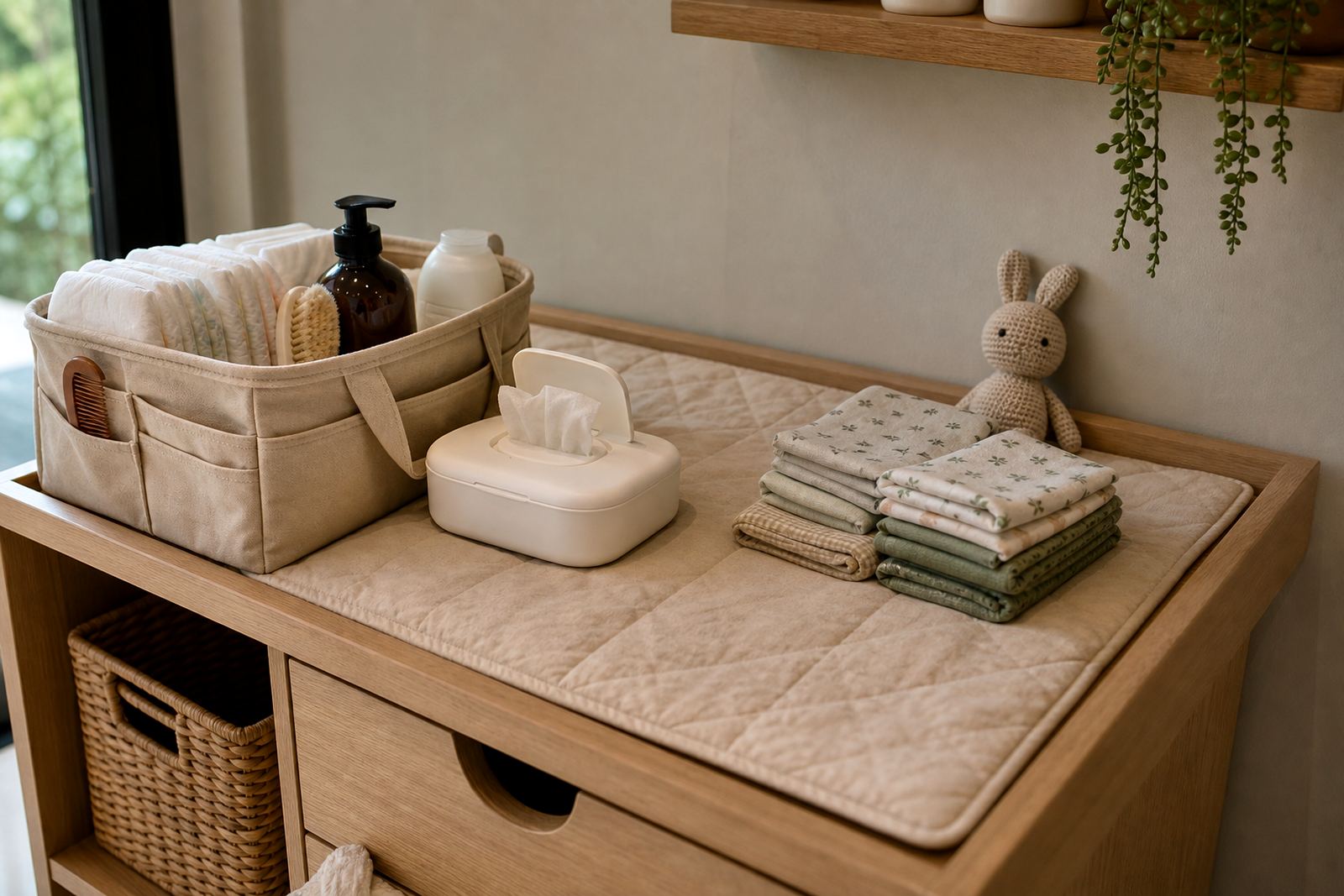
- Nappies, wipes and nappy bags
- Muslin cloths for spills and quick clean ups
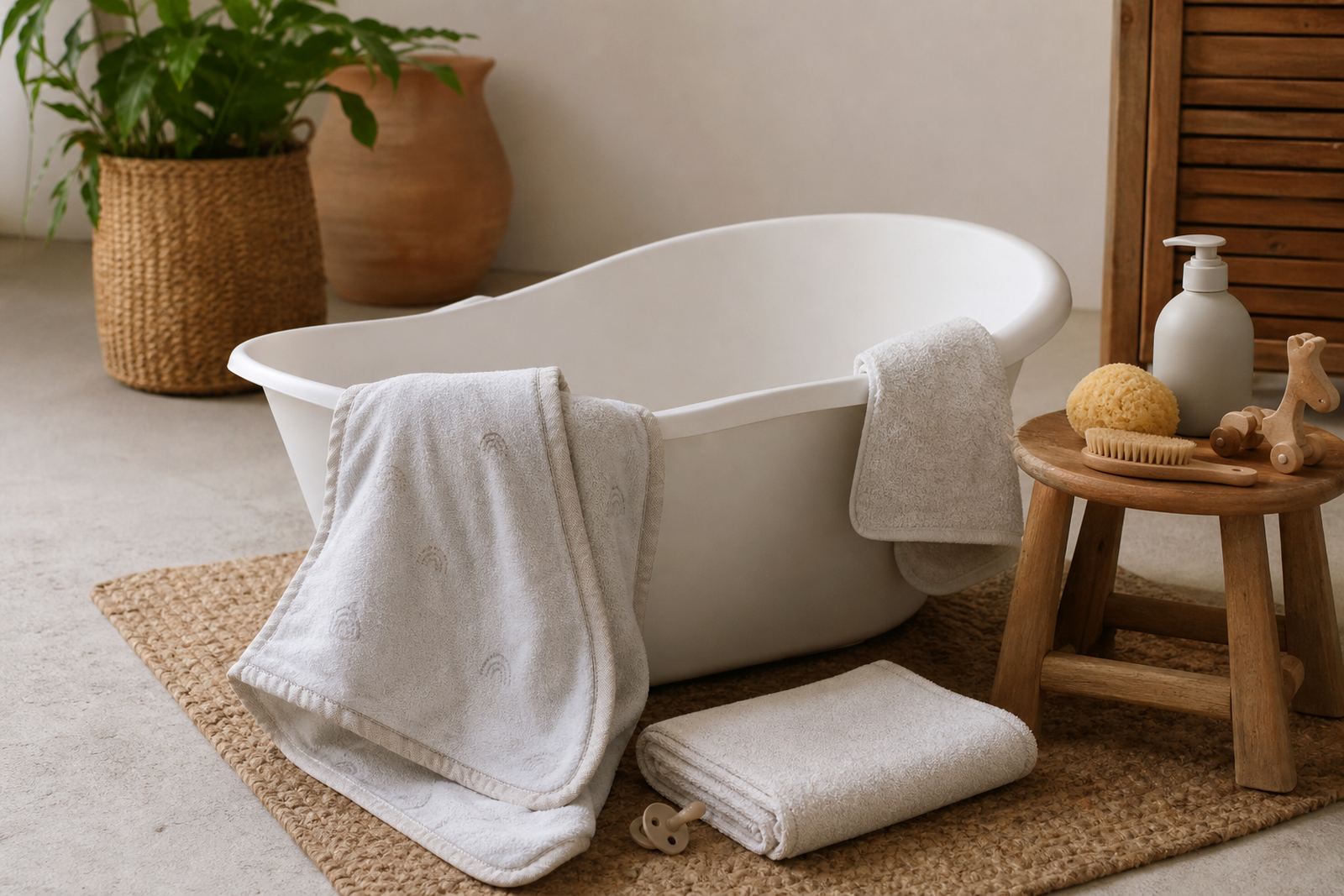
- Gentle baby towels and washcloths
A sensible starter set for the home
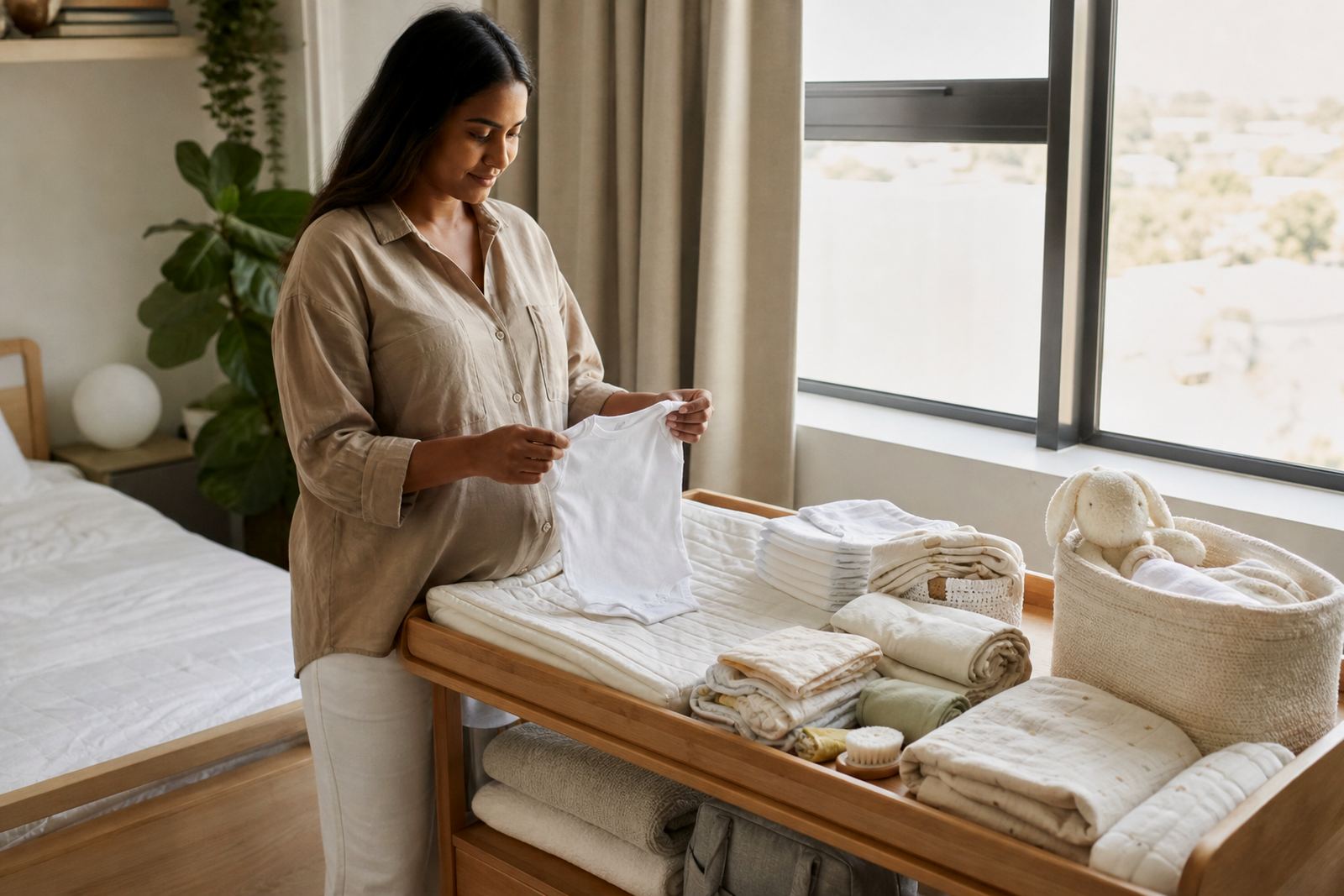
For most homes, a newborn starter set works best when it covers changing, dressing and comfort without filling every cupboard. Keep the most used pieces together in one basket or drawer near the main changing area. That way, when the baby is unsettled at 2am, you are not searching through the house for a clean vest or cloth. A small trolley or caddy can help in a flat, townhouse or a bigger family home.
A typical setup often includes a few bodysuits, sleepsuits, stretch wraps, bibs, mittens and beanies for cooler days. Add a waterproof changing layer, cotton blankets and a compact organiser for nappies and creams. In homes where load shedding is common, having the changing area organised before evening can save time when you are working in low light.
- 2 to 4 bodysuits
- 2 to 4 sleepsuits or onesies
- 2 wraps or blankets for layering
- 1 changing mat or washable cover
- 1 small basket or organiser for daily items
How to plan the nursery and changing spot
The nursery does not need to be elaborate to be useful. The main goal is to keep everything close, clean and easy to reach. A changing spot near a basin or bathroom often works well because it keeps messes contained and makes hand washing simple. In many KwaZulu-Natal homes, a window or ceiling fan can help with ventilation, especially during warm months when you do not want bedding or clothing to feel damp.
Think in zones rather than decorative themes. One zone for clean clothes, one for changing supplies and one for used items is usually enough. Labels can help if more than one adult is helping with care, and a spare basket for items waiting to be washed keeps the room tidier. If you are setting up in a small apartment, wall hooks and stackable storage can save floor space without making the room feel crowded.
- Place the changing area near water if possible
- Keep clean and used items separate
- Store nappies and wipes within arm’s reach
- Use light, breathable layers in warmer coastal homes
- Keep a spare set ready for sudden spills or leaks
Common mistakes families make in the newborn stage
One common mistake is buying too much in one size. Babies grow quickly, and some newborn sizes may only be worn for a short time. It is usually better to have a smaller, well chosen set and add more once you know the baby’s size and your own routine. Another mistake is choosing items that look nice but are awkward to wash or dry. In busy homes, practical fabrics often matter more than matching colours.
People also sometimes forget how often changing happens. If the changing basket is far from the cot or the lounge, daily care gets more tiring than it should be. It is worth avoiding loose blankets in the sleep space and keeping cords, cords of blinds and small loose pieces out of reach. For health questions, or anything about a baby’s feeding, sleep or skin, a clinic, midwife or doctor is the right place to ask.
Other things to watch include buying stiff waistbands, delicate trims that irritate skin and items that need special washing instructions. Those products may be fine for later, but in the first days simple is often better.
Gift ideas that work well for newborn visits
If you are buying for a baby shower, hospital visit or first home visit, a useful gift is often more appreciated than a large decorative one. New parents in Durban, Pietermaritzburg, Johannesburg and Cape Town usually value things they can use straight away. Gift sets are especially helpful when there are many visitors, because they save the family from receiving duplicate items.
Good gift choices can include clothing basics, wraps, washcloths, gift boxes and small bundles for changing time. Gift messages and gift wrapping help when you are sending directly to the family home, and registry help is useful if the parents have already listed what they need. For workplace baby gifts, a practical mix of items is often best because it suits different tastes and home setups.
- Newborn clothing bundles
- Wraps and soft blankets
- Changing essentials
- Gift vouchers for later needs
- Gift boxes for visits or deliveries
Budget ranges in Rand for the first month
Budgeting for newborn days can be straightforward when you separate must-haves from nice-to-haves. A basic starter purchase might cover clothing, wraps and changing essentials for a modest amount, while a fuller set with gift items or extra clothing will cost more. The range depends on how many pieces you need, whether you are buying for one baby or preparing a gift, and whether you are adding vouchers or gift wrapping.
As a rough guide, a small starter basket may begin in the low hundreds of Rand, a more complete newborn set can move into the middle range, and larger gift bundles or repeated top-up orders will sit higher. It helps to plan around the first 2 to 4 weeks at home, then add items once the family sees what is being used most often. This avoids overbuying and keeps the spending practical.
For many families, the best approach is to set aside one amount for day-to-day basics and another for gifts or extras. That way, you can keep the essentials close without stretching the budget too far.