
What on-the-go parenting usually looks like in real life
On-the-go parenting is not about carrying everything you own. It is about having the right few items packed so a clinic visit, shopping trip, family lunch or long road trip does not turn into a scramble in the car park. For many South African families, that means a compact system that can move from the nappy bag to the pram and then into the boot without needing to be repacked from scratch.
In Durban and Umhlanga, humidity and sudden rain can make lighter fabrics and easy-clean finishes especially useful. In Johannesburg and Pretoria, a good carry setup often needs to handle colder mornings, dry afternoons and traffic delays. The best items are the ones that stay organised whether you are walking into a mall, waiting at a doctor’s rooms or loading up for a day in Ballito or Pietermaritzburg.
- Keep one main bag for daily use and one smaller pouch for quick errand runs.
- Choose items that open wide enough to find things fast, especially with one hand.
- Look for wipe-clean linings and sturdy zips for repeated use.
A practical carry set for outings with babies and toddlers
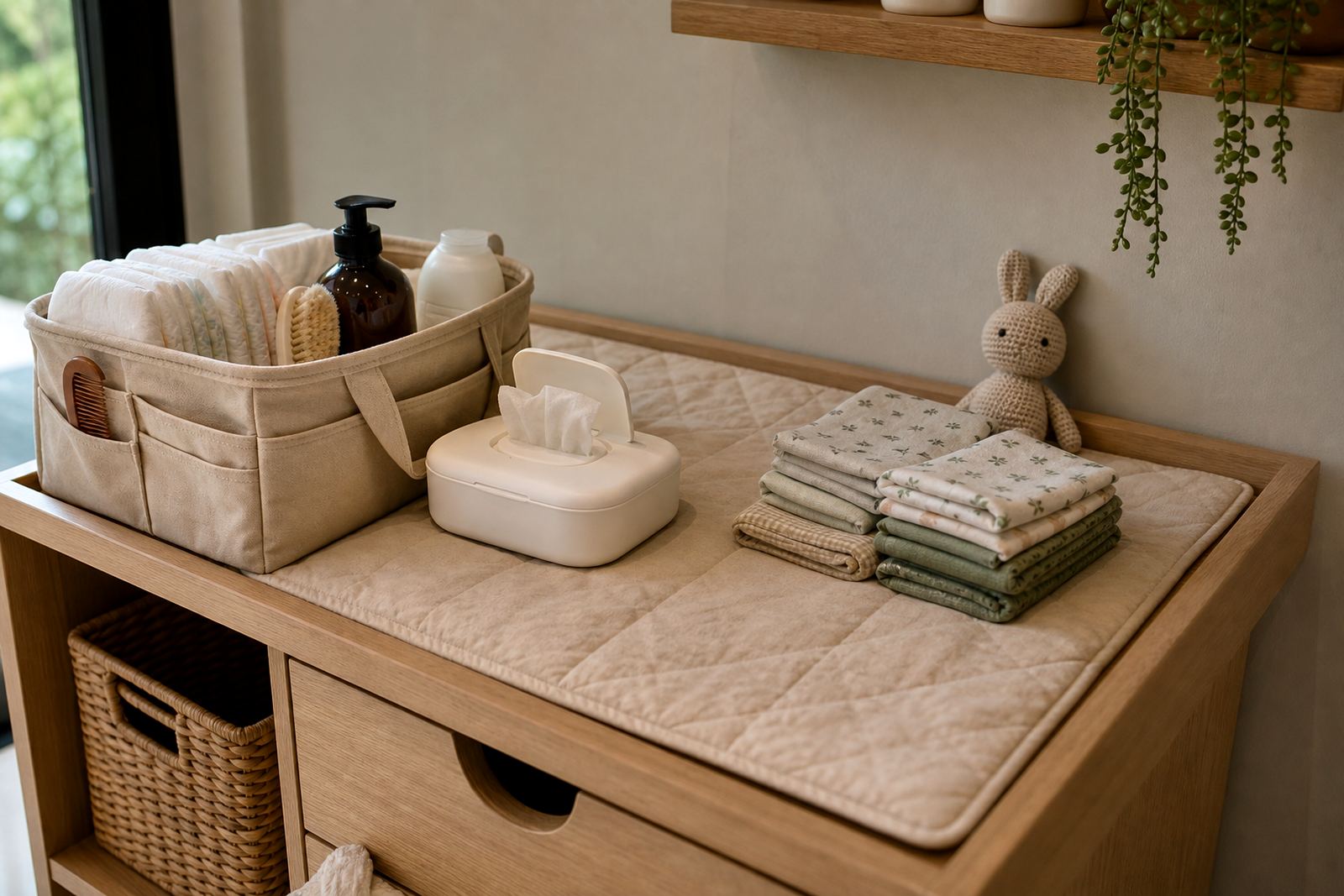
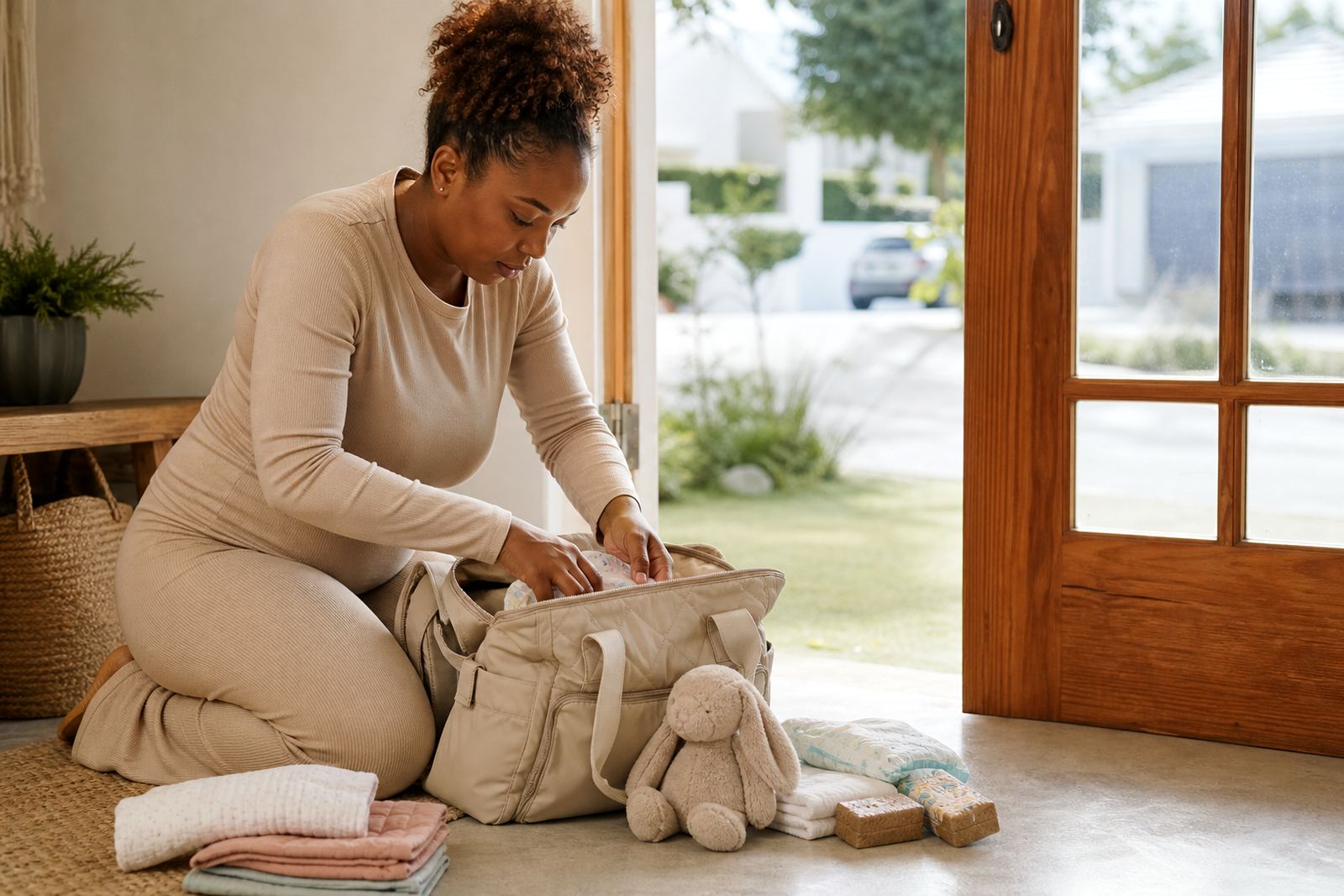
A typical on-the-go set usually includes a roomy bag, a few smaller organisers and a way to separate clean items from used ones. Many parents also prefer a changing mat, insulated bottle holder, wet item pouch and a lightweight blanket or shawl. The goal is to keep the bag simple enough to carry, but complete enough that you are not buying small emergency items every time you leave the house.
For newborns, the packing list is usually more compact but needs to be well arranged. For older babies and toddlers, there may be extra clothes, snacks, wipes and an item for comfort. If you are shopping for a baby shower gift or registry item, practical carry pieces are often appreciated because they get used often and fit into daily routines.
- Daily essentials: nappies, wipes, spare vest, nappy cream, burp cloths.
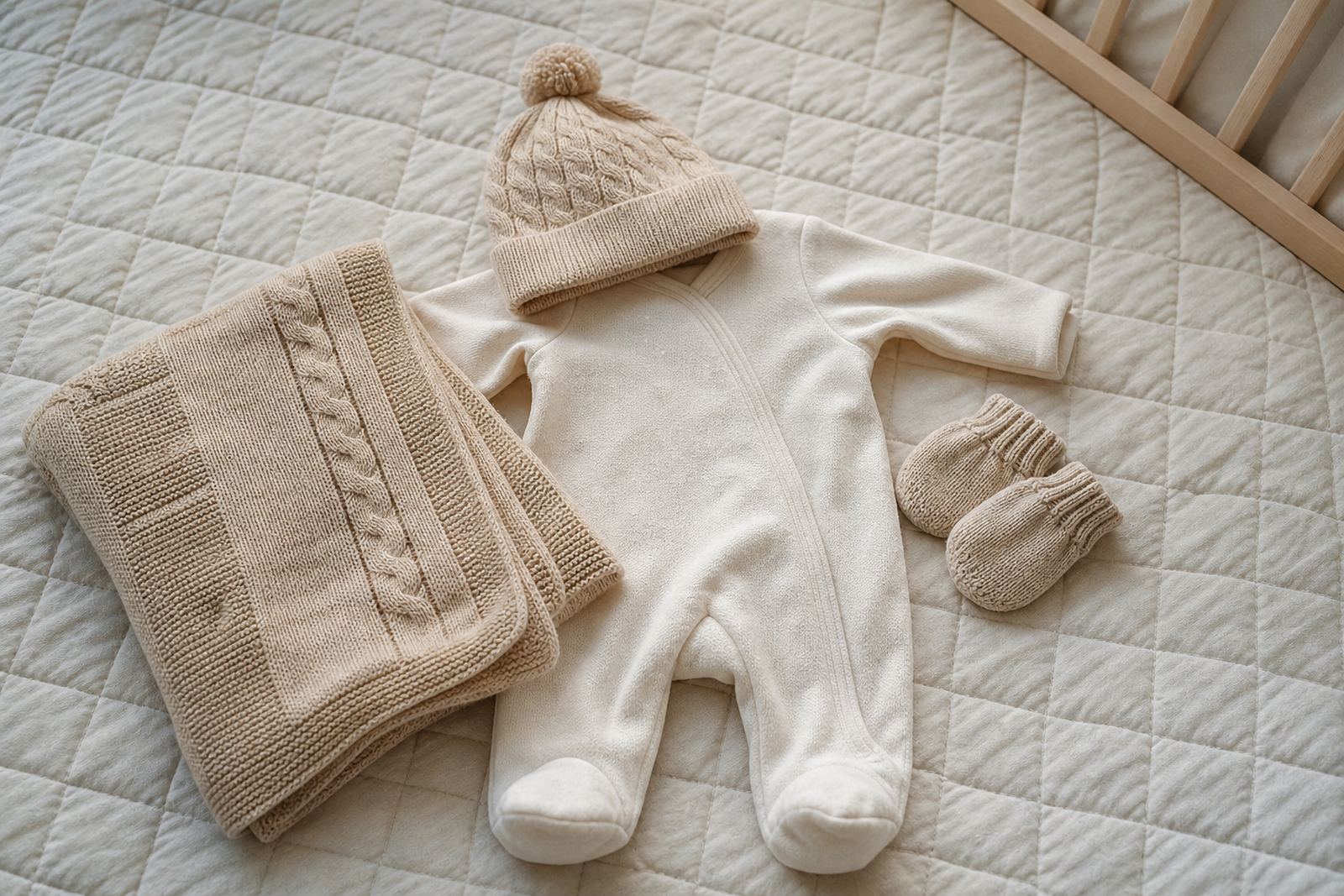
- Comfort items: a muslin cloth, small blanket and dummy if used.
- For longer outings: extra outfit, bibs, snack container and insulated bottle holder.
- Organisation extras: zip pouches, bottle sleeves, changing mat and a laundry or wet bag.
How to plan the layout so everything stays easy to find
A good layout saves time. Put the items you reach for most often near the top or in the outer pockets. Smaller items like wipes, tissues, a spare dummy and hand sanitiser can go into separate pouches so they do not disappear at the bottom of the bag. If you use a stroller, keep the items you need within the first hour of the outing where they can be reached without unpacking the whole bag.
It also helps to pack by activity. A doctor appointment may need more spare clothing and fewer snacks. A mall visit may need less bulk but more comfort items for the baby. A family braai or wedding might call for gift wrapping or a gift message if you are taking along a baby gift, and a backup change of clothes in case of spills.
- Use one pouch for hygiene items and another for clothing.
- Pack heavier items at the base so the bag does not tip over.
- Keep the most-used items in the same spots every time.
- Check that closures stay shut if the bag is packed into a car boot or stroller basket.
Common mistakes that make outings harder than they should be
One of the biggest mistakes is overpacking. A bag that is too full becomes difficult to carry, and you end up not finding what you need anyway. Another mistake is packing loose items with no separation, especially wet clothes, snack wrappers and small hygiene items. This can create mess quickly, particularly on longer drives between Durban, Gqeberha or Cape Town.
Some parents also forget to check the weather and the day plan. A breezy coastal day may need an extra layer, while a hot inland afternoon may call for more drinking breaks and less bulk. For health questions, always speak to a clinic, midwife or doctor rather than guessing from a product label. General safety matters too: keep small items out of reach of children, check straps before use and never leave babies unattended in a vehicle or stroller.
- Do not pack more than the bag can comfortably hold.
- Do not mix clean clothing with used items.
- Do not leave essential items in the car from one day to the next, heat and humidity can affect them.
- Do not rely on one emergency item for every outing.
Budget ranges for different parent routines in South Africa
Budget depends on how often you travel and how many children you are packing for. A basic setup for short local outings may include one organiser bag and a few small pouches, while a more complete setup for work trips, school runs and weekend travel may include several carry items and gift-ready extras. In practical terms, many families choose to start small and build their system over time.
As a guide, a simple daily outing set can sit around R250 to R600. A fuller travel-ready setup with several organisers, a changing mat and insulated pieces may run from about R700 to R1 500 or more depending on size and finish. If you are buying for a baby shower, registry or group gift, a gift bundle or voucher can be easier to share across friends or family members.
- Basic daily carry items: R250 to R600.
- Mid-range organiser set: R700 to R1 500.
- Gift bundles or mixed essentials: often chosen when several items are needed at once.
What works for Durban, Gauteng and coastal travel days
Local conditions matter more than many people expect. In Durban, Umhlanga and Ballito, moisture and sand can mean choosing items that wipe down easily and dry fast. In Johannesburg and Pretoria, the bag may spend more time in the car, so shape and easy access matter. In Cape Town, windy weather can make lightweight items more likely to blow about, so secure storage is useful. For Gqeberha and Pietermaritzburg, a balance between compact size and enough room for the day is usually the safest bet.
If you are planning a return to work, a family visit or a long road trip, think about the whole journey rather than just the destination. A good carry system should help with parking, waiting rooms, taxi stops and quick changes on the move. That is what makes outings feel manageable instead of rushed.
Maata supports that kind of everyday planning with practical baby and maternity products, plus options such as direct gift delivery, registry help, group gifting and last-minute gifts for families across South Africa.