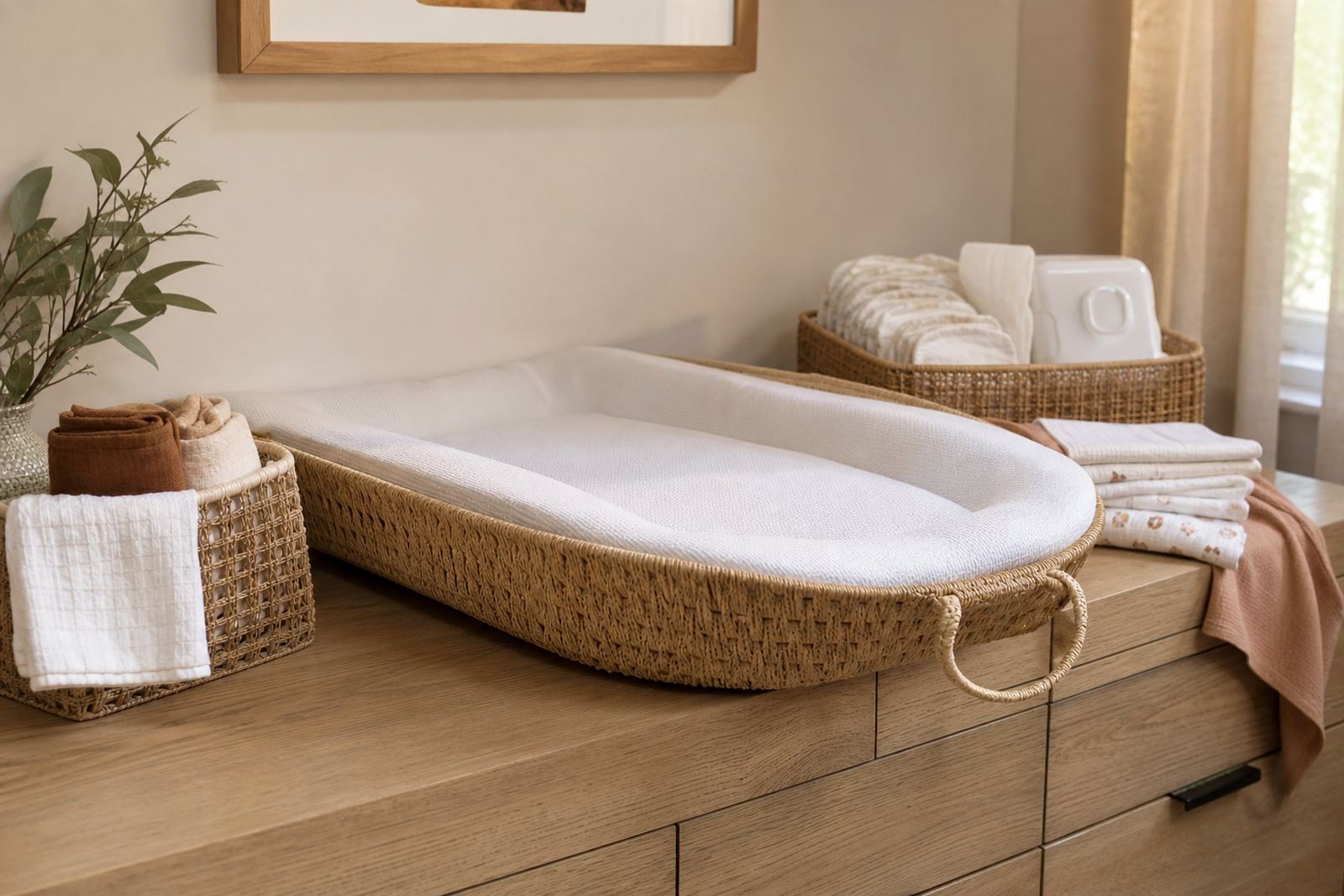
Start with a spot you can reach fast
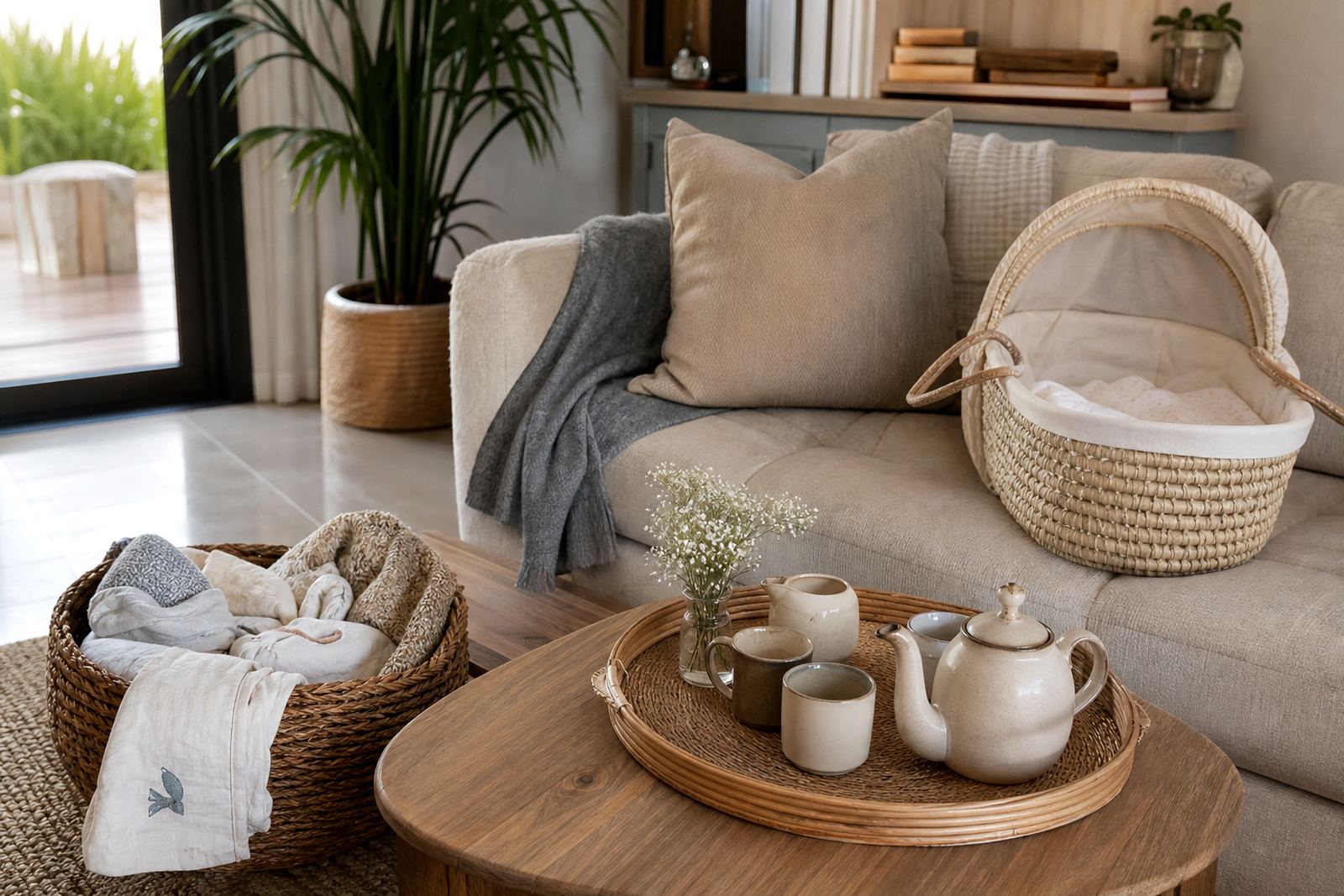
The best changing station is the one that fits your home and your routine. Many South African parents use a bedroom corner, a nursery cupboard top, or a sturdy chest-height surface in the living room for daytime changes. If you live near the coast, like in Durban or Ballito, choose a space that stays dry and easy to wipe down, because humidity can make fabrics feel damp if they are left out for too long.
Pick a place close to where you already spend time. A station near the cot, nursing chair, or main lounge means you are not rushing through the house with a wriggly baby in your arms. Keep the area clear of clutter and make sure there is enough room to move around safely. If the changing surface is high, check that it feels stable and that everything you need can be reached without stepping away.
- Choose a spot with good light for quick checks and clean changes.
- Keep the floor clear so you can move safely with one hand free.
- Store daily items within arm’s reach, not tucked in another room.
Group the everyday essentials together
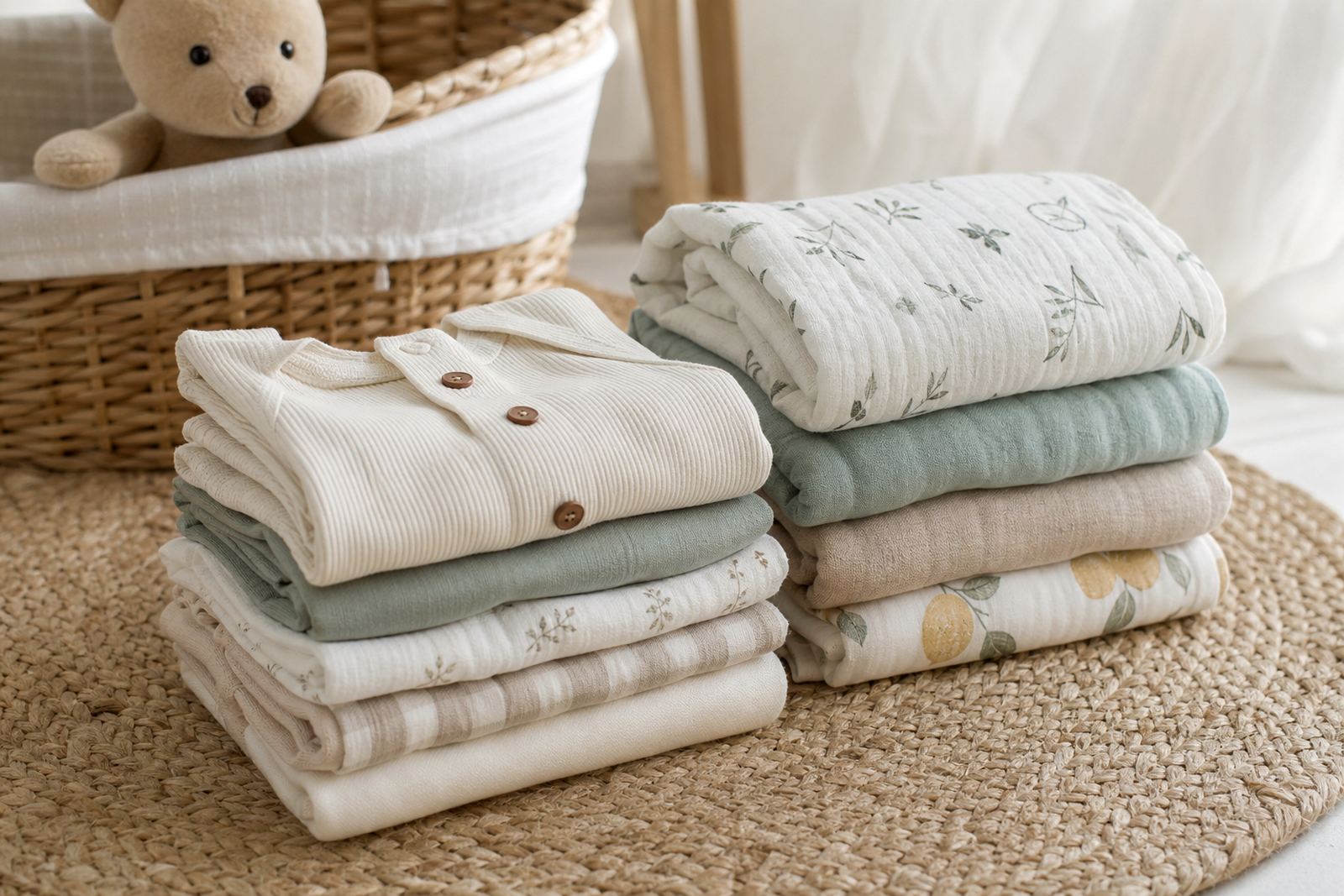
A changing station works best when the items used every day are grouped in one place. Nappies, wipes, cotton cloths, barrier cream, spare vests, and a small bag for dirty items should all be easy to find. If you use cloth nappies, keep the inserts, covers and wet bag together so you are not hunting for bits and pieces during a change.
A simple system usually works better than a complicated one. Use open baskets, small tubs, or drawer organisers to separate clean items from used ones. For many families, having one basket for nappies, one for wipes and cloths, and one for fresh outfits cuts down on mess. A labelled setup also helps grandparents, nannies, or visitors help out without needing a long explanation.
- One section for nappies or cloth nappy supplies.
- One section for wipes, cloths and cotton wool.
- One section for spare vest, babygrow and muslin cloths.
- One section for cream, sanitiser and small grooming items.
Make room for clean changes and quick clean-ups
Changes get easier when the station includes both the clean-up side and the re-stock side. Keep a small stack of cloths for spit-ups, wipes for hands and surfaces, and a spare waterproof changing pad cover if you use one. A washable mat or liner is useful for quick clean-ups after a messy nappy change, especially when load-shedding means you may not want to do extra laundry right away. It is just one of those things that helps when the day is already busy.
Some parents also keep a small lidded bin or a sealed bag holder nearby for nappies and soiled cloths. If your home is small, that one detail can make a big difference to smell control and tidiness. In a Durban townhouse or apartment, for example, a neat bin system can stop the whole room from feeling cramped. Keep any cleaning sprays or detergents out of reach of children and use only products that are safe for the surfaces in your home.
- Keep a spare changing mat cover or towel close by.
- Use a small bin or sealed bag for used nappies and cloths.
- Store cleaning items safely away from baby access.
Pack a backup for night changes and rushed mornings
A backup set saves time when the first one is already in use. Most families benefit from a smaller night-time caddy or tray with only the essentials, especially when a baby wakes often or when you are trying to keep the lights low. A second set of nappies, a cloth or two, wipes, and one spare outfit can be enough for the early hours. Keep it simple so you can grab it without waking everyone else.
Rushed mornings call for the same kind of thinking. If older siblings are getting ready for school or you are leaving for an appointment in Pretoria or Cape Town, a neat change kit means fewer delays at the door. Put the backup items in a carry basket or portable organiser so you can take them from the nursery to the car or to a grandparent’s house without repacking from scratch.
- Night kit: nappies, wipes, one cloth, one spare outfit.
- Day kit: nappies, changing mat, muslin cloth, small cream.
- Out-and-about kit: sealed wet bag, extra vest, and hand wipes.
Think about safety, comfort and easy access
A changing station should feel practical and calm. Keep small items away from the baby’s reach and never leave a baby unattended on a raised surface, even for a moment. If you step away, take the baby with you or keep one hand on them. That advice sounds obvious, but in a busy home it is easy to get distracted by the doorbell, a kettle, or a phone ringing.
Comfort matters too. A soft cloth, a well-fitting nappy, and a surface that is easy to clean can make the whole routine smoother. If your baby has skin concerns, a rash, or any feeding or sleep questions that come up while you are changing them, speak to a clinic, midwife, or doctor for proper advice. A changing station is for organisation and routine, not medical judgement. That part belongs with a professional.
For families in coastal areas, it also helps to check that fabrics are fully dry before you restock them. Damp cloths left in a closed box can smell quickly in humid weather, so airing them out now and then is worth the small effort.
A local setup that fits real South African homes
In Umhlanga, one family might keep a compact changing station in a spare room with a few baskets and a wall shelf. In Pietermaritzburg, another family may prefer a larger setup in the main bedroom with room for extra nappies, gift items and backup clothing. The right setup depends on the size of your home, how many caregivers are helping, and how often you need to move the station from room to room. There is no single correct version.
The strongest setups are the ones that stay tidy after a long day. If you can reset the station in under five minutes, it is probably working well. Restock nappies, fold fresh cloths, empty the used bag, and check that the items used most often are still in the front. Small habits like that make daily care easier, especially when power cuts, school runs and work meetings are all happening at once. A neat station does not need to be fancy, it just needs to be ready when you are.
For gifting, a practical changing station bundle can also be a useful present for new parents. Gift wrapping, gift messages and newborn gift boxes all fit naturally with this kind of everyday need, because useful items are often the ones that get used first.