
Start With a Clear, Easy-to-Wash Floor Area
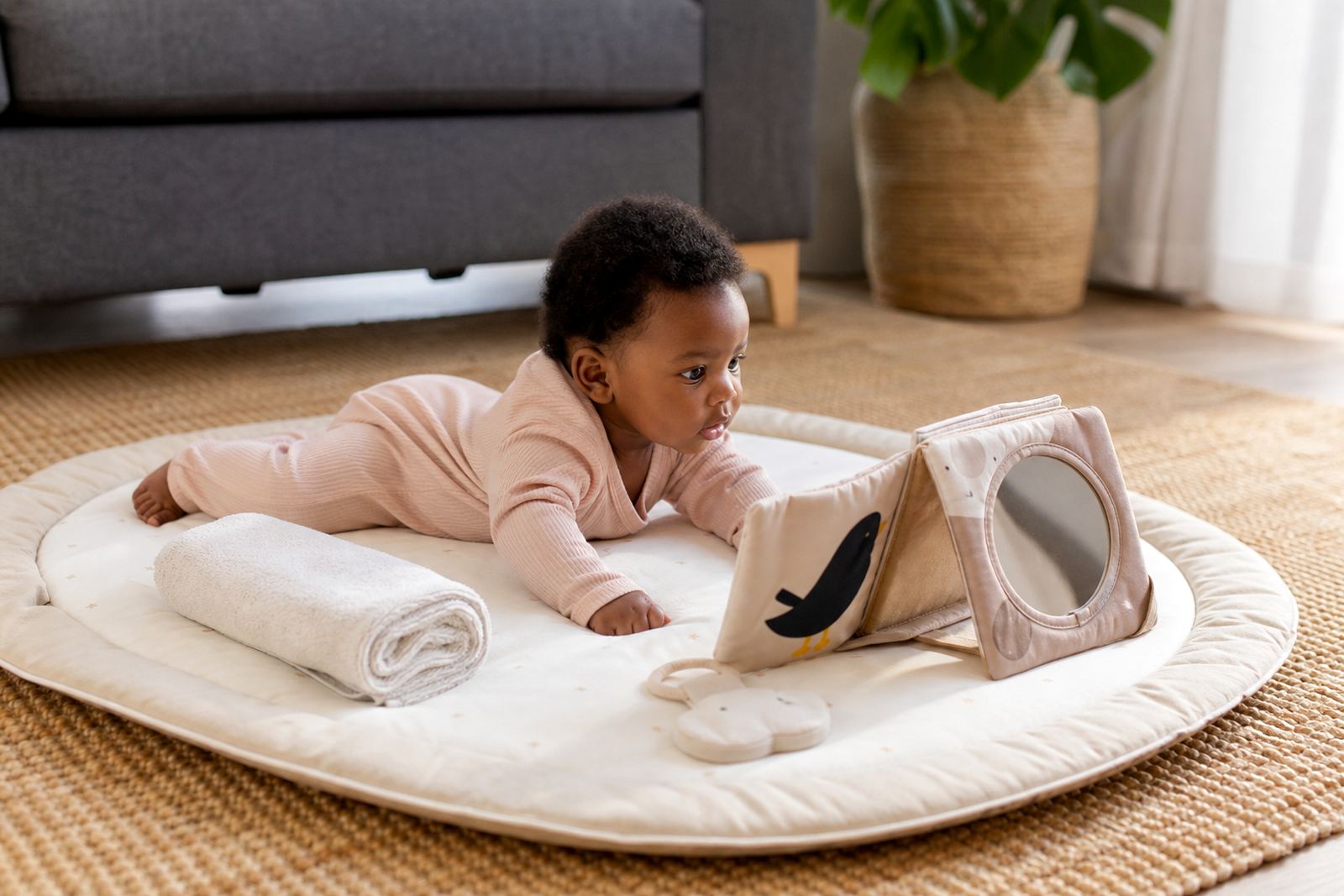
The best tummy time space begins with a firm, open area on the floor where baby can move freely under close supervision. A smooth mat, clean blanket or wipeable play surface is usually enough, as long as it is laid flat and kept free from crumbs, pet hair and loose items. In many South African homes, the practical choice is the lounge or a bedroom corner that stays out of the main traffic path, especially when older children and visitors are moving around.
It helps to keep the area simple. You do not need a pile of toys or lots of padding. A clear space makes it easier to watch baby’s head position, arms and breathing, and it also makes cleaning quicker after a spill or nappy change. If the floor is cold, a mat with a bit of cushioning can be useful, but it should still feel stable under baby’s chest and hands.
- Choose a level spot away from cords, heaters and table edges.
- Use one washable mat or blanket rather than several loose layers.
- Check the area before each session for small objects, socks or packaging.
Keep the Essentials Close Without Cluttering the Space
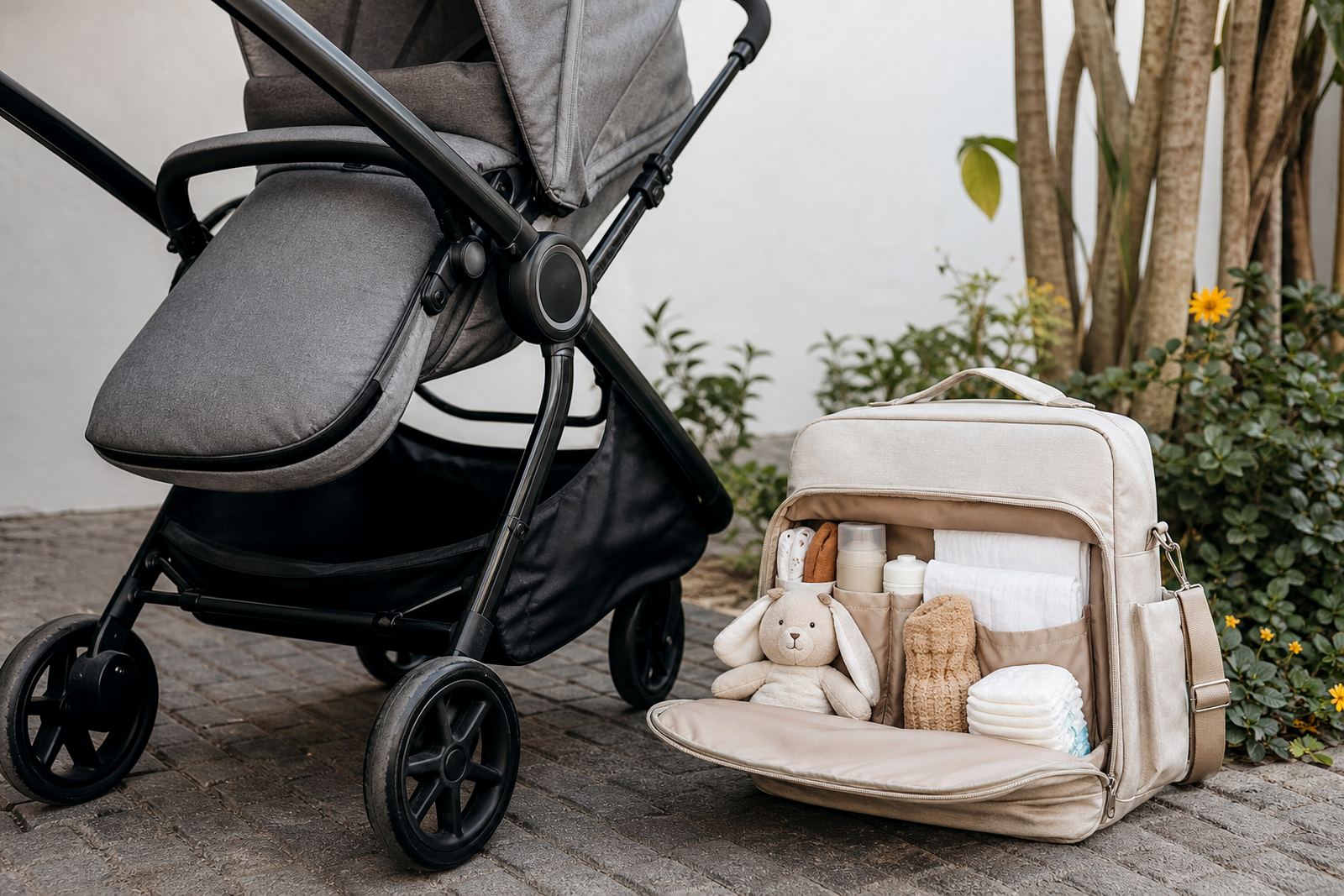
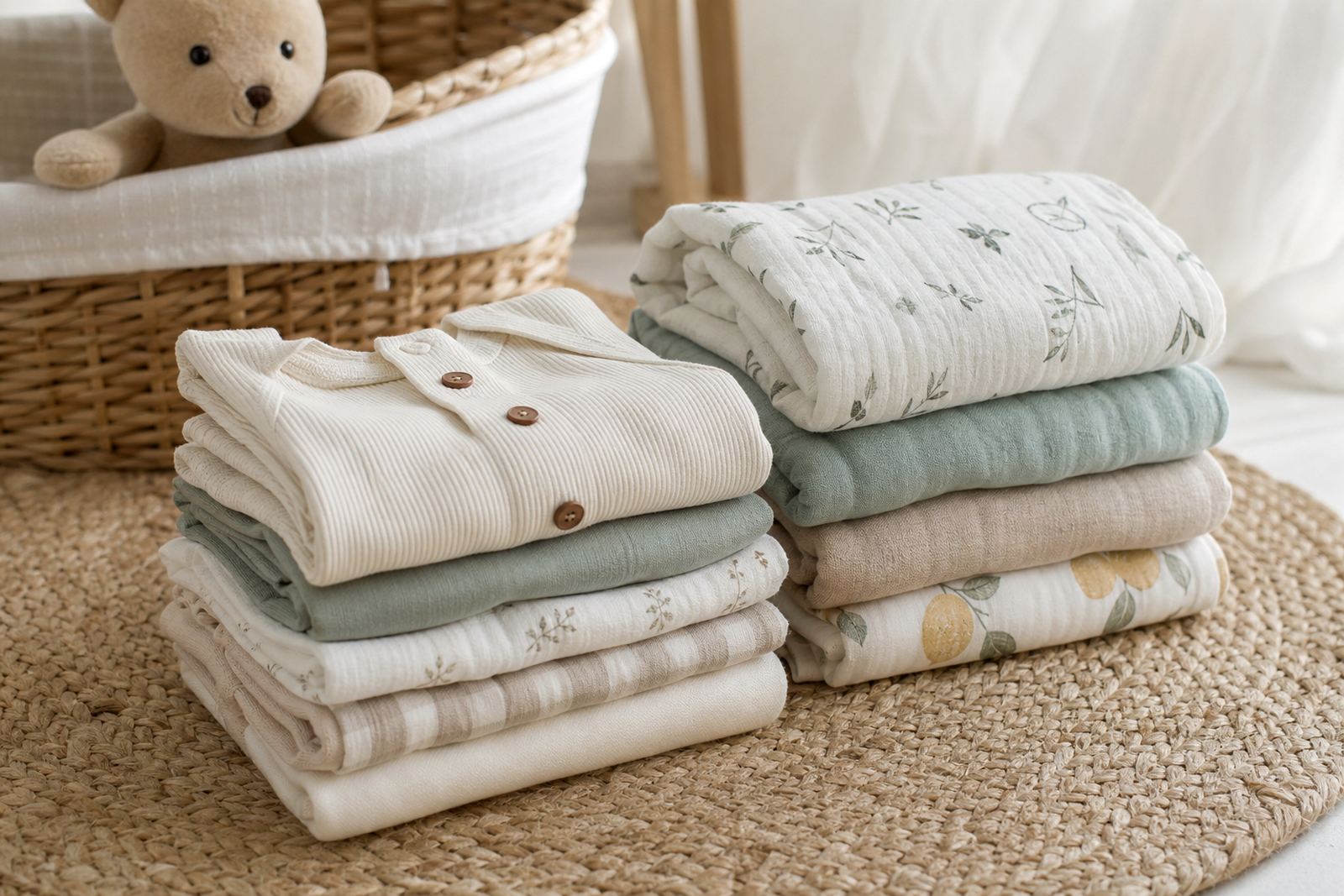
For tummy time, a small set of essentials is usually more useful than a crowded set-up. Parents often keep a burp cloth, a spare muslin, a soft cloth toy and a clean change of clothes within reach. That way, if baby spits up or gets restless, you are not leaving the room to fetch something. In humid coastal homes, having spare cloths nearby also helps because items can be washed and dried more often.
A tummy time basket or caddy can make life easier, especially in smaller apartments or when you want to move the whole setup from one room to another. It can hold a few lightweight items without taking over the floor space. Avoid anything that could cover baby’s face or roll into the way. Keep all loose strings, ribbons and plastic packaging well out of reach.
- One blanket or mat
- One or two soft toys
- Burp cloths or muslins
- Spare outfit and nappy supplies
- Wipeable storage basket for quick tidy-ups
What Makes the Space Comfortable for Baby and Parent
Comfort is about more than softness. Baby needs a clean surface that is warm enough, firm enough and large enough to stretch out safely. Parent comfort matters too, because tummy time works best when the grown-up can sit nearby on the floor and stay engaged. A cushion for your own knees or a low stool just outside baby’s reach can make longer sessions easier.
Some babies settle better when they can see a parent’s face at eye level. A mirror placed safely nearby, or a parent lying down opposite baby, can help make the session feel less intimidating. Keep the room bright but not harsh, and try to avoid strong airflow from a fan directly onto baby. During load-shedding, natural light near a window often helps keep the space calm without needing extra lamps or plugs.
If your home gets noisy, pick a quieter time of day. A more settled environment can help baby stay focused on lifting the head, moving the neck and pushing up on the forearms. If baby seems tired, hungry or unhappy, it is better to stop and try again later.
Simple Items That Support Tummy Time Without Overdoing It
The goal is to keep baby interested while still leaving plenty of open floor space. A high-contrast cloth book, a small unbreakable toy or a textured teether can be useful for reaching and tracking. These items should be light enough to move easily and large enough not to be a choking hazard. For younger babies, even a folded cloth with a bold pattern can be enough to encourage a bit of head turning.
Parents do not need to buy everything at once. Start with a few basics and see what baby responds to. In Durban, where many families live with a mix of heat, humidity and limited indoor space, practical items often get used more than decorative ones. Washable fabrics, quick-dry blankets and storage that tucks away easily tend to be the most helpful choices.
- Soft cloth books with bold patterns
- Lightweight rattles sized for young hands
- Washable teething items kept for supervised play only
- Small baby-safe mirror used under close supervision
How to Keep the Area Clean in a Coastal Home
In places like Umhlanga, Ballito and other coastal areas, humidity can make fabrics feel damp if they are left folded for too long. It helps to wash mats, muslins and covers regularly and dry them fully before putting them away. Wipeable surfaces are handy where the weather changes fast, because they are easier to keep fresh between uses.
If you have tiled floors, check that the mat does not slide. On polished surfaces, a non-slip base can make a difference. If the area is near an open door or balcony, keep an eye on dust and insects. It is also worth checking municipal or estate rules if you use a shared play area or common room, since some buildings have limits on items left in passageways or communal spaces.
For apartment living in Johannesburg or Cape Town, a folded play mat stored in a cupboard or under a bed can be a practical option. The key is to keep the same basic routine each time: clear the floor, lay out the mat, place one or two items within reach, and pack everything away after the session.
A Durban Family Example That Keeps It Simple
A typical weekday in Durban might look like this: baby wakes after a nap, the parent clears a spot in the lounge, lays down a clean mat and sits beside baby on the floor for a few minutes of supervised play. A muslin cloth and one small toy are enough. If the afternoon is warm and the windows are open, the parent makes sure there is no breeze blowing straight onto baby and no small items from older siblings nearby.
This kind of set-up is manageable in a townhouse, flat or freestanding home because it does not need a dedicated room. It can be packed away before supper, which matters when the same space is used for family life, work calls and school bags. The aim is not perfection, just a tidy, safe routine that can be repeated most days.
If you have any concerns about baby’s development, discomfort or general health, speak to a clinic, midwife or doctor. Tummy time should always be supervised, and baby should never be left alone on the floor.
A Few Practical Rules Worth Keeping in Mind
When setting up a tummy time space, the safest approach is usually the simplest one. Keep the surface clean, keep supplies nearby, and keep the session short enough that baby stays comfortable. If baby is getting fussy, pausing and trying again later is fine. The point is regular practice, not forcing a long stretch.
As baby grows stronger, the space can stay the same while the toys or positioning change a little. What matters most is that the area remains supervised, uncluttered and easy to reset. For busy South African parents, that kind of routine saves time and makes it easier to fit into the day.
- Always supervise baby during floor play.
- Keep cords, cushions and loose bedding away from the area.
- Wash fabrics often and dry them fully before storing.
- Use only age-appropriate items for supervised play.