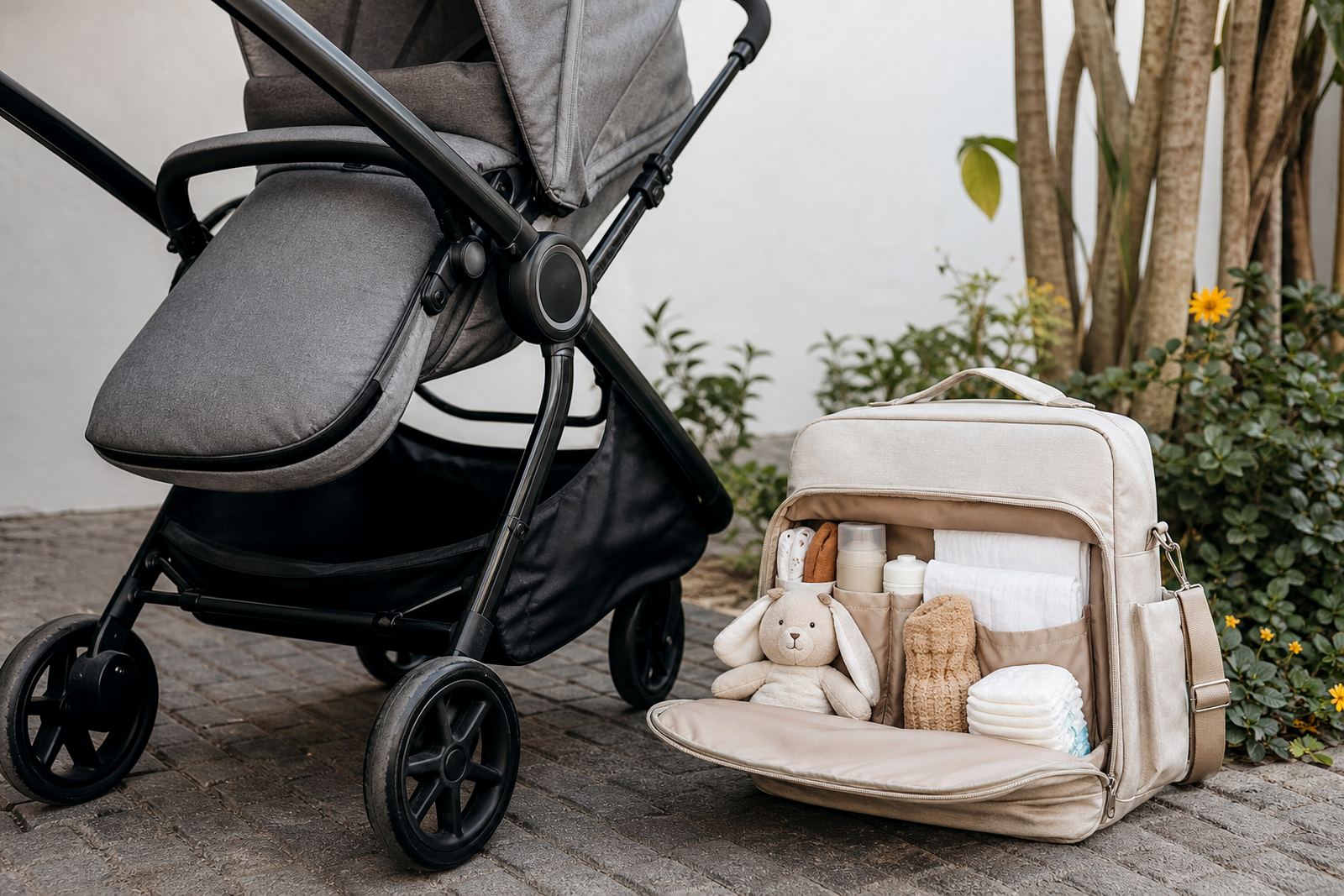
Start With the trip, Not the bag
The easiest way to travel lighter is to decide what the outing actually needs. A visit to family in Umhlanga is different from a full day in Johannesburg, and both are different again from a quick run to the paediatrician or clinic. When you choose items around the trip, not around fear, you avoid overpacking things that never leave the bag.
Think in blocks: one nappy change, one feed or snack, one change of clothes, one comfort item, and one backup for the unexpected. That simple approach keeps your nappy bag manageable in the car, in a stroller basket, or on your shoulder while you juggle a baby and a parking ticket in town.
Build a small kit that covers the basics
A useful baby travel kit does not need to be bulky. It just needs to cover the essentials cleanly and in a way that is easy to reach. In South Africa, where you may be dealing with traffic, heat, wind off the coast or a long wait at a family gathering, organised packing makes a real difference.
- 2 to 4 nappies for a short outing
- Wipes in a resealable pack or travel container
- One spare vest and one spare outfit
- A burp cloth or muslin cloth
- A small changing mat
- Plastic nappy bags for used items
- A dummy or comfort item if your baby already uses one
- A light blanket for shade or cool air-conditioning
Keep these items together in one pouch if possible. It saves time and means you are not digging around for wipes while your baby is getting restless in the car park.
Choose clothing that makes movement easier
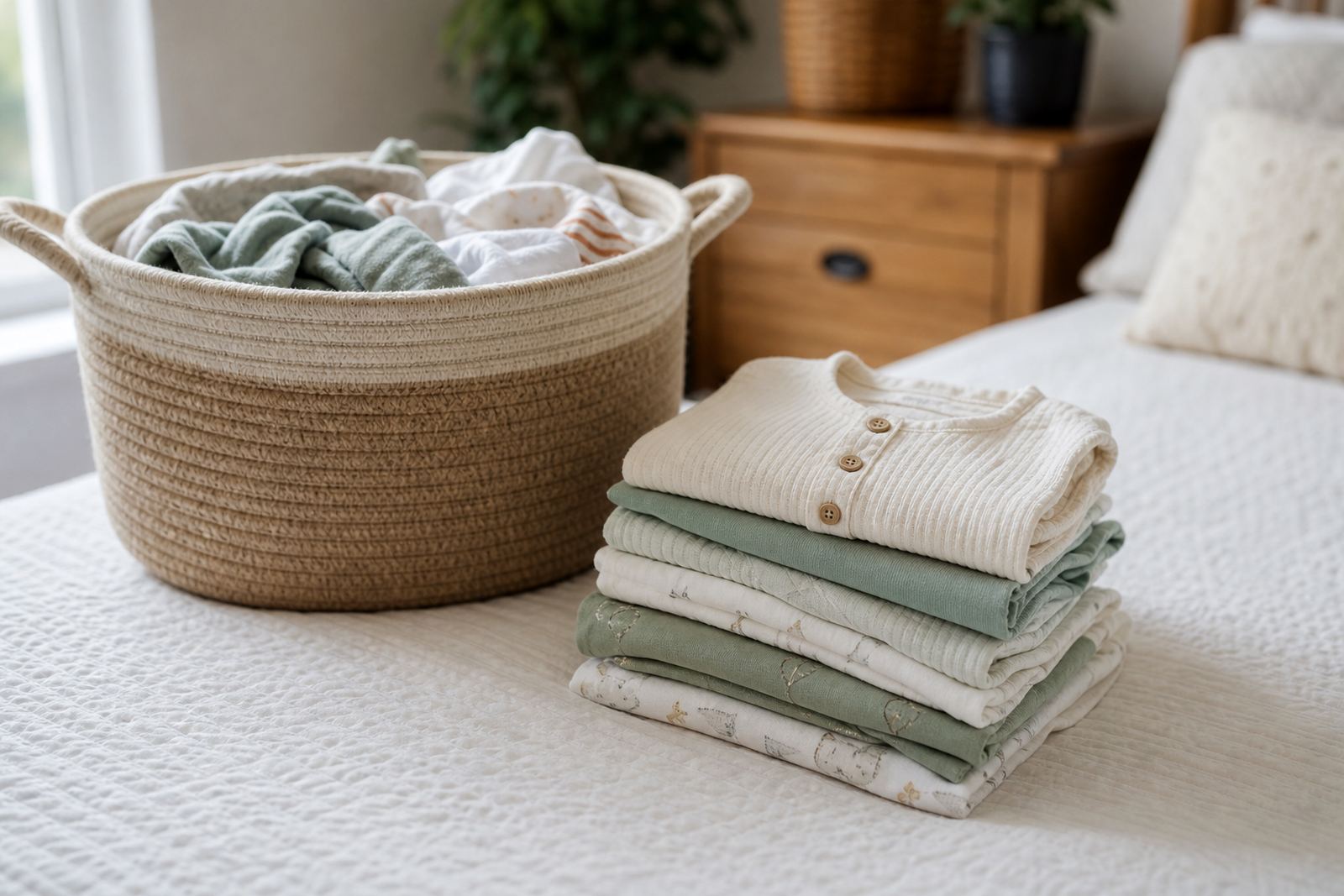
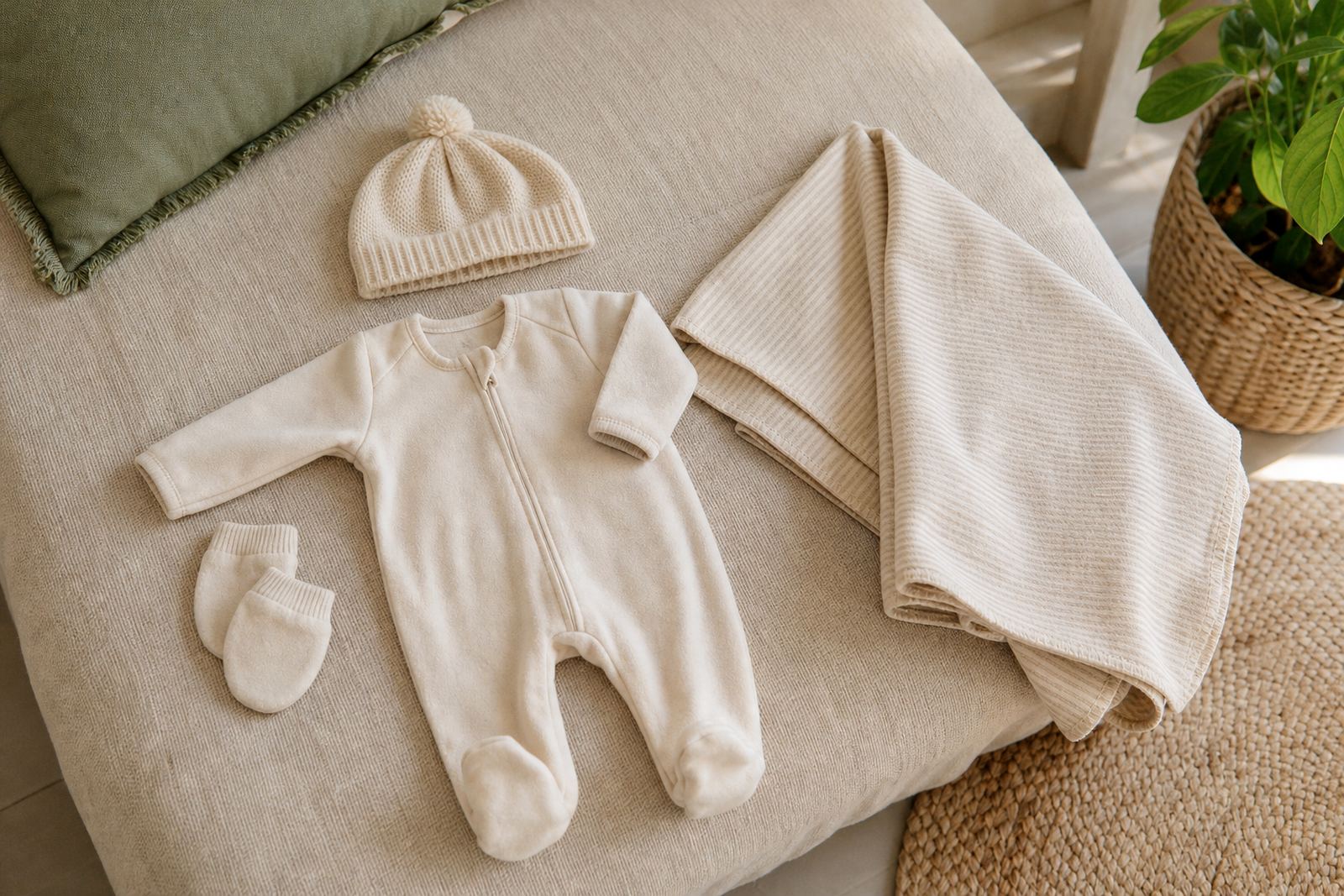
When babies are travelling, clothing should be practical before anything else. Soft fabrics, easy fastenings and layers that can be removed help when the weather changes between indoors and outdoors. In Durban, the humidity can make heavy fabrics uncomfortable, while winter mornings in Pretoria may need a warmer layer at the start of the day and lighter clothing by lunch time.
Look for outfits that are simple to put on and take off during a quick nappy change. If you are dressing a newborn, avoid anything with fiddly extras that slow you down. For longer outings, pack one backup layer in case of spills or dribbles. It is also worth keeping a sun hat in the bag for outdoor stops, though direct sun should still be avoided for small babies.
For safety, keep clothing comfortable and not too tight. If you have health questions about dressing a newborn, speak to a clinic, midwife or doctor.
Plan for the car, the airport or the pavement
Different journeys call for different packing habits. A drive from Durban to Pietermaritzburg may only need a compact bag and a cooler pouch for a bottle or expressed milk, while a flight or a long day in Cape Town may need a more organised setup with clearly separated items. The goal is not to carry everything, but to keep the right things easy to find when you are out and about.
A practical travel setup can include:
- A front pocket for wipes and nappy bags
- A separate section for clean clothing
- A smaller pouch for creams or lotions
- A spot for snacks or feeding items if needed
- A light blanket that folds flat
If you are using public transport or walking between stops, a lighter bag is kinder on your shoulders and easier to keep close. It also reduces the chance of leaving something behind in a taxi, mall or waiting room.
Make shorter outings feel calmer with a routine
Travelling with a baby goes better when the same small habits are repeated. Pack the bag the night before. Refill wipes after every outing. Replace used nappies and wash cloths as soon as you get home. These small steps sound simple, but they stop the bag from becoming a jumble of half-used items and forgotten extras.
Families often find that a standard routine helps when going to church, visiting relatives, or doing school runs with a baby in tow. In Durban, for example, a family might leave Umhlanga in the morning, stop in town for a quick errand, then head back before the traffic builds. A tidy bag means the day moves with less interruption and you are not repacking from scratch every time.
It is also a good habit to check the weather before you leave. Hot afternoons, coastal drizzle or a strong wind can change what you need quickly. Small planning goes a long way.
Choose baby items that work beyond one trip
When you buy baby and maternity items, it helps to choose pieces that can be used again in different situations. A muslin cloth can work as a burp cloth, light cover or emergency clean-up cloth. A roomy bag with good compartments can move from hospital visits to family outings. A soft changing mat can fit into a car boot or under a pram without taking much space.
Pregnancy and newborn periods already come with enough moving parts. Everyday items should make life easier, not add another layer of clutter. That is why many parents look for simple, easy-care products that can handle repeated use and regular washing. Coastal humidity, muddy shoes after rain and busy routines all make practical materials more valuable than fancy extras.
A simple checklist for the last five minutes before you leave
A quick final check often prevents the most common travel stress. Before you head out, look at the bag once more and make sure you can reach the items you may need first. If you are leaving for a doctor visit, a family lunch or a last-minute school pick-up, those few minutes can save a lot of frustration later.
- Nappies packed and easy to reach
- Wipes and nappy bags in the outer pocket
- Spare outfit folded neatly
- Milk, snacks or feeding items packed if needed
- Blanket or cover clipped or folded into place
- Keys, wallet and phone where they will not get buried
Once this becomes a habit, travel feels lighter. You are still prepared, but you are not carrying half the nursery with you. That balance is what makes a short trip manageable.