
Start with a small, steady wash system
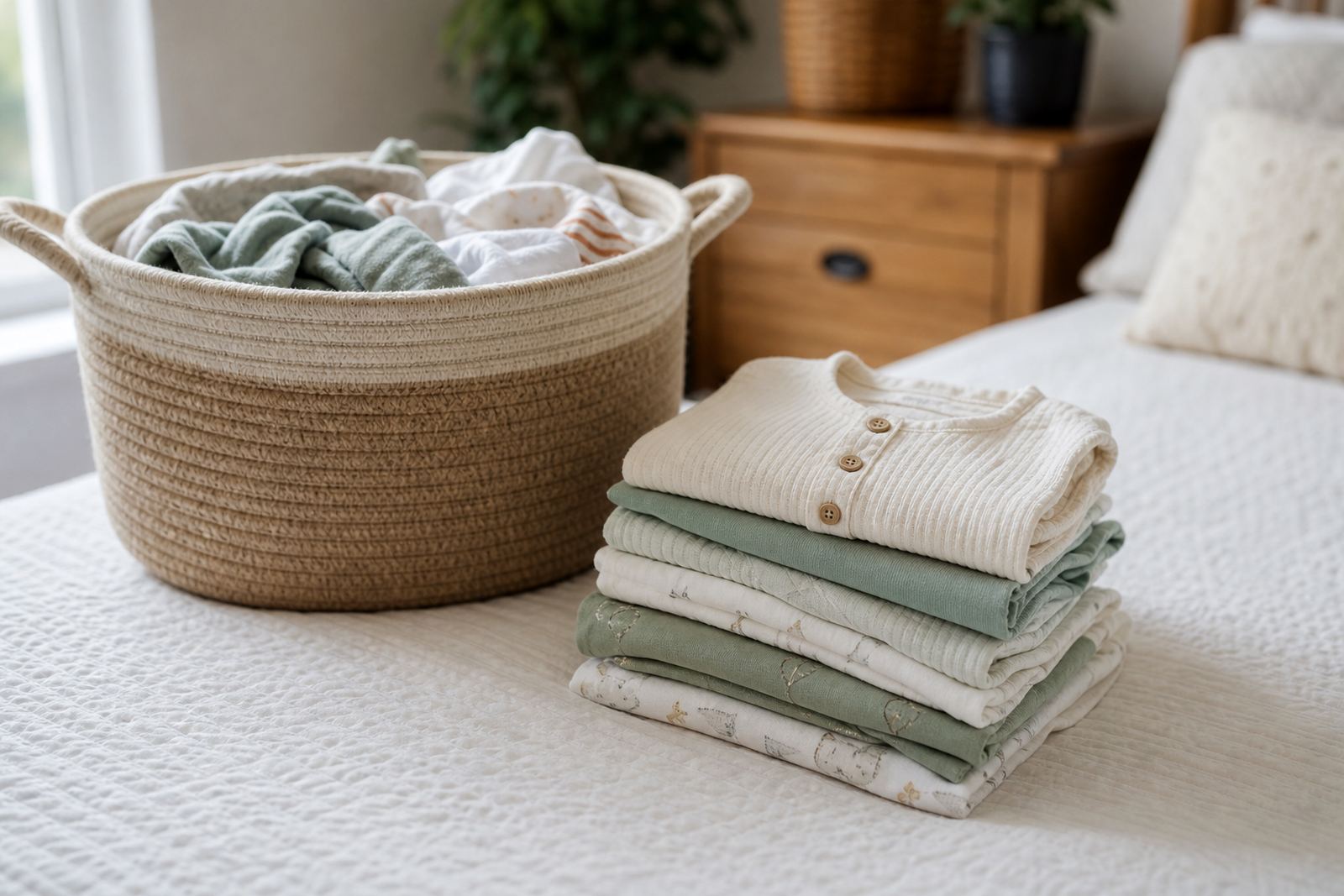
Most families find it easier to wash baby items often in smaller loads rather than letting them pile up. That usually means a separate basket for babygrows, vests, burp cloths, blankets and linen so nothing gets mixed with heavier family washing.
In a Durban home, especially near the coast, damp air can leave washing sitting around for too long. A practical routine is to sort items by colour and fabric weight, then do one baby load every day or two. It keeps clothing fresher and helps avoid the rush of a mountain of tiny socks on a Sunday evening.
- Keep one basket just for baby washing.
- Separate light items from heavier blankets and towels.
- Wash small loads before stains set too deeply.
Choose gentle washing habits that suit newborn fabric
Newborn clothing is often soft, light and small, so it needs care that protects the fibres. A mild, fragrance free detergent is usually the easiest option for many families, along with a proper rinse cycle so there is less residue left behind.
It also helps to read the care label on each garment before washing. Some outfits can handle a normal machine cycle, while others do better in a cooler wash or inside a mesh bag. If a baby has sensitive skin or any rash concerns, speak to a clinic, midwife or doctor for guidance instead of changing products over and over.
- Use the wash setting recommended on the care label.
- Avoid strong softeners on tiny garments and linen.
- Check seams, poppers and trims before and after washing.
Handle spit-up, milk marks and nappie leaks early
Baby washing often starts with a quick pre-treat, because fresh marks are much easier to lift than old ones. A gentle soak in cool water can help with everyday stains, then the item can go into the main wash as usual.
For families in Johannesburg or Pretoria, where mornings can be crisp but afternoons are warmer, it helps to get wet items washed and hung early. That reduces any stale smell and keeps the laundry cycle moving. A small basin near the changing area can be useful for rinsing cloths immediately after use, rather than waiting until evening when everybody is tired.
- Rinse soiled items as soon as possible.
- Keep a stain treatment routine that is easy to repeat.
- Wash reusable cloths and bedding separately from outerwear if needed.
Make drying part of the plan, not an afterthought
Drying is just as important as washing, especially in coastal towns where humidity can slow things down. In places like Umhlanga, Ballito and Gqeberha, families often need a backup drying space indoors for rainy days or muggy weather.
A foldable drying rack, a sunny balcony and a clean indoor line can make a big difference. During load-shedding, it helps to wash at a time when there is enough daylight left for drying. Baby linen should be fully dry before storage, because even a slight damp patch can lead to musty smells or mildew.
- Hang small items apart so air can move through them.
- Turn thicker blankets over halfway through drying.
- Store only when all seams and folds are properly dry.
Sort by size so hand-me-downs stay in good shape
Many families keep newborn pieces for a second child, or pass them along to a cousin or friend. That works best when washing is done with storage in mind. Fasten poppers, close zips and turn printed garments inside out so they do not rub too hard in the machine.
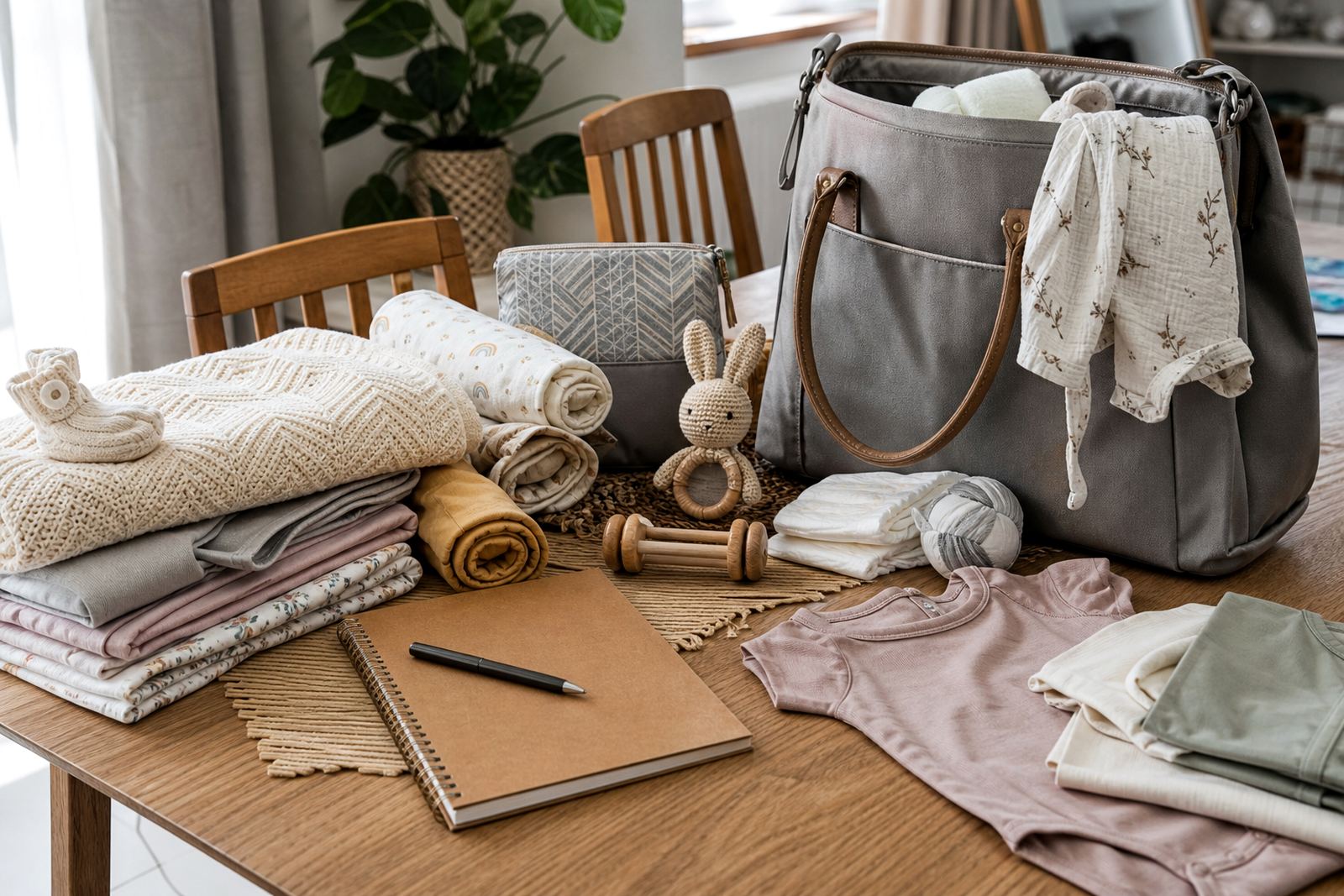
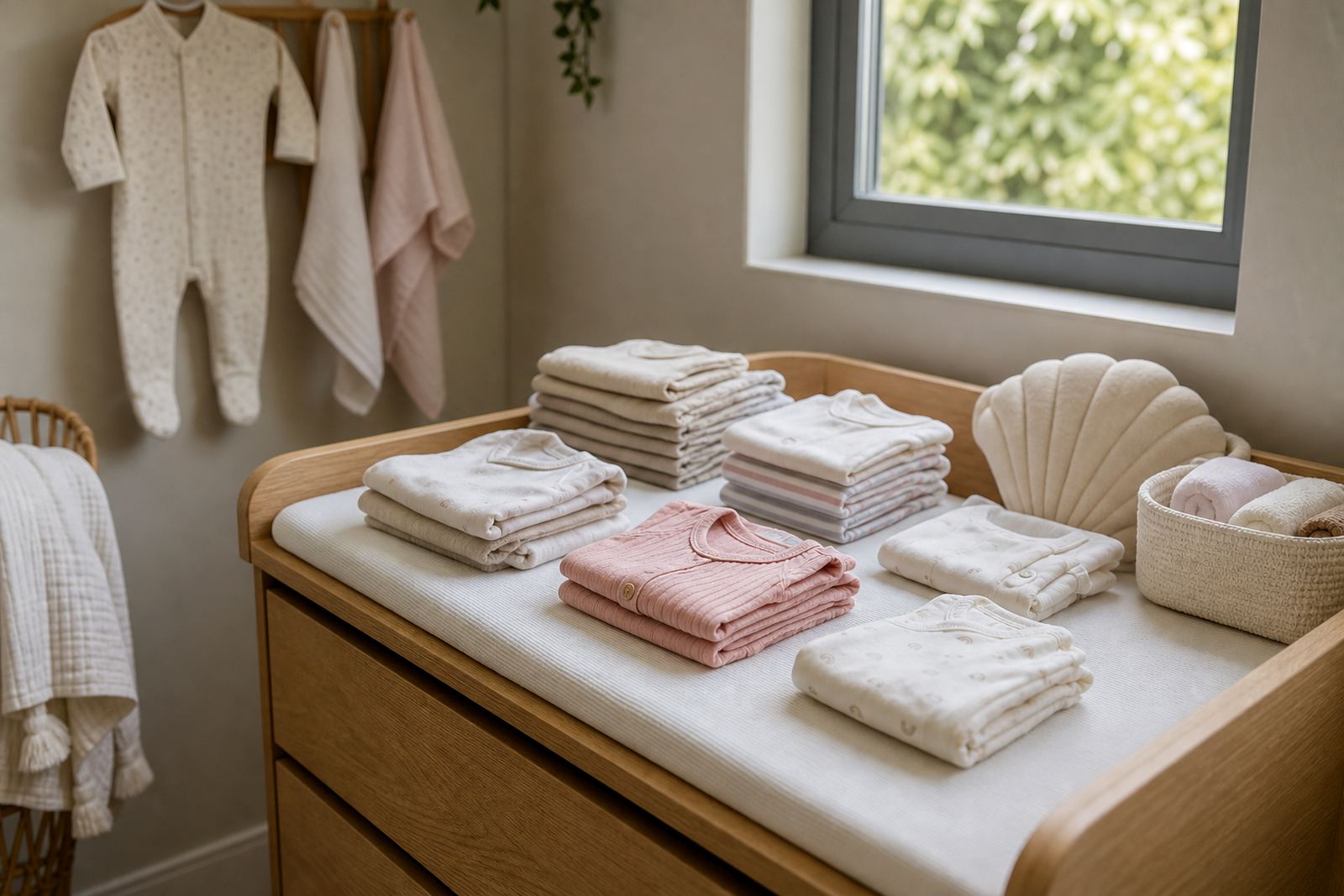
After drying, sort clothing by size and use, then store it in labelled containers or breathable bags. Keep everyday items separate from special pieces such as coming-home outfits, keepsake blankets and gift items. It saves time later and makes it easier to pack a hospital bag if you are expecting again.
- Fasten all closures before washing.
- Fold by size, not just by type.
- Keep keepsake items away from heavy daily use laundry.
Use a simple rhythm for gifts, linen and last-minute changes
Newborn laundry often includes more than clothes. Families also wash muslins, bibs, fitted sheets, cot blankets and gift items that have been used during visits. A weekly rhythm helps: one day for washing, one for drying, one for folding and restocking drawers. It sounds basic, but that regularity is what keeps things manageable.
For families who receive baby shower gifts, gift boxes or group gifting items, it can help to wash everything before first use and then keep a reserve set ready for emergencies. That way, if there is a late-night spill or a surprise visitor with a gift, there is always something clean at hand. Small systems matter when the baby is still settling into life at home, and so are parents.
- Wash new baby items before first use.
- Keep one clean spare set in each size.
- Use a weekly reset so drawers do not run out of basics.