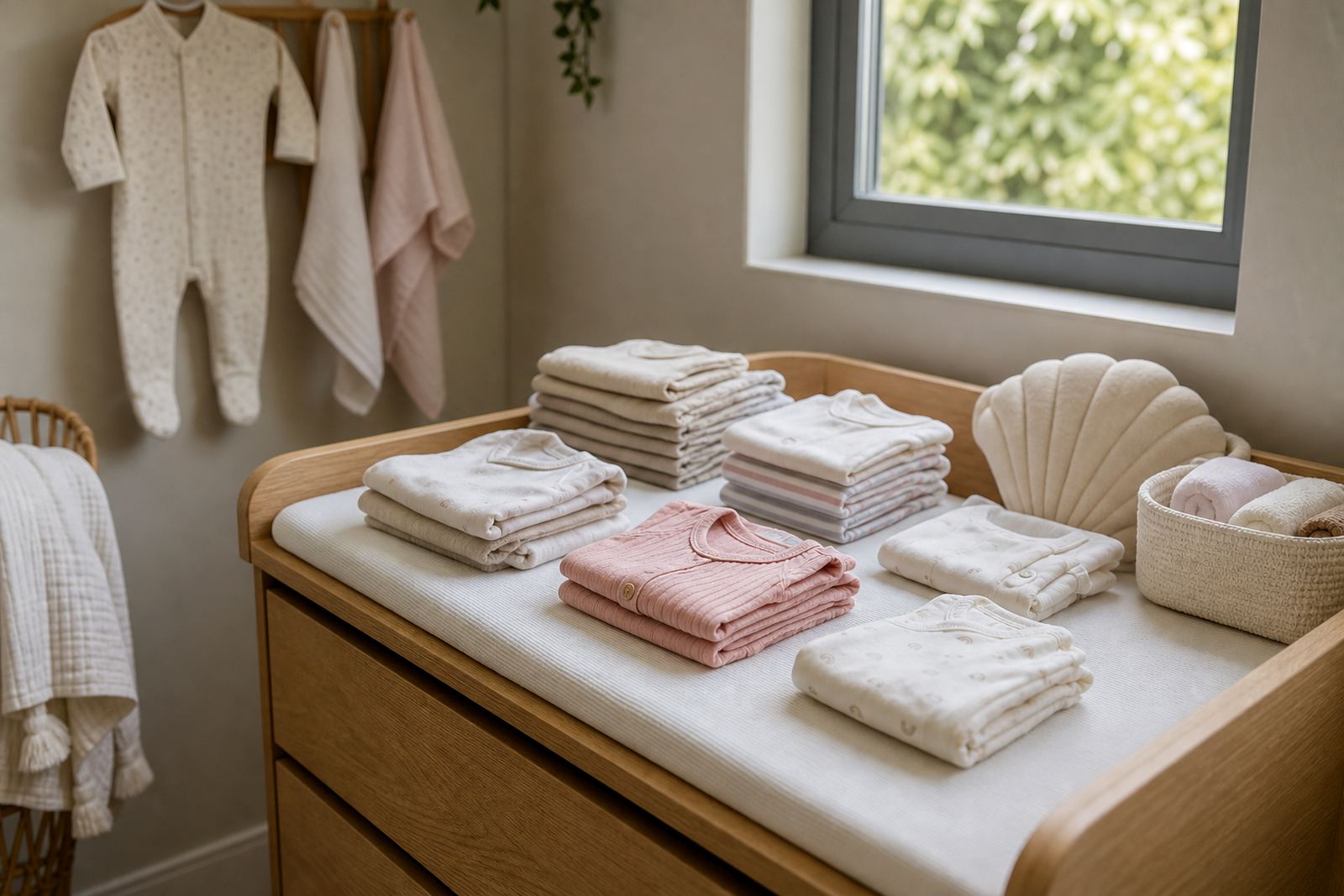
Start with fabrics that feel gentle on new skin
When a baby is very small, clothing should feel soft, breathable and easy to wash often. Cotton is a common starting point because it is light, comfortable and usually gentle for everyday wear. In Durban’s humid weather, lighter fabrics help baby stay comfortable during the day, while in cooler places like Johannesburg or Pretoria a soft layer can be added without making the outfit bulky.
Look for clothes that are simple to care for and dry quickly after washing. New parents end up doing a lot of laundry, so the best items are often the ones that can handle frequent washing and still keep their shape. Avoid anything with scratchy seams, hard trims or stiff labels that may rub against sensitive skin.
- Choose soft, breathable fabrics for daily wear
- Check seams, labels and trims before buying
- Pick items that wash well and dry fairly quickly
- Keep one warmer layer ready for cool mornings or air-conditioned rooms
Keep the first wardrobe small, simple and practical
A newborn does not need a large wardrobe. Most parents use a small set of basics on repeat, then add more only after they see what works best for their baby and routine. A neat starter set also makes packing for clinic visits, family outings and overnight stays much easier.
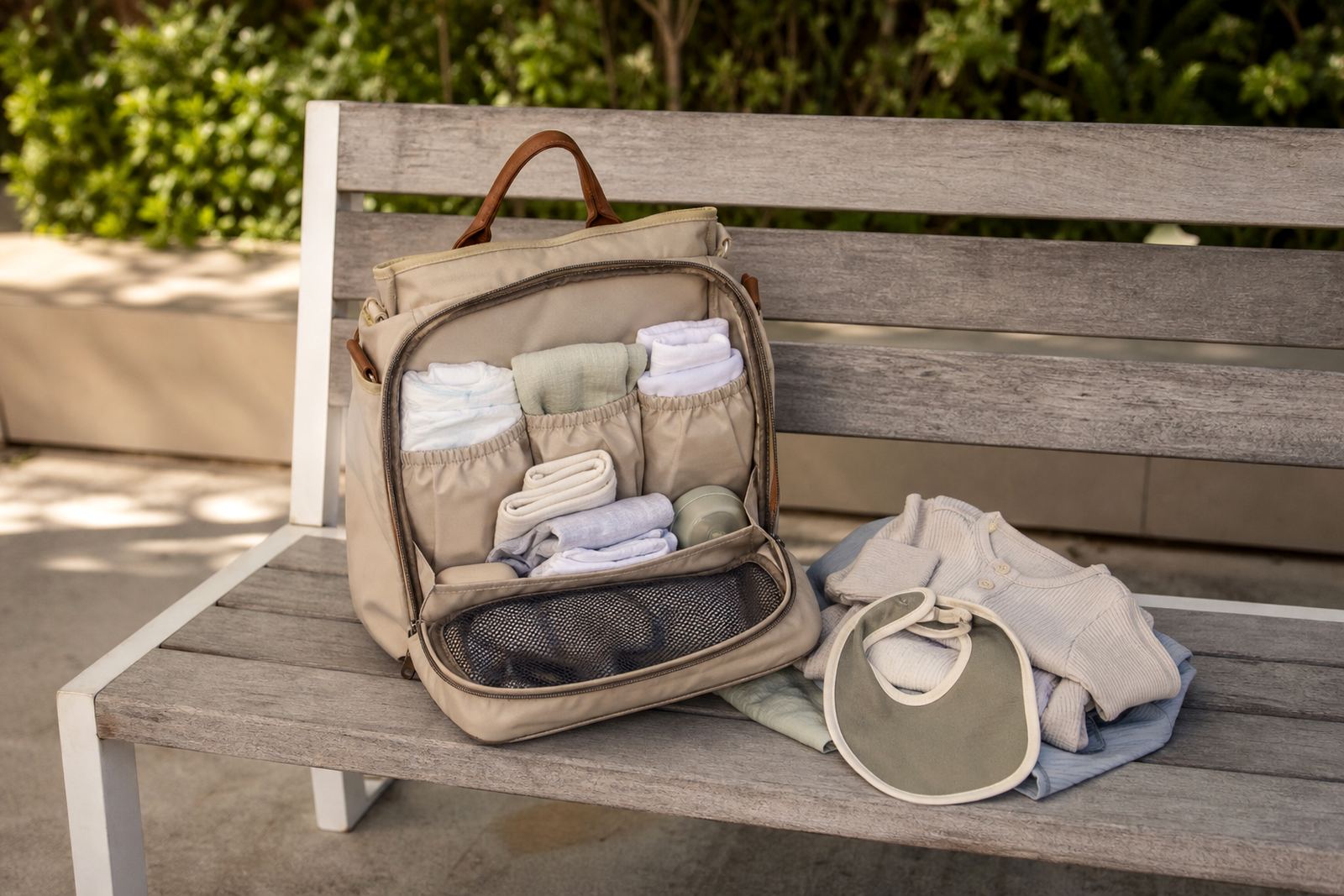
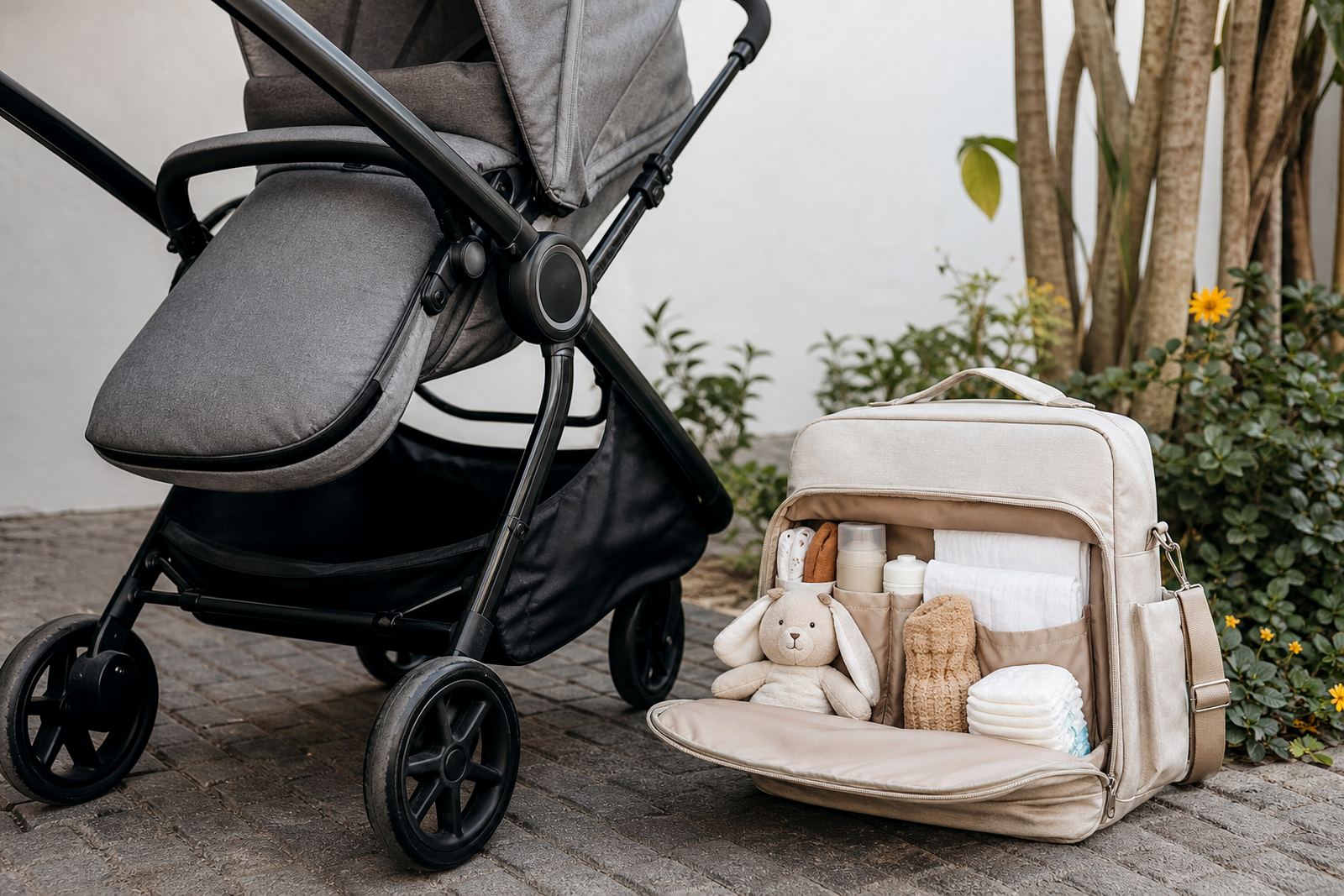
The aim is to have enough clothing for daily changes, small spills and unexpected delays. Babies can need several outfit changes in one day, so it helps to keep spare items in the nappy bag and in the main changing area at home. For families in coastal towns like Umhlanga, Ballito or Gqeberha, a lighter rotation is often enough for warm days, but one or two extra layers are still useful for evenings or travel.
- Short-sleeved and long-sleeved basics
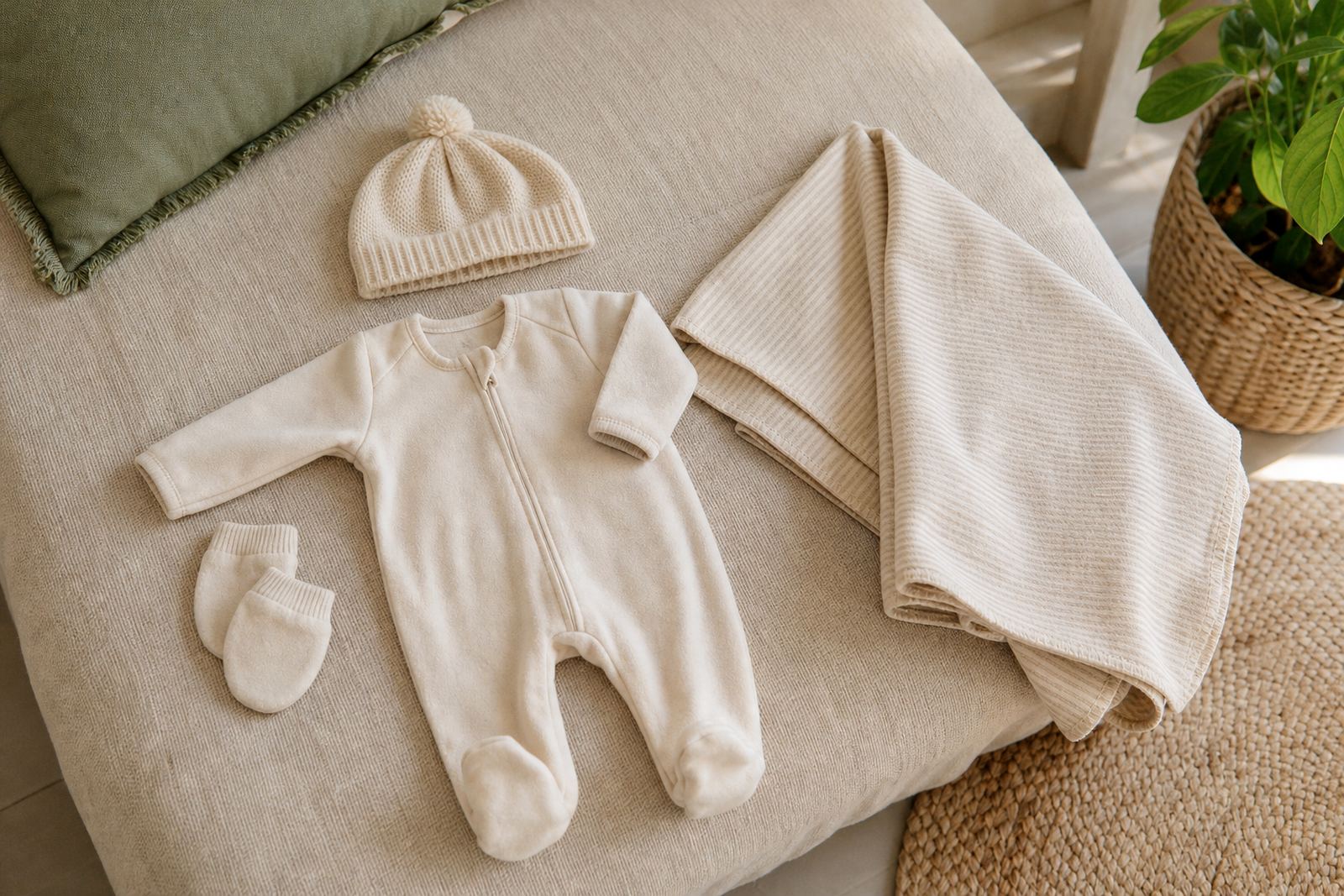
- Footed sleep suits or simple all-in-one outfits
- Vests or bodysuits for layering
- At least a few spare outfits and extra bibs
- One light blanket or wrap for travel and cooler days
Why easy fastenings save time during quick changes
Newborn clothing should make changing as quick and calm as possible. Fastenings that open wide, lie flat and close neatly can save a lot of time, especially during night changes or when a baby is unsettled. Parents quickly learn that a beautiful outfit is not very helpful if it is awkward to get on and off.
Press studs, front openings and simple wrap styles are often easier than items that have to be pulled over the head. This matters when a baby is tiny and still getting used to being dressed. Clothes that open from the front can also be useful when a change has to happen in a small space, such as a car seat stop in Durban traffic or a clinic waiting area.
- Choose wide neck openings or front fastenings
- Avoid clothing that feels tight around the head or arms
- Pick outfits that can be changed without too much fuss
- Make sure zips and fasteners are covered or sit flat
Think in layers rather than one heavy outfit
Layering is one of the easiest ways to dress a newborn well. A base layer keeps the baby comfortable, while a second layer can be added or removed depending on the weather and where the baby is spending time. This is especially useful in South Africa, where the weather can change quite a bit between coastal humidity, inland heat and cool winter mornings.
A simple layering routine also helps parents avoid over dressing. A baby in a warm room may only need a light vest and a single outer layer, while a breezy afternoon in Cape Town may call for one extra piece. The point is to make changes easy, not to pile on too many items at once.
- Use a soft base layer close to the skin
- Add one light layer for cooler weather
- Keep a wrap or blanket nearby for outings
- Check the room temperature before adding more clothing
As a general safety reminder, babies should not be dressed in bulky clothing that restricts movement or feels too hot. If you are unsure whether your baby needs more or less clothing, speak to a clinic nurse, midwife or doctor.
Build for daily outfit changes, not perfect outfits
Real life with a newborn means outfit changes are part of the day. Milk spills, nappy leaks and dribbles happen, so the best clothing is the kind that keeps things simple when a quick change is needed. Having the right basics on hand can make mornings and evenings feel less rushed.
It helps to sort clothing by use rather than by occasion. Keep one set for home, one for outings and one spare set in the nappy bag. For families moving between Umhlanga, Durban and Pietermaritzburg, this can save time when a baby needs changing after a long drive or a stop on the way to visit family.
- Keep spare outfits in the nappy bag
- Have a home changing set ready in one place
- Use clothing that is easy to fold and pack
- Choose pieces that mix and match without much effort
A local example of what works in the first few weeks
Take a Durban family bringing baby home in summer. The mornings may be warm, the afternoon sticky and the evenings cooler once the sun goes down. In that kind of routine, a parent might use a light vest, a soft all-in-one outfit and one extra layer kept nearby for the ride home or a late clinic visit. That setup is easier than trying to work around too many separate items.
The same idea works across South Africa. In Johannesburg or Pretoria, parents may rely more on layers in the early morning and at night. In Cape Town, a breezy day can turn cool quickly, especially close to the coast. The best newborn clothing basics are the ones that adapt to the day without making parents think too hard about every change.
For gifts, this is also why practical newborn clothing is often appreciated. Parents usually value items that can be used straight away, washed often and packed into a small drawer without fuss. A thoughtful gift is one that makes the daily routine easier, not one that adds more sorting.