
Start with a soft base that can move with the day
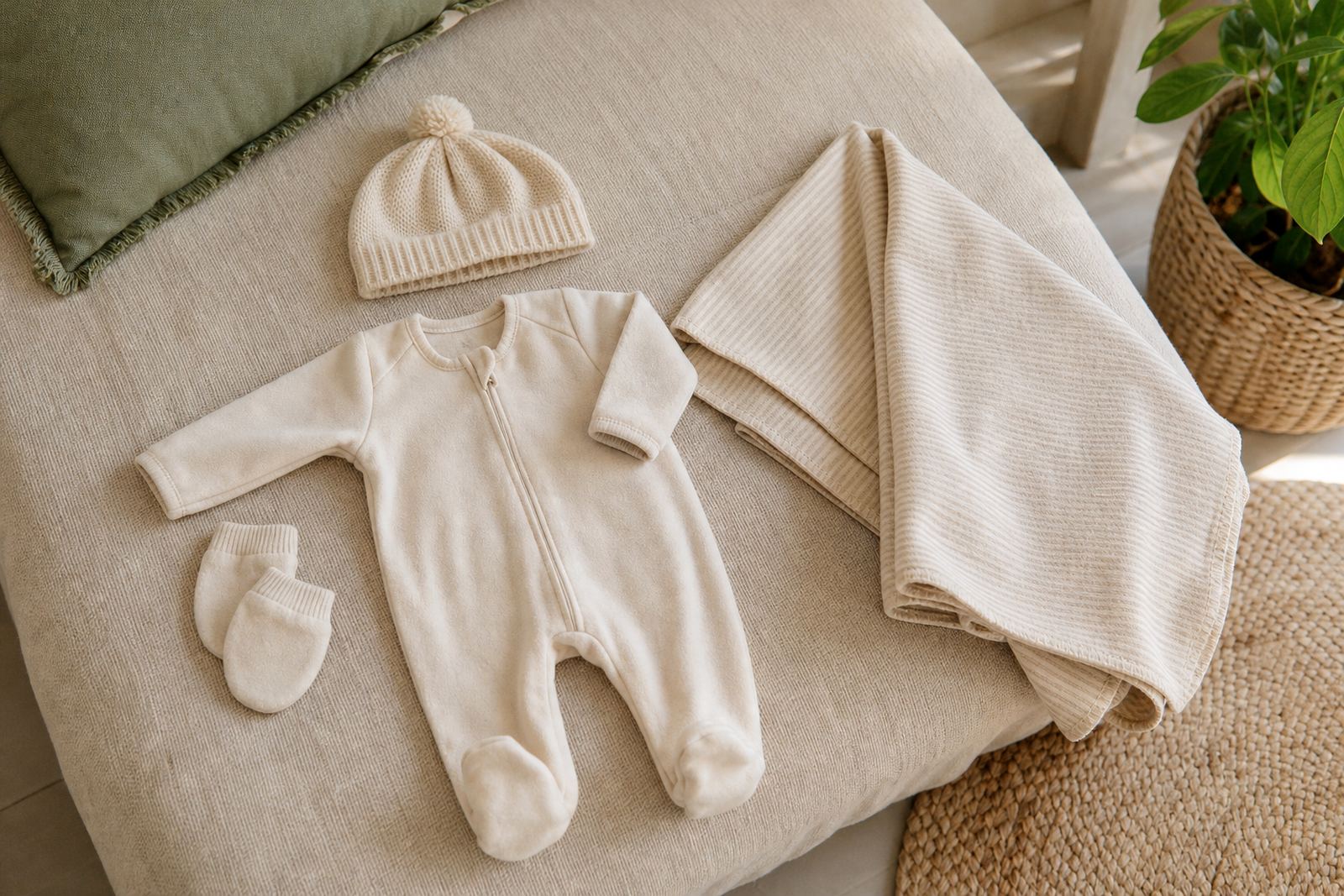
For winter baby layers, begin with a comfortable base layer that sits close to the skin and does not bunch up under blankets, carriers or prams. A long-sleeve bodysuit, soft vest or light sleepsuit is usually a practical starting point because it keeps the outfit neat and makes nappy changes easier. For maternity wear, a breathable vest or top under a cardigan or wrap helps if you are moving between outside air and heated indoor spaces.
In Durban, the morning may feel cool in Umhlanga, then turn warmer by midday, while the same baby may be in a chilly shopping centre or the back seat of a car with aircon a few hours later. That is why one thick outfit often works less well than two or three lighter layers. You can adjust as the day changes, and you are less likely to overheat a little one indoors.
- Choose soft fabrics that feel gentle against sensitive skin.
- Look for simple openings that make dressing easier.
- Keep the base layer light enough to sit neatly under other clothes.
Use a middle layer for warmth without too much bulk
The middle layer is where you build warmth. A jersey, hoodie, cardigan or fleece-style piece can add insulation without making the baby feel stiff or overpacked. For newborns, a mid-layer should be easy to open at the front and simple to remove if a room gets warm. For older babies, stretchy clothes are useful because they allow crawling, rolling and carrying with less fuss.
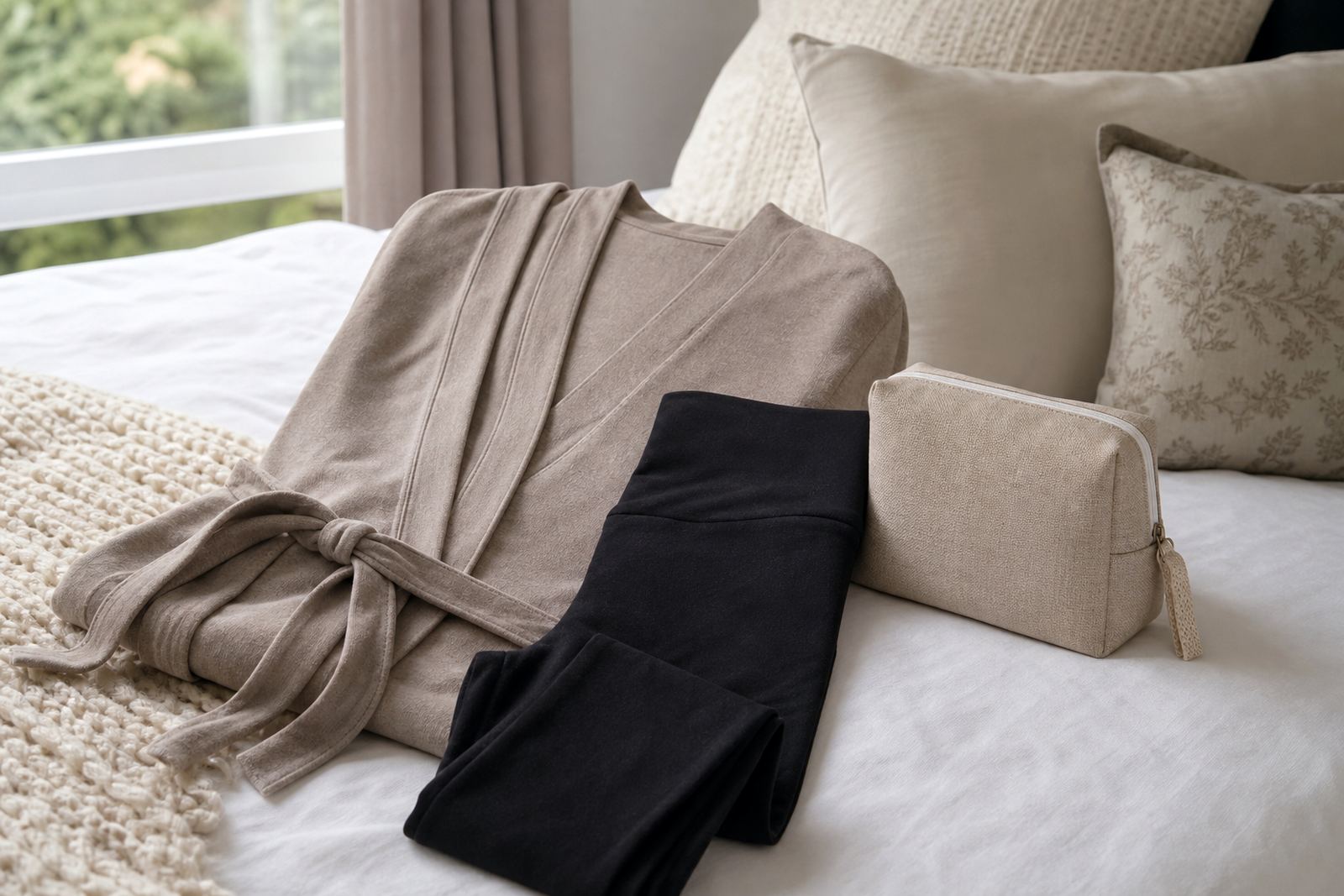
For maternity wear, winter layers need to work around a growing bump as well as changing temperatures. A longer cardigan or loose knit top can be worn over a fitted base layer and still leave room to move. Many mums find that a light extra layer is better than a heavy jacket, especially when you are in and out of the car or standing in a queue.
A practical winter outfit does not need to be complicated. The point is to stay comfortable while keeping hands, tummy and back covered. If the baby is warm enough without sweating, the layer count is usually about right.
Choose outer pieces that are easy to take off fast
The outer layer should deal with wind, cool mornings and quick trips outdoors. This might be a coat, padded top layer, pram cover or blanket, depending on the age of the child and where you are going. In places like Cape Town or Gqeberha, coastal wind can make the air feel colder than the thermometer suggests, so a layer that blocks the breeze is useful. In Johannesburg or Pretoria, early starts can be sharp, then indoor spaces may heat up quickly.
When choosing outerwear, think about how often you will take it on and off. Snaps, zips and front openings are often more practical than outfits that need to be pulled over the head. Parents also tend to prefer items that do not take up too much room in a nappy bag or car boot.
- Pick outer layers that can be opened quickly in a warm car or shop.
- Check that sleeves and hems do not ride up too easily.
- Keep one lighter layer on hand for sudden temperature changes.
Watch indoor warmth as carefully as the weather outside
One common winter mistake is dressing a baby only for the outdoor temperature. Indoor comfort matters just as much. Many homes, clinics, malls and offices in South Africa become warm once the sun is up, and some spaces feel stuffy during load-shedding when windows are closed and small heaters are used. Babies can become uncomfortable quickly if they are overdressed in a closed room.
A simple rule is to check the back of the neck or tummy rather than just the hands and feet. If the skin feels hot and damp, remove one layer. If the baby seems cool but comfortable, the layers are probably fine. For new mums, especially after delivery, breathable layers can help when you are moving between resting, feeding a baby, and walking around the house or hospital.
When you are unsure, it is better to keep the outfit adjustable. That way, you can respond to the room you are in, not just the time of day.
Build a small winter bag for errands, visits and last-minute plans
A compact baby bag for winter can save a lot of stress. It helps to keep spare layers close at hand because weather changes, spillages and nappy leaks never seem to happen at a convenient time. If you are visiting family in Pietermaritzburg or heading across town for a clinic appointment, a few extras can make the outing smoother.
Useful items for a winter bag include a spare vest, a light jersey, a beanie, socks and a blanket that folds small. For mums, a soft wrap or extra top is also handy when you need an extra layer over maternity wear. Gift bundles and newborn gift boxes often work well for this reason too, because they can include useful seasonal pieces instead of items that only look nice in a packet.
- Keep one spare outfit in the car and one in the nappy bag.
- Pack layers that fold small and dry easily.
- Choose neutral pieces that can mix with several outfits.
Think about fabrics, washing and everyday use
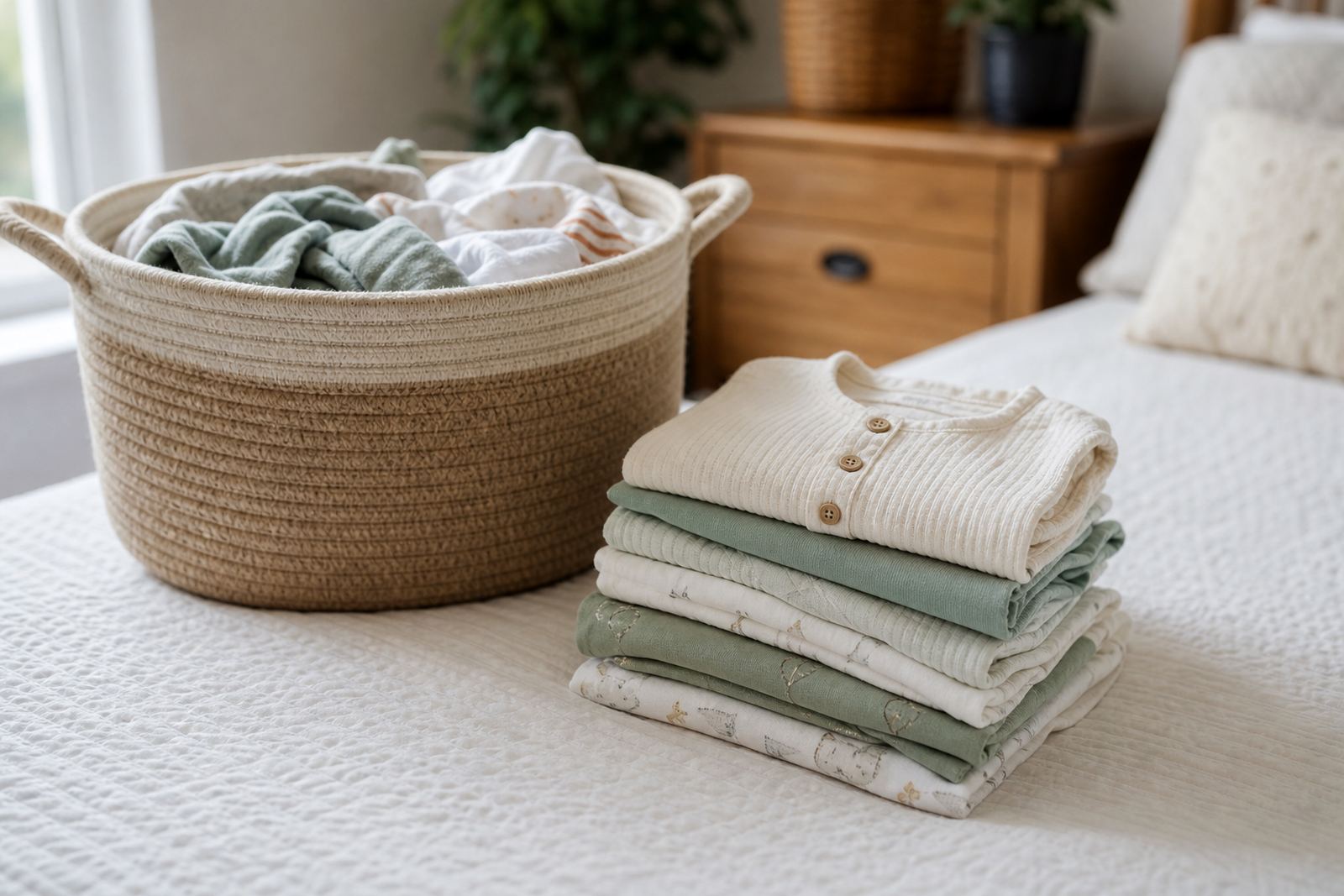
South African winter clothing gets washed often, so it helps to choose fabrics that handle regular wear well. Soft cotton blends and easy-care knits are practical because they are gentle, simple to wash and not too heavy on the line. In humid coastal areas, clothes that dry reasonably fast are useful, especially if you are washing overnight and need them again the next day.
Babies also spend time on blankets, laps and car seats, so the finish of the garment matters. Avoid anything with scratchy seams, hard trims or tight elastic that could irritate skin. For maternity wear, look for pieces that keep their shape after washing and still feel comfortable after a long day. Practical clothing saves time, and that matters when you are managing feeds, visitors and school runs at the same time.
If you are shopping for a gift, winter layers are often more useful than novelty items. They are part of everyday life, and parents tend to appreciate gifts that can actually be worn often.
Keep safety simple and ask for help when needed
Layering should always support comfort and safe movement. Clothing should not be too tight around the neck, chest or waist, and babies should be able to bend their limbs freely. If you are using blankets or pram covers, make sure the baby can still move and breathe comfortably. Never rely on clothing alone if you have concerns about a child being unwell, and do not use winter dressing as a substitute for proper medical advice.
For health questions about a baby or pregnancy, speak to a clinic, midwife or doctor. For everyday shopping, it often helps to buy a few flexible pieces instead of many single-purpose items. That way, the wardrobe works from home to car to clinic without extra effort.
At Maata, winter baby layers are best treated as practical building blocks. The right mix lets you adjust quickly, keep babies comfortable and make cool-weather dressing feel a bit less complicated.