
Start with how the bib will be used each day
Not every bib needs to do the same job. A soft cloth bib works well for dribbles and light mess, while a larger wipe-clean style is better for meals, messy snacks and those days when food seems to end up everywhere. If you are buying for a newborn, look for something gentle and lightweight. For older babies and toddlers, coverage matters more because they move around and tend to grab the food too.
In Durban’s humid weather, many parents also prefer bibs that dry quickly after washing. If a bib stays damp for too long, it becomes harder to keep in regular rotation. For everyday use, it helps to have more than one style at home so you can switch between quick outings, feeding time and travel. A family in Umhlanga might keep a soft cotton bib in the nappy bag for visits, then use a larger bib at home when solids become part of the routine.
- For dribbles: soft and absorbent fabrics
- For meals: wider coverage and easy-clean surfaces
- For outings: light bibs that fold flat in a bag
- For gifting: simple neutral colours that suit most families
Choose materials that suit real South African conditions
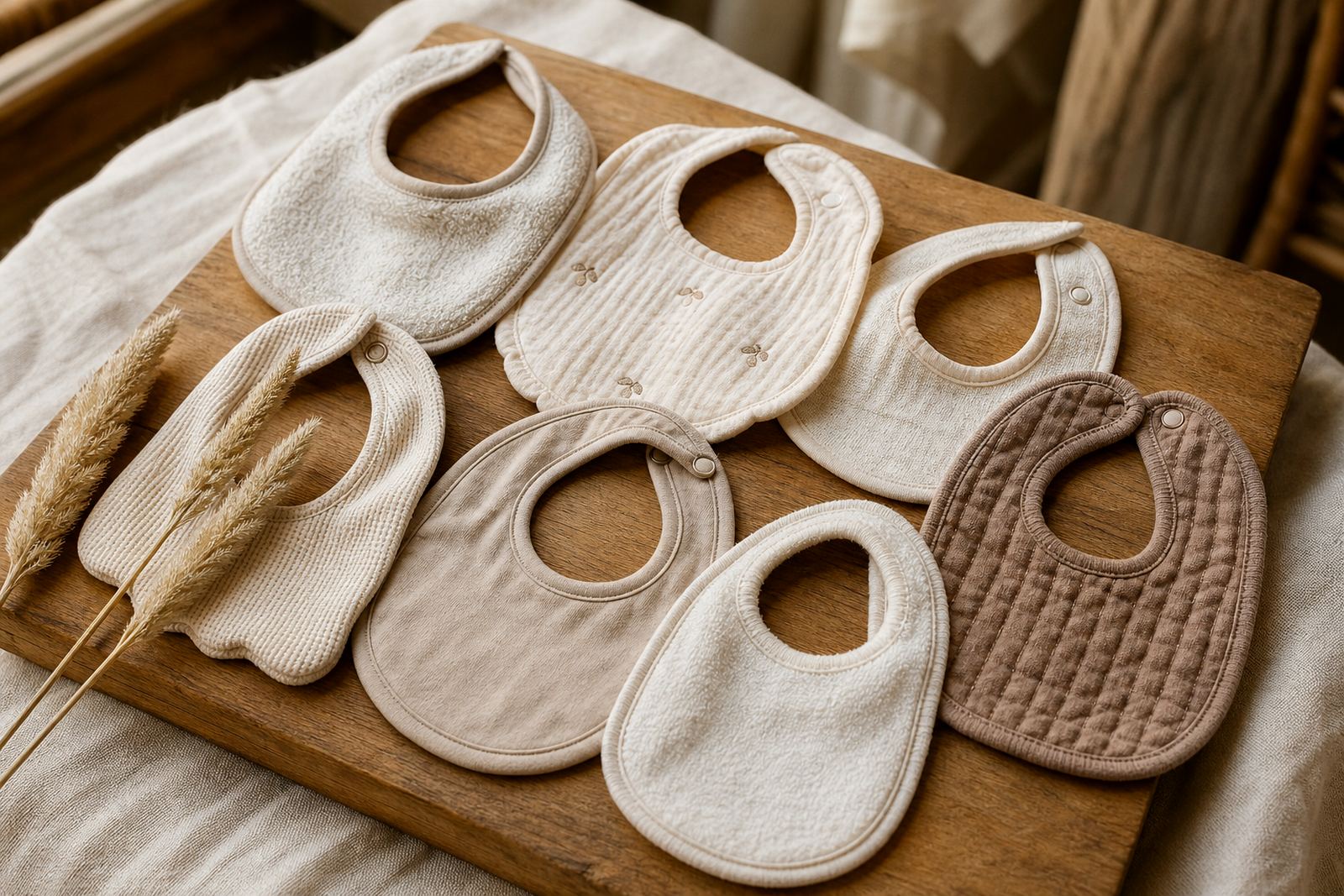
Material makes a big difference to comfort and day-to-day use. Cotton and towelling bibs feel soft against the skin and usually absorb moisture well, which is useful for younger babies. They are easy to wear for longer stretches and usually suit parents who want something breathable. Silicone and other wipe-clean materials are handy when food is involved because they can be rinsed or wiped off quickly after a meal.
Coastal homes often deal with more humidity, so materials that dry fast can be easier to manage. If you live inland, the issue may be less about moisture in the air and more about dust, washing cycles and load-shedding planning. A bib that is simple to wash by hand and dries overnight can save time when the laundry stack is already full. Some parents prefer to keep it practical and buy a mix, because no single fabric works for every stage.
- Cotton is soft and familiar for daily wear
- Towelling can absorb drool and spills well
- Wipe-clean materials are useful for feeding time
- Quick-drying options are helpful in humid areas
Shape affects coverage more than many people realise
The shape of a bib should match the way babies move. A small bib may be fine for early months, but once a child starts turning their head, reaching for the spoon or leaning forward at the table, coverage becomes important. A bib with a wider front panel helps protect the chest and upper lap area from spills. Some styles also have a slightly contoured shape around the shoulders, which can improve comfort and make the bib sit better.
Neck size matters too. If the bib sits too loose, food and milk can slip underneath. If it is too tight, it becomes uncomfortable and can cause fussing. You want enough space for movement, but not so much that the bib slides around. Practical shape is often more useful than decoration. A simple bib that stays put and covers the right area will usually get more use than a pretty one that keeps shifting. For parents in places like Pietermaritzburg or Gqeberha, where daily routines often involve errands, school runs and quick stops, a well-shaped bib can make busy days easier.
- Wider fronts give better spill protection
- Contoured shoulders can improve fit
- Enough neck room matters for comfort
- Simple shapes are often easier to wash and dry
Look closely at the closure before you buy
Closures are one of the most practical details on any bib. A bib that fastens quickly is easier when you are dealing with a wriggling baby, a hungry toddler or a last-minute outing. Press-stud closures are common because they are simple and usually hold well. Tie closures can work too, but they may take more time and can be less convenient when you need to fasten the bib quickly. Velcro-style closures are easy to use, though some parents prefer a smoother finish against the skin.
Whichever closure you choose, check that it feels secure without being fiddly. If the bib has multiple fastening points, it may grow with the baby better over time. That can be useful when you are trying to stretch purchases across several months. In a household where grandparents, caregivers and parents all share feeding duties, a closure that is easy to understand is often the best choice.
- Press-studs are quick and secure
- Tie closures can take longer to use
- Easy fastening helps when babies are moving a lot
- Adjustable options can give better value over time
Think about cleaning, drying and daily storage
Cleaning is where a bib either earns its place in the cupboard or gets left behind. Bibs that wipe clean with a cloth are convenient after meals, while fabric bibs should ideally handle frequent washing without losing shape too quickly. If you are washing by hand during a power cut or while managing limited laundry time, simpler materials are usually easier to live with. A bib that dries flat on a rack or line is often more practical than one that stays damp in a pile.
It also helps to think about where the bib will be stored. If you keep a few in the nappy bag, choose ones that fold neatly and do not take up much space. If you keep extras in the kitchen, a larger bib with easy-to-see fastenings may be simpler to grab. Small habits matter here. When feeding time is already a bit messy, the easier the bib is to fetch, wash and put away, the more useful it becomes.
- Easy-wipe bibs save time after meals
- Fabric bibs should keep their shape after washing
- Fast drying is useful when laundry space is limited
- Foldable bibs are handy for bags and travel
A practical gift choice for baby showers and new families
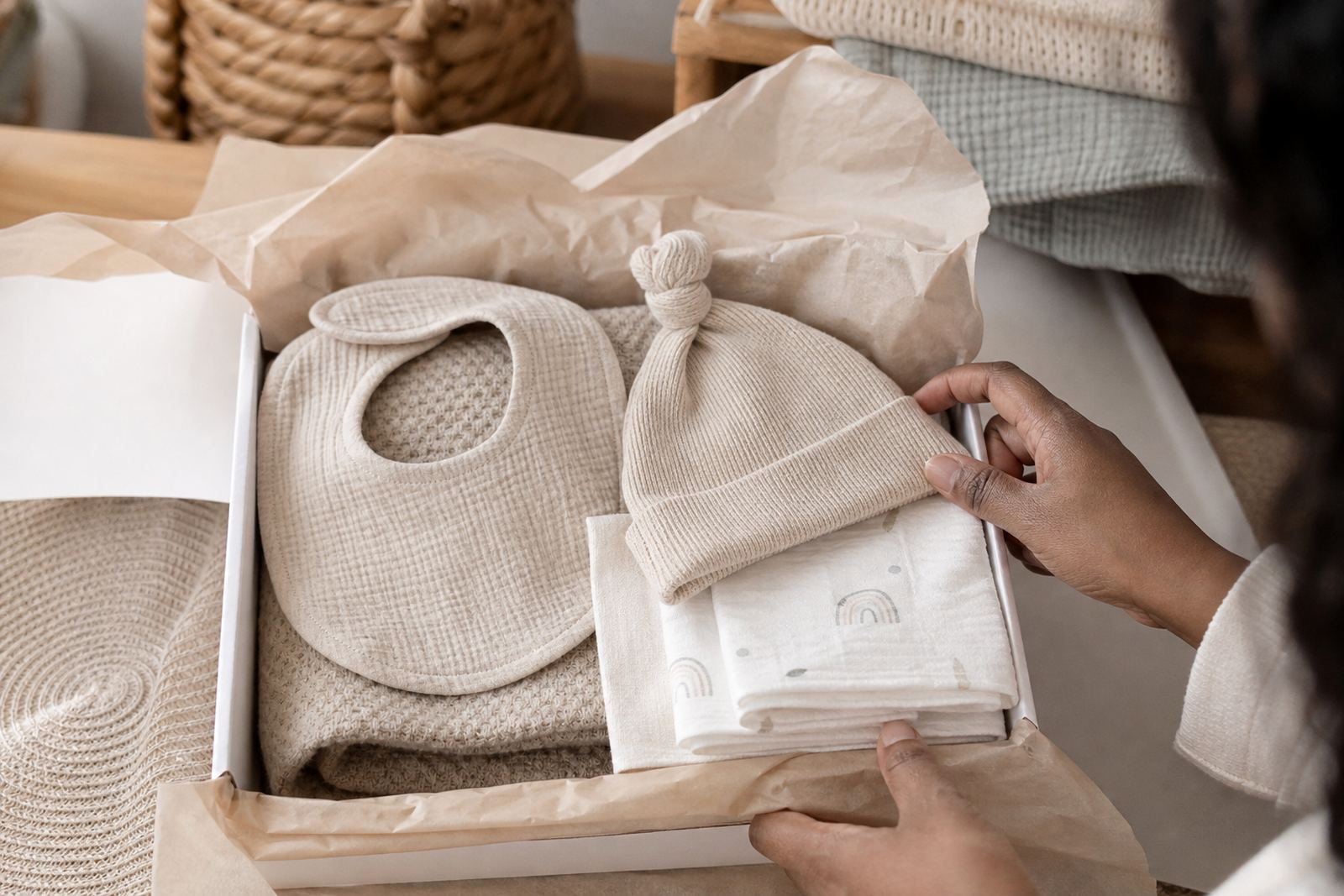
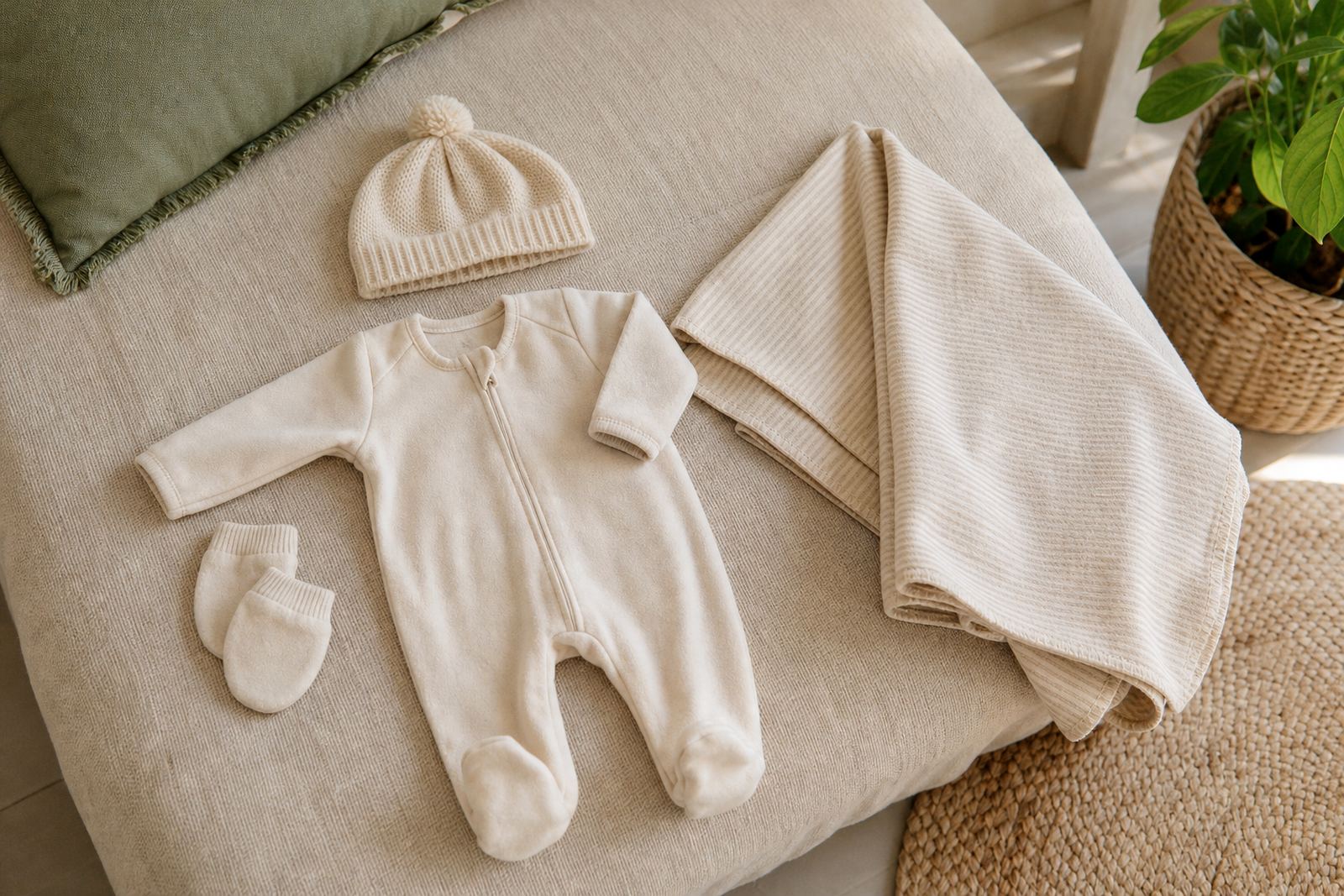
Bibs are popular for gifting because they are useful from the start and usually fit into a wider baby or maternity gift selection. If you are choosing a gift for a baby shower or new arrival, a small set of bibs can be paired with other essentials. Neutral colours are a safe choice when you do not know the baby’s wardrobe or the parents’ taste. Soft textures and simple designs tend to work well for gift bundles too.
For families in Durban, Johannesburg, Pretoria, Cape Town and Gqeberha, delivery timing matters as much as the gift itself. A bib can be part of a last-minute gift box, a workplace baby gift or a direct delivery to home. When you want something practical but still thoughtful, a bib is one of those items that gets used often and appreciated quickly. For health questions, especially around feeding or skin sensitivity, it is always best to speak to a clinic, midwife or doctor.
In the end, the best bib is the one that suits the baby’s stage, the family’s routine and the kind of mess you are trying to manage. Materials, shape and closures may sound like small details, but they make a real difference day to day.