Start with the hospital stay you are actually planning for
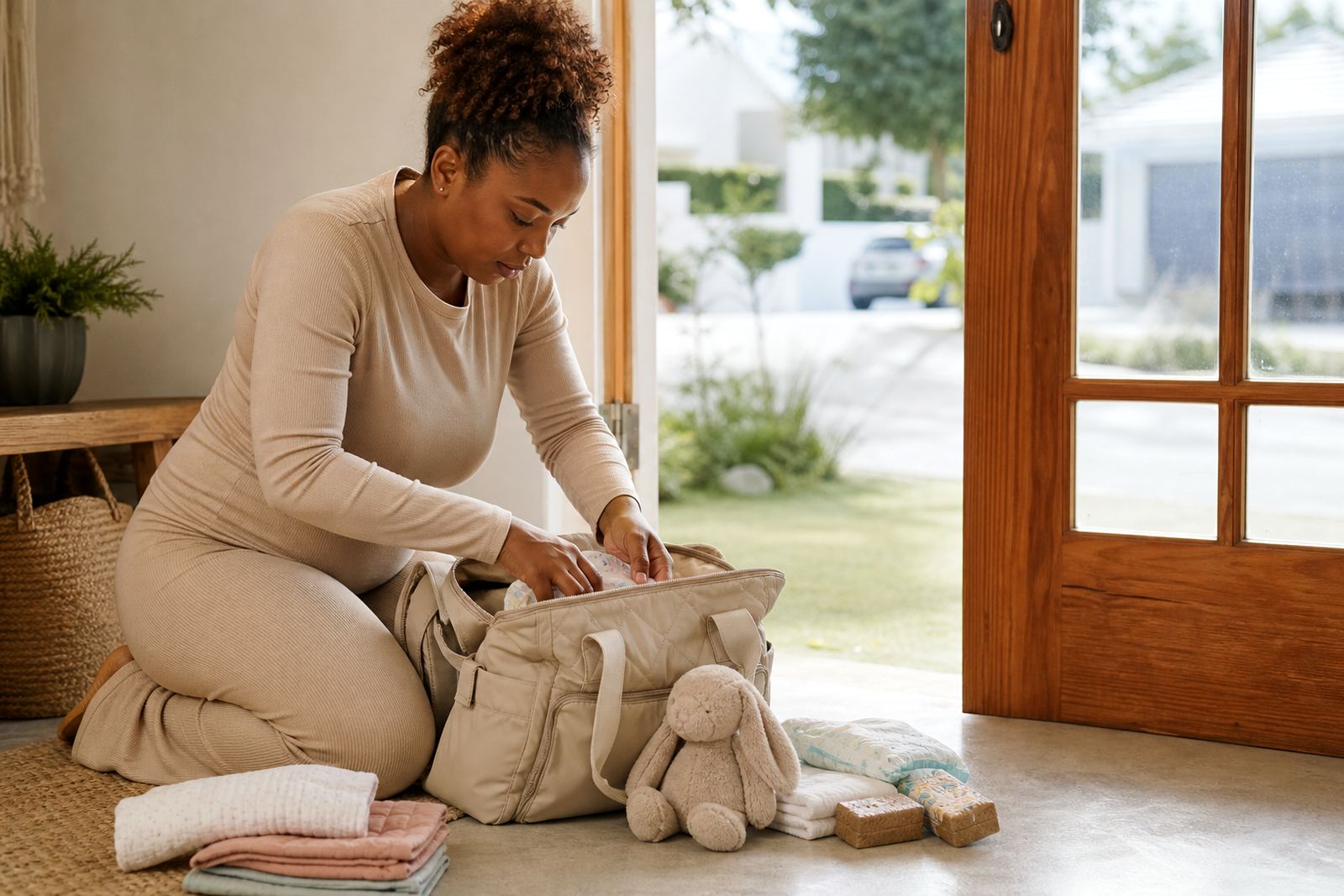
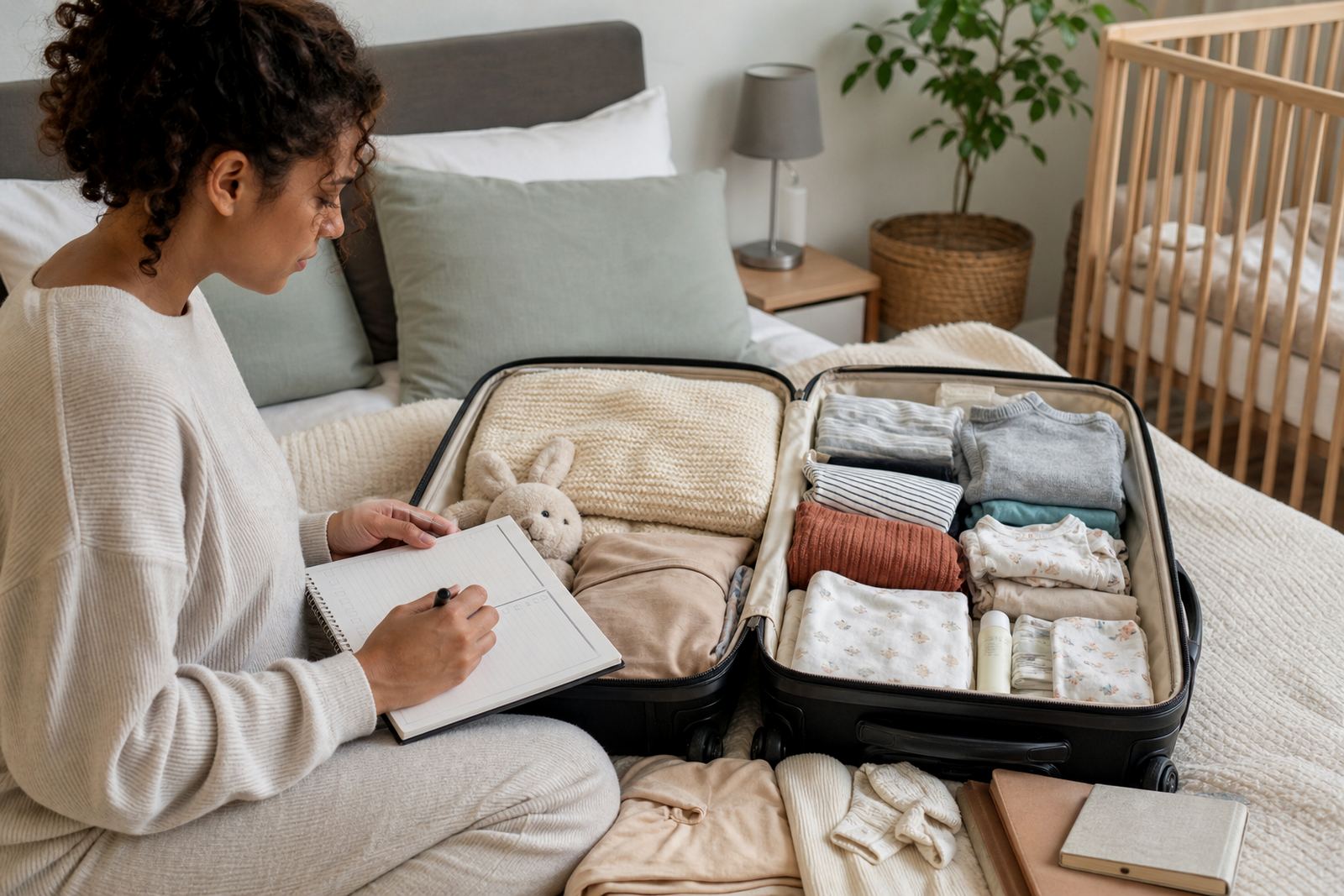
Hospital prep usually begins with the basics that help you feel organised before the big day. Most parents want a small set of maternity wear, easy-to-pack toiletries, a few newborn clothing items, and simple bag organisers so nothing gets lost at the bottom of a suitcase. If your delivery is planned in Durban, Johannesburg, Pretoria, Cape Town or Gqeberha, it also helps to think about travel time, parking, and whether someone will need to collect extras after birth.
For many families, the aim is not to overpack. It is to have the right pieces ready in one place so a partner, doula, sister or parent can grab the bag without second-guessing. A neat packing plan can make a big difference when things move quickly and you are trying to keep things calm for everyone.
- Maternity wear that is soft, easy to move in and suitable for warm hospital rooms
- Newborn vests, sleepsuits and receiving blankets in a few sizes
- Toiletries, hair ties, lip balm and basic personal items
- Important documents stored in one pouch
- A small bag for chargers, snacks and loose change for parking or vending
What families usually pack for maternity and newborn basics
Hospital prep often includes a mix of clothing, comfort items and practical accessories. For the mother, that may mean loose maternity clothing, underwear that fits comfortably after birth and a light cover-up for visitors. For baby, it usually means soft newborn clothing, a blanket, nappies and wipes, depending on what the hospital provides. It is worth checking the hospital list first because every facility has slightly different rules and support items.
Keep in mind that newborn items should be simple and easy to use. Press studs, stretch fabrics and clearly sized pieces are usually easier than anything with too many fasteners. In coastal areas like Umhlanga or Ballito, breathable fabrics can be more comfortable in humid weather, while a light blanket still helps in air-conditioned wards. If you are shopping for a gift, a newborn set is often a practical choice because it covers the basics without adding clutter.
- 2 to 3 newborn vests or bodysuits
- 2 to 3 sleepsuits or all-in-one outfits
- 1 or 2 receiving blankets or muslin cloths
- Nappies and wipes if the hospital does not supply them
- A going-home outfit that is soft and sized sensibly
How to organise your bag so everything is easy to reach
A hospital bag works best when the things you need first are on top and the rest is grouped by use. One section for baby, one for mother and one for documents usually keeps the packing simple. Many parents also use smaller pouches inside the main bag, which helps when a nurse, partner or family member needs to find something quickly. It saves time and reduces the usual scramble that comes with bag changes and late night packing.
Try to pack by moment rather than by item type alone. For example, separate what you will need on arrival, what you may use later in the stay, and what should stay untouched until discharge. If you are preparing for a birthday season or a busy family calendar, gift wrap and gift boxes can also help when relatives want to arrive with practical presents instead of random extras.
- Top layer: documents, charger, tissues and lip balm
- Middle layer: mother’s clothing and toiletries
- Bottom layer: baby clothing, blankets and nappies
- Side pocket: small snacks, hairbrush and a face cloth
- Separate pouch: discharge outfit and homecoming items
Common mistakes people make before heading to hospital
One of the most common mistakes is buying too much in one size. Newborn babies vary a lot and some parents need more than one size option, not just the smallest size on the shelf. Another mistake is packing items that look useful but are awkward to use in a hurry. If the zip is fiddly or the bag is too bulky, it can create stress at the worst possible moment.
People also tend to forget the practical details. That can include the family member who needs to drive back and forth between Umhlanga and the hospital, or the fact that a rainy Durban afternoon can make parking and loading a car more difficult. It is worth keeping one small backup pouch ready at home in case you need to swap items after delivery. And if you have any health concerns, ask your clinic, midwife or doctor for guidance rather than relying on general internet advice.
- Buying only one size for baby clothing
- Leaving documents loose instead of keeping them together
- Forgetting items for the trip home
- Overpacking toiletries and making the bag too heavy
- Not checking what the hospital already provides
Budget ranges that make sense for South African families
Hospital prep does not need to be expensive, but it helps to set a realistic budget before you shop. A smaller setup with a few essential clothing items, a blanket and simple organisers can be built gradually. A more complete setup, especially if you want giftable packaging, extra maternity wear and a few backup items, will naturally cost more. The right range depends on whether you are buying for your own stay or putting together a present for someone else.
As a rough guide, many parents put aside around R300 to R800 for a basic starter pack, R800 to R1 800 for a fuller hospital prep bag, and R1 800 plus if they are adding multiple outfits, gift bundles or a number of extras for travel and visitors. Those figures can shift depending on fabric type, item count and whether you are shopping for one baby or preparing for twins. It is usually better to buy a few useful pieces now and add the rest later than to spend on things that never get used.
When gifts, vouchers and delivery help the most
Hospital prep is not only for parents who are packing their own bag. It is also a common time for family and friends to organise a gift message, gift box, registry help or direct delivery. That can be especially useful for last-minute gifts when the baby arrives earlier than expected or when relatives live in another city. Maata supports deliveries across South Africa, including Durban, Johannesburg, Pretoria, Cape Town, Gqeberha and Pietermaritzburg, which helps if the family is spread out.
For workplaces, group gifts and maternity bundles can be a considerate way to support a colleague without making the new parents manage too many separate parcels. In a practical sense, the best gift is often the one that is simple to store, easy to wash and useful after the hospital stay as well. If you are unsure what to choose, a voucher can give the parents room to decide for themselves.
- Gift wrapping for easy handover at the hospital or at home
- Gift messages for a personal touch
- Newborn gift boxes and maternity gift boxes
- Registry help and group gifting for families and teams
- Direct gift delivery to home or workplace