
Start With The Way It Fastens
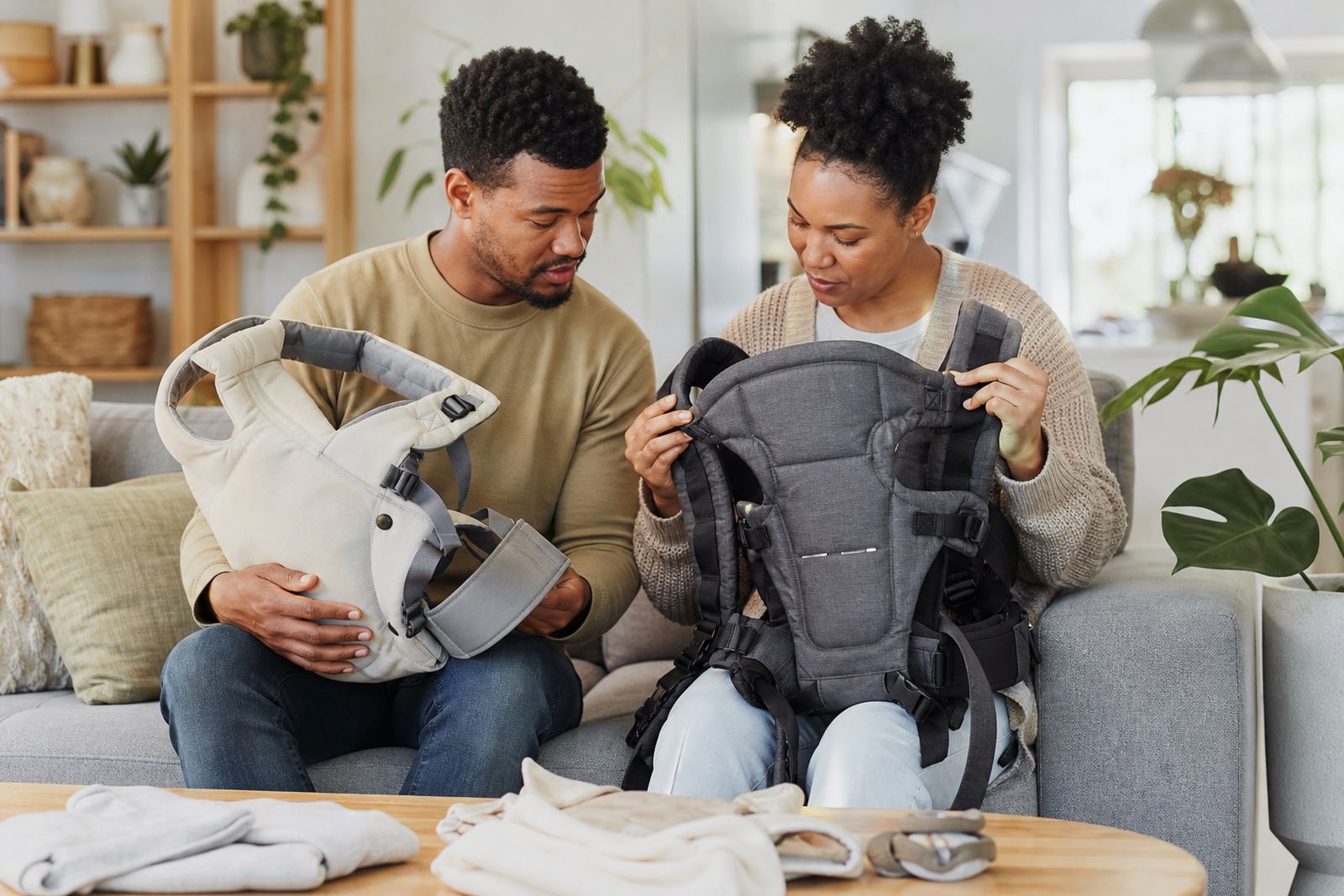
The fastening method affects how quick the carrier is to use and how secure it feels. Some parents prefer buckles because they are fast and easy to check. Others like wrap-style options for a close fit and softer feel. If you will be using the carrier often for quick outings in Umhlanga, the school run in Durban North, or a dash to the local pharmacy, think about how much time you want to spend getting it on.
Ask yourself whether you want one main fastening point or several straps that spread the load. A carrier should feel firm once closed, not loose or shifting when you walk. If you are sharing the carrier with another caregiver, the fastening should be simple enough for both of you to adjust without fuss.
- Check that buckles clip in firmly and release without strain.
- Make sure straps are easy to tighten while wearing the carrier.
- Look for clear position markers if more than one adult will use it.
- Choose a fastening you can manage one handed when needed.
Look For Adjustable Support That Grows With You
Adjustability matters because bodies differ and babies grow quickly. A good carrier should allow you to change the shoulder straps, waist band and seat area so the weight is spread properly. For daily use, this helps reduce pressure on your shoulders and lower back, especially if you are carrying your baby for longer stretches through a mall in Pretoria or across a busy parking area in Cape Town.
When checking the fit, make sure the carrier can be tightened snugly without pinching. The baby should sit high enough for you to kiss the top of their head without leaning forward. If the carrier has multiple settings, keep the instructions somewhere handy so you can make the same adjustments each time. That saves time and cuts down on guesswork.
- Test whether the straps shorten and lengthen smoothly.
- Check for a waistband that sits comfortably on the hips.
- See if the carrier adjusts for different wearers.
- Confirm that the seat can be set for a smaller or larger baby.
Choose Comfort For Busy Days And Short Trips
Comfort is not only about padding. It also depends on how the carrier spreads weight across your body and how your baby sits inside it. Wider shoulder straps can help when you are carrying for longer periods. A supportive waist band can take some of the load off your back. If you are likely to wear the carrier while doing everyday things like walking from the car to a clinic or browsing a market in Gqeberha, comfort will matter more than looks alone.
Breathable fabric is useful in warm weather and humid coastal conditions. In Durban and Ballito, a carrier that traps too much heat can feel uncomfortable very quickly. If you expect regular use in summer, look for fabric that feels light but still sturdy. If the carrier has removable pads or covers, check that they are easy to wash because spills and dribble happen often.
- Choose padding that supports without feeling bulky.
- Look for fabric that suits warm, humid weather.
- Check that the carrier does not dig into your neck or underarms.
- Pick a style you can wear for at least 20 to 30 minutes comfortably.
Make Sure The Fit Supports Safe Everyday Carrying
Safety starts with a proper fit. Your baby should be held snugly against your body with the airway clear and the face visible. The chin should not be tucked tightly to the chest. Check the carrier before each use, especially if it has been folded in the nappy bag or stored in the car. Heat, sand and regular use can loosen straps over time, so it helps to inspect clips and seams often.
General safety reminders are simple but important. Keep one hand free when settling your baby into the carrier, and never use a damaged strap or broken buckle. Follow the carrier instructions for weight and size limits. If you have questions about your baby’s health, feeding or positioning needs, speak to a clinic, midwife or doctor for advice.
- Ensure the baby can breathe freely and is not pressed too tightly.
- Check that all buckles and seams are intact before use.
- Use the carrier only within the stated size and weight range.
- Stop using it if the fit feels loose or unbalanced.
Use A Simple Step By Step Buying Check
A clear buying check makes the choice easier. Start by thinking about where you will use the carrier most often. Then compare fastening, adjustability and comfort before you commit. If you are buying a gift, this helps too because you can match the carrier to the parent’s routine rather than guessing.
Try this quick checklist before ordering:
- Will it suit short errands, longer outings or both?
- Can it be adjusted for more than one caregiver?
- Does the fastening feel quick and secure?
- Will the fabric feel comfortable in warm weather?
- Is it easy to clean after spills or daily use?
- Will it pack away neatly in a nappy bag or car boot?
If the answer is yes to most of these, you are likely looking at a carrier that will work well for everyday life rather than only for special occasions.
Match The a leading make To Your Routine And Gift Needs
Many families in South Africa buy baby carriers for everyday movement, school runs, doctor visits and visits to grandparents. A practical choice should make life easier from the first wear. That is why the best carrier is usually the one that suits your own routine, not just the one that looks neat on the shelf. Consider whether you want something compact for the nappy bag or a more padded option for longer outings.
If you are shopping for a baby shower or workplace gift, a carrier can be paired with gift wrapping, a gift message, a newborn gift box or a baby gift bundle. For registry help, group gifting or direct gift delivery, it helps to choose something that is useful, easy to fit and simple to share between caregivers. If you are unsure, a gift voucher gives the family room to choose the style that suits them best.
For enquiries about delivery to Durban, Johannesburg, Pretoria, Cape Town, Gqeberha, Pietermaritzburg, Umhlanga or Ballito, use the enquiry form on our contact page and the team will assist.