Start with the fabric against baby’s skin
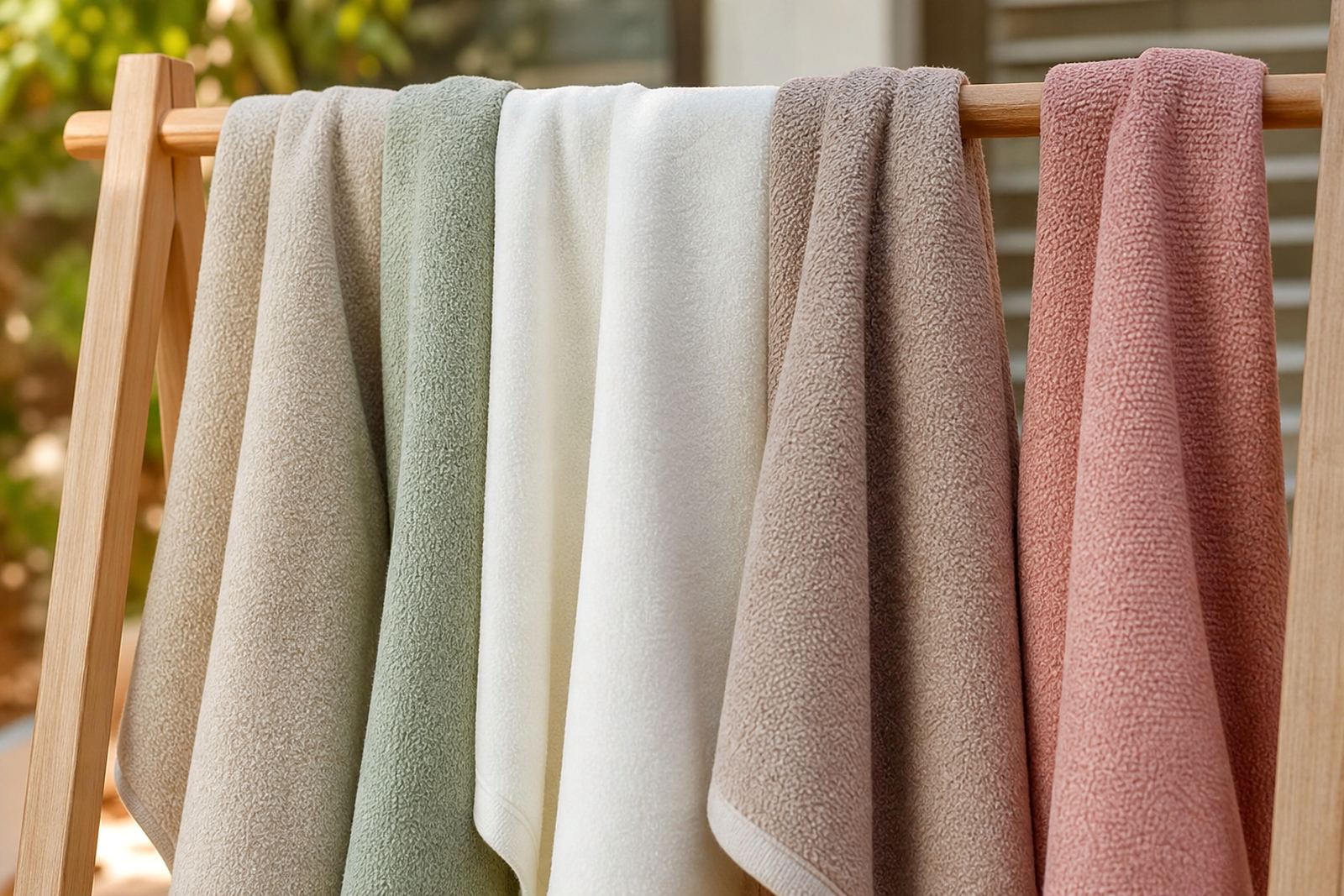
The first thing to check is how the towel feels in your hand. For newborns and young babies, you want a fabric that is gentle, low in scratchiness and comfortable on sensitive skin. Cotton is a common choice because it is soft, breathable and generally easy to wash. Towels with a smooth finish can feel nicer on a baby’s skin than stiff or overly thick piles that take forever to dry.
In Durban and other coastal areas, humidity can make thick towels stay damp longer, so it is worth looking for a towel that dries well between washes. That helps keep the towel fresher and easier to manage in an everyday routine. If you are buying for a winter baby in Johannesburg or Pretoria, a slightly heavier towel can feel cosy after bath time, but it still needs to dry properly in the laundry line or tumble dryer.
- Feel the towel for softness before you buy
- Check that seams and edges are neat, not rough
- Choose a fabric that stays comfortable after repeated washing
- Make sure it is gentle enough for everyday use
Check absorbency, not just thickness
A towel can look fluffy and still not dry well. Absorbency is what matters most. A good baby towel should take up moisture quickly, without needing to rub baby’s skin too hard. Patting dry is usually kinder than vigorous rubbing, especially after a bath or nappy change. If the towel takes too long to absorb water, you may end up using two towels, which is not ideal when you are doing several washes a week.
Pay attention to the towel weight and pile. Very thin towels may feel light but they can leave baby damp. Very heavy towels may hold water but take longer to dry. The better choice is often somewhere in the middle, where the towel feels substantial enough to dry well yet still manageable for daily use. That balance is useful for busy homes, load shedding schedules and smaller laundry spaces.
- Look for a towel that absorbs water quickly
- Balance thickness with drying time
- Choose a towel that works well after frequent washing
- Keep a spare towel ready for busy bath evenings
Choose a hood that stays useful after newborn stage
Hooded baby towels are popular because they help keep baby wrapped up after bath time. The hood should sit comfortably without being too tight or oversized. A well-shaped hood helps cover the head after bathing, but it should not pull the towel out of place when you wrap baby. Some hoods are decorative only, while others are cut in a way that actually stays on better.
Think about how you will use the towel over time. A hood that is big enough for newborn use but not so bulky that it feels awkward later is often a practical choice. Some parents like a hood for hospital bags, gift boxes and the nappy bag. Others prefer a simple bath towel with no extra bulk. Both can work, as long as the shape is easy to handle and does not become a nuisance in the wash.
- Check that the hood is shaped to stay in place
- Make sure it covers the head without bunching up
- Choose a size that can last beyond the first few weeks
- Decide whether you want plain, patterned or softly finished edges
Look at size, shape and how the towel wraps
Size matters because a baby towel needs to wrap securely without being too bulky. A towel that is too small may not keep baby warm after a bath, while one that is too large can be awkward to fold and store. For newborns, a compact towel is often easier to handle. As baby grows, a larger towel can be useful if you want one item that lasts longer.
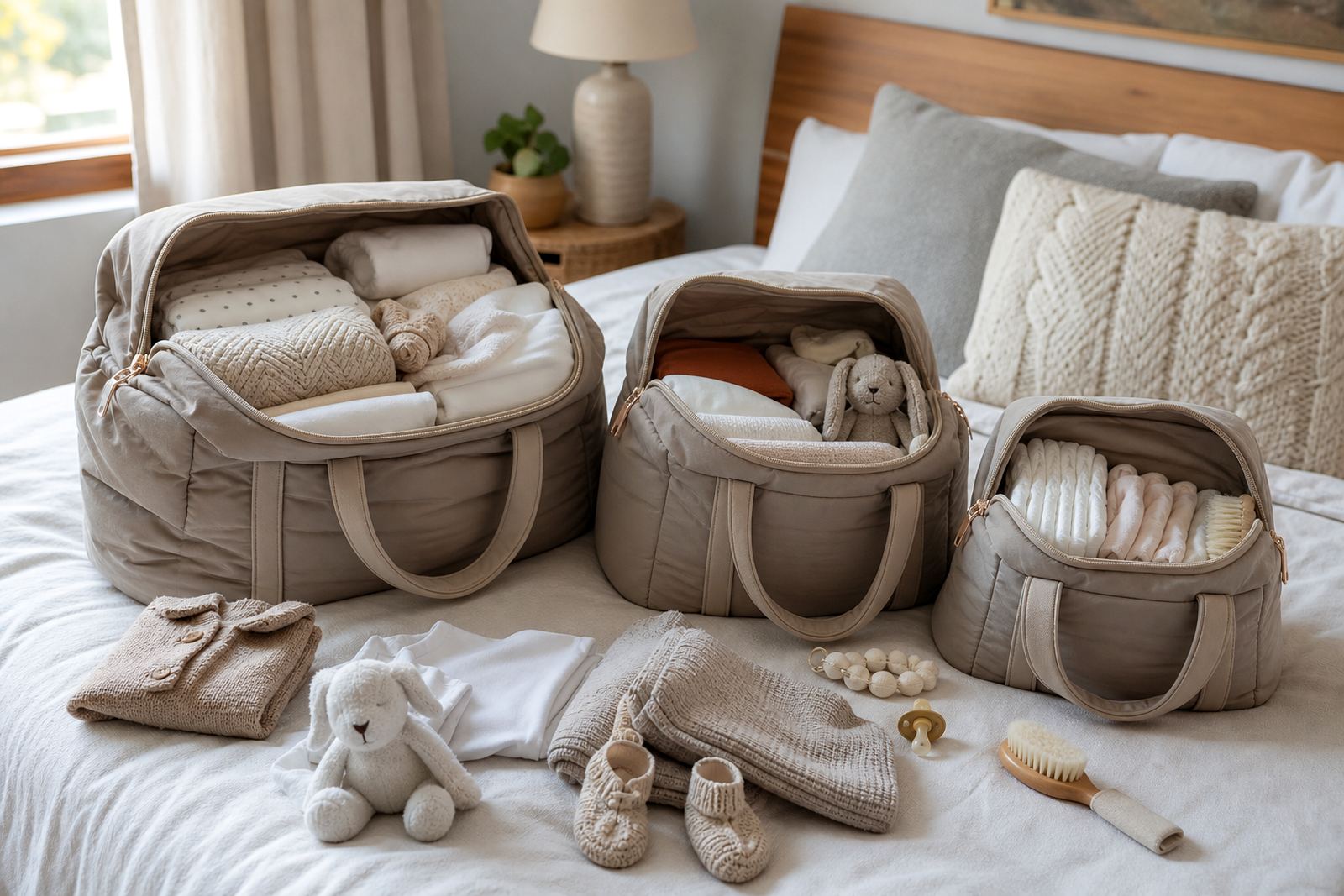
The shape should support easy wrapping. A square or rectangular towel with a hood often works well for everyday use. If you are buying a gift, a towel that folds neatly into a gift box or baby shower set can be practical as well as thoughtful. Keep in mind that the best towel is the one a tired parent can grab, wrap and wash without fuss.
- Choose a size that suits the baby’s current stage
- Check whether the towel wraps easily around the body
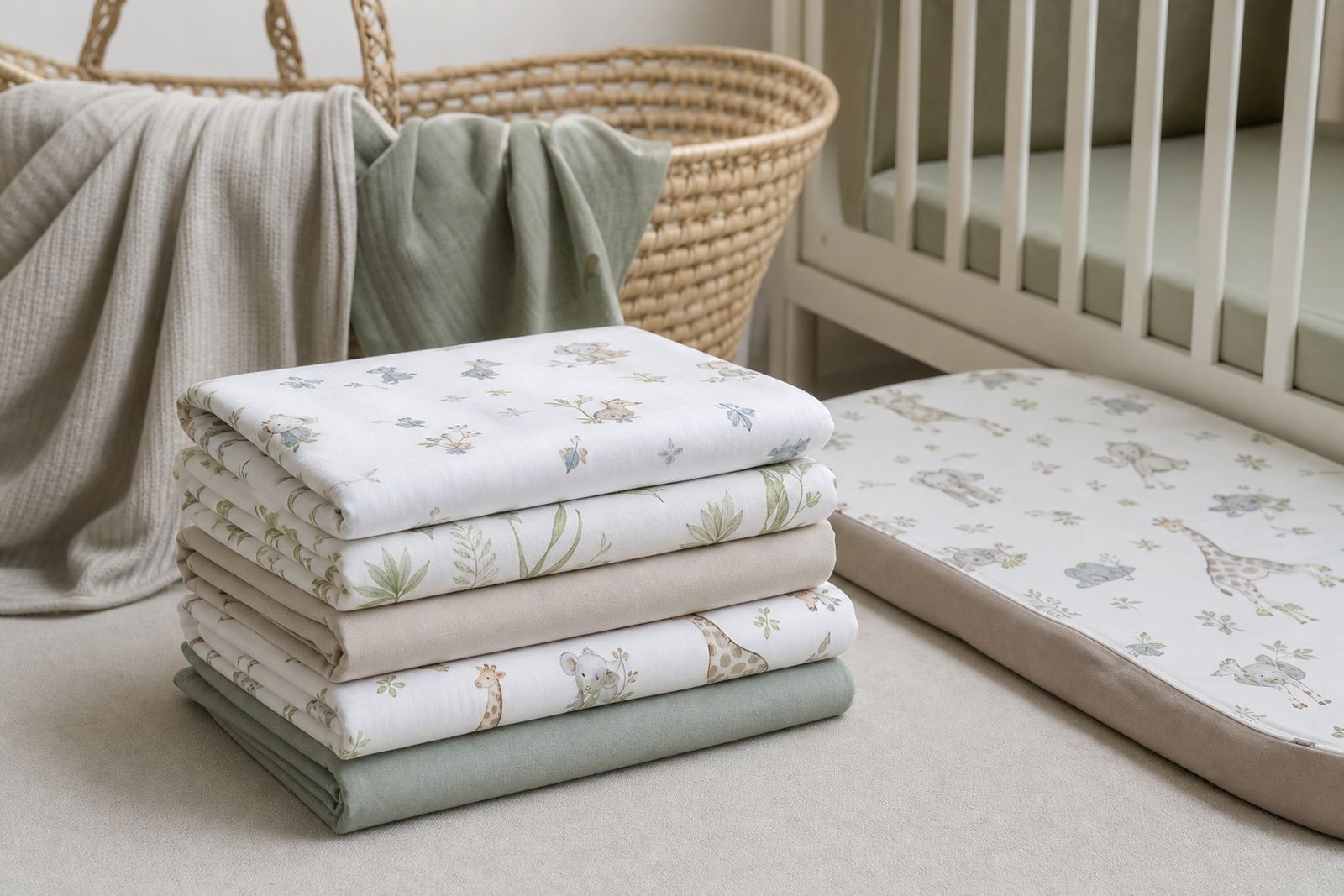
- Make sure it folds neatly for storage or gifting
- Consider whether you want a towel for daily use or for travel
Make wash-friendly construction a priority
Baby towels get washed often, so construction matters. Strong stitching, well-finished hems and fabric that keeps its shape all help the towel last longer. If the towel loses softness too quickly or the edges curl after a few washes, it becomes less pleasant to use. That is especially important when you are doing frequent laundry and need items that can handle regular cleaning without falling apart.
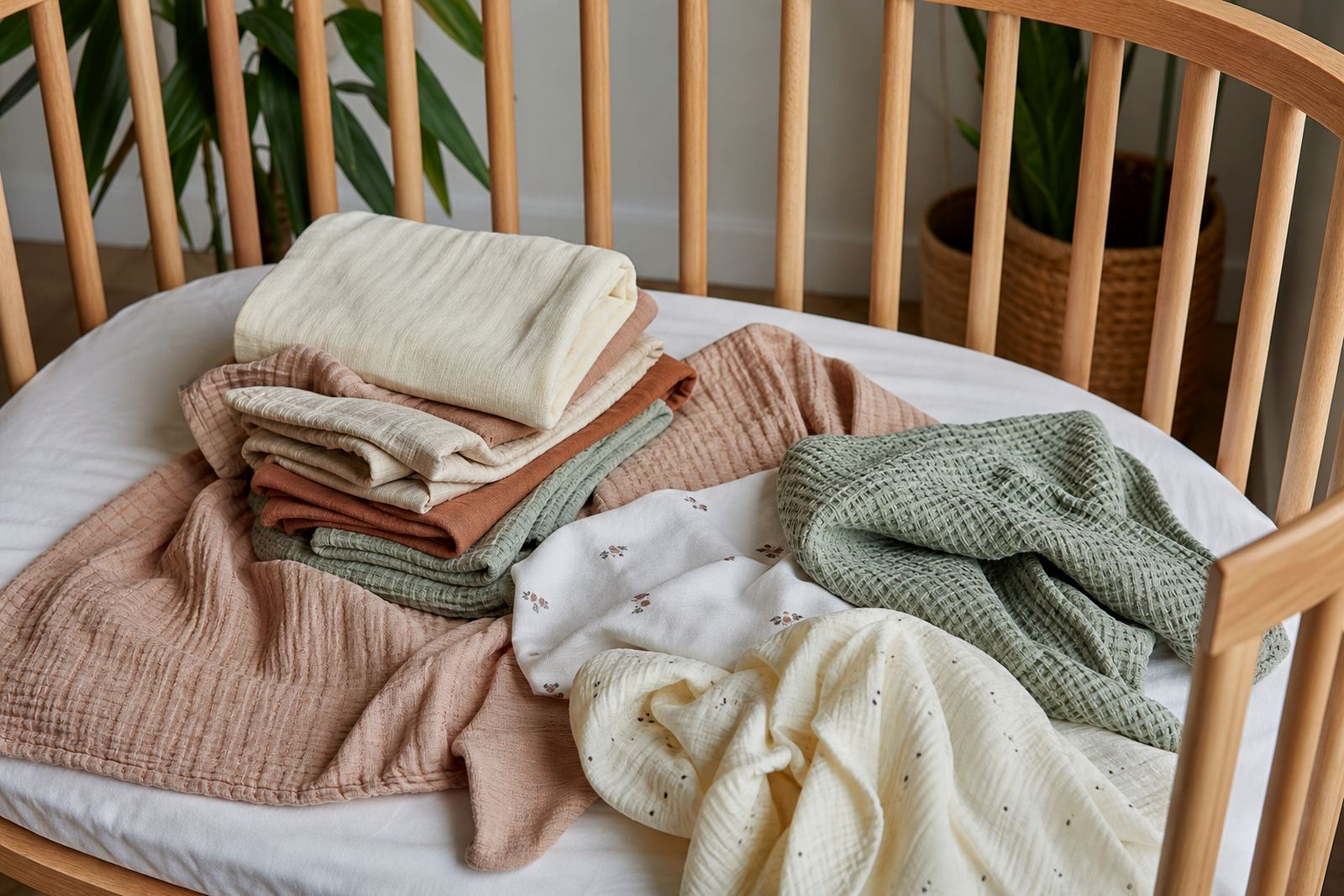
Check whether the towel looks easy to launder with the rest of baby items. A towel that dries fairly quickly is helpful in humid places like Durban and coastal towns, where a slow-drying towel can stay damp longer than you would like. It is also useful to have towels that are easy to fold, stack and store. If your household has limited drying space, this small detail matters more than people think.
- Inspect seams and edging for neat finishing
- Choose a towel that keeps its shape after washing
- Prefer materials that dry at a sensible pace
- Keep towels separate from rough items in the wash if possible
A simple checklist before you add to basket
Before you choose a baby towel, go through a short checklist so you are buying for real life, not just for appearance. A good towel should feel soft, absorb water well, fit baby comfortably and wash without hassle. If you are buying for yourself, pick the features that suit your bath routine. If you are buying as a gift, aim for something practical that most parents will use every week.
For gift wrapping, registry help or a newborn gift box, a towel is a useful addition because it is everyday useful and easy to pair with other baby basics. If you are unsure about a colour or style, a calmer design is often easier to use across different home settings. And if a baby has any skin concerns or a parent has health questions, speak to a clinic, midwife or doctor for guidance.
- Soft enough for delicate skin
- Absorbent enough to dry properly
- Hood shaped for comfort and ease
- Easy to wash, dry and store
- Suitable for daily use or gifting
When you choose well, a baby towel becomes one of those small items that gets used again and again. It is worth taking a few minutes to get the details right.