
Why comfort starts with the waistband
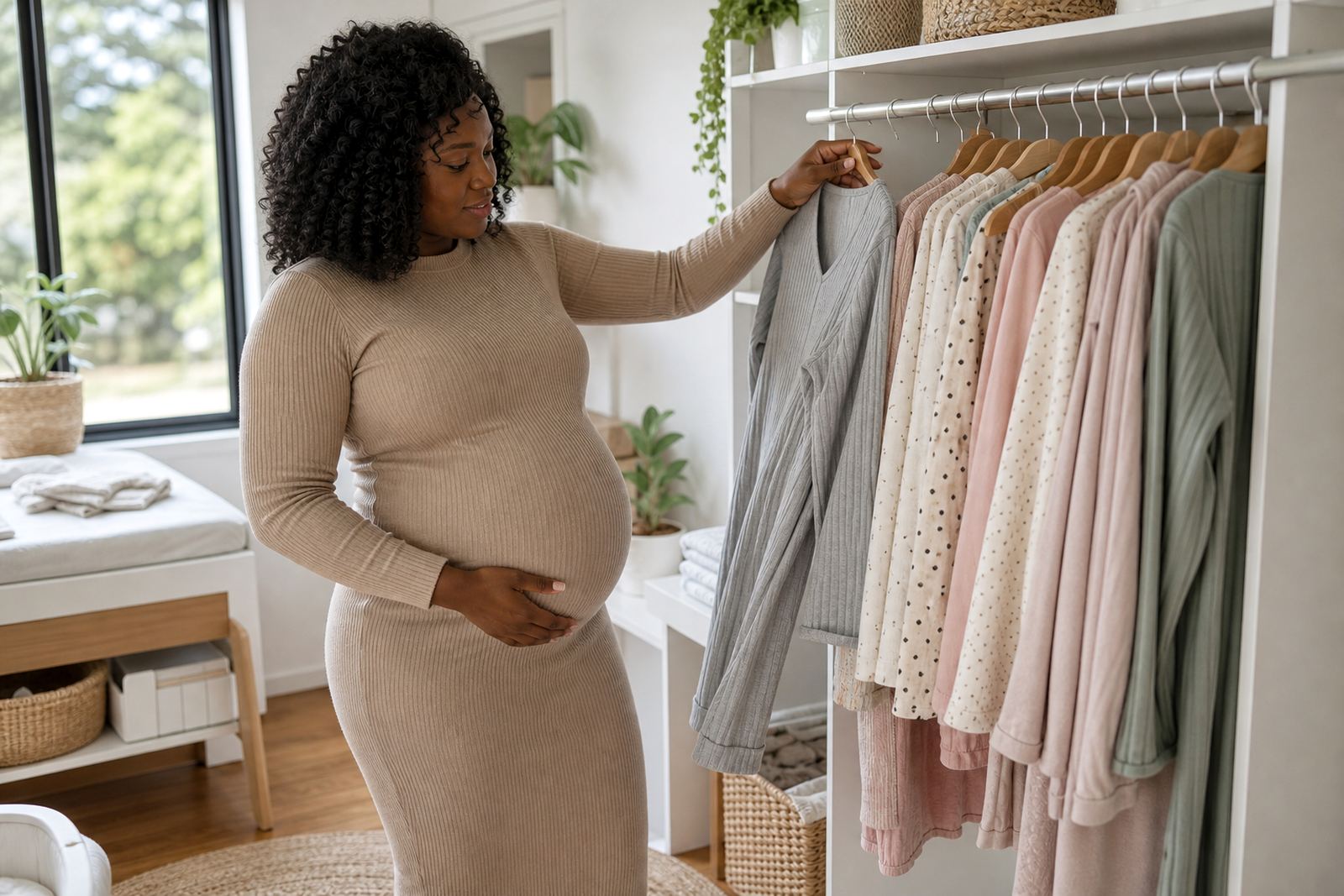
The waistband is often the first place clothing starts to feel tight, especially as the bump grows and the body changes through each trimester. A good maternity waistband should sit gently without digging in, rolling down, or pressing across the stomach when you sit in the car, bend to pick up a toddler, or stand for long periods at work. Many parents find that a wide knit band or a soft under-bump style gives enough support without feeling restrictive.
For everyday wear, the best choice is usually the one that stays comfortable from morning to evening. If you live in Durban, where heat and humidity can make clothing feel clingy, a waistband that stays smooth and does not trap too much warmth can make a real difference. It is worth checking that seams are flat and the fabric has enough give to move with you, not against you.
- Choose a waistband that does not pinch when you sit down.
- Look for soft elastic or wide stretch panels rather than stiff trim.
- Make sure the waistband stays comfortable after washing, not just on first wear.
- If it leaves marks on your skin after a short time, it may be too tight.
Stretch fabrics that move with the body
Stretch fabrics are popular for maternity wear because they can adapt to a changing shape without needing constant adjustment. Materials with a bit of elastane or other stretch fibres often feel better for tops, leggings, dresses and lounge wear. The aim is not to make clothing clingy, but to give enough flexibility for movement, sitting and bending.
Parents often prefer fabrics that recover well after wear, so the garment does not lose shape after a few uses. Breathable fabric matters too, particularly in coastal areas and during summer. A soft cotton blend can work well for daily use, while a slightly thicker knit may suit cooler mornings in Pretoria or Cape Town. For those doing school runs, clinic visits or long days on the road, stretch helps clothing keep up with a busy routine.
It can help to think about where and when you will wear the item. A top that works for a casual office day may need more structure than one for weekends at home. If you are buying online, check the fabric description carefully and look for signs that the item was made to stretch without becoming see-through. That small detail can save a lot of frustration.
Layering for weather, work and changing comfort
Layering is one of the simplest ways to dress comfortably during pregnancy because body temperature can shift through the day. A light vest, a breathable top, and a cardigan or loose outer layer give you options when the weather changes. This is especially useful in South Africa, where a cool morning can turn into a hot afternoon very quickly.
In Durban, a layered outfit helps with both humidity and indoor air conditioning. A lightweight overlayer can be removed when the day warms up, then put back on if the office, pharmacy or shopping centre feels cold. The same idea works well for travel between Umhlanga, Ballito, Pietermaritzburg or further afield, where long drives and changing temperatures can make one heavy outfit feel uncomfortable.
- Keep one light layer in your bag for cold indoor spaces.
- Choose tops that sit smoothly under a cardigan or open shirt.
- Use layers to extend the life of clothes as your shape changes.
- Pick colours and cuts that mix easily, so you do not need a large wardrobe.
What to look for when shopping online
Online shopping makes it easier to find maternity pieces without travelling across town, but the details matter. Check the size guide, the fabric blend, the cut around the bust and stomach, and whether the item is meant for everyday wear or special occasions. A clear product description helps you decide if something is likely to feel comfortable through a full day rather than just for a short fitting.
It also helps to think about practical use. If you need clothes for work, errands and family events, choose pieces that can be dressed up or down. Neutral colours and simple shapes usually do more than very trendy styles. A soft dress or top with enough room to layer can be worn with sandals in summer and closed shoes when the weather turns, which makes it easier to get value from each item.
When health questions come up, such as whether a garment should support a specific body concern or how it should feel during pregnancy, it is best to speak to a clinic, midwife or doctor. Clothing should be comfortable and sensible, but it should not replace medical advice.
Practical choices for pregnancy day to day
Comfort usually comes from small decisions that add up. Soft necklines, gentle seams, enough room at the bust, and fabrics that do not rub can make a long day much easier. Many parents also like pieces that are easy to wash and quick to dry, since laundry routines are already full enough. In homes where load-shedding still affects the day, clothing that dries well and does not need special care is often the easiest option.
For everyday use, these are the details that matter most:
- Seams that do not scratch or press into the skin.
- Fabrics that are breathable and not too heavy.
- Styles that allow easy movement when walking, sitting or driving.
- Pieces that can be worn through different stages of pregnancy, not only one month.
- Simple finishes that hold up well after repeated washing.
There is also something reassuring about knowing a garment can handle the realities of a busy week. School runs, clinic stops, shopping in Umhlanga, or visits to family in Johannesburg can all call for clothing that feels neat without needing much fuss. That kind of ease is often what parents mean when they say they just want something comfortable.
A local example of comfort that works in real life
Think of a mother in Durban who starts her morning with a school drop-off, then heads to work, then stops for groceries before going home. She may spend time in a car, in an office, and walking in warm weather, all in one day. In that setting, maternity wear that stretches gently, breathes well and layers easily is not a luxury. It is the difference between feeling settled and feeling distracted all day.
That same thinking applies whether the day is spent close to home in Umhlanga or on the move between different parts of South Africa. Good maternity basics should help you dress once and get on with the day. A soft waistband, a top that sits comfortably, and a layer you can add or remove quickly often make the biggest difference. The aim is simple: clothes that support everyday life without making it harder.
For many families, that practical approach is what matters most. It keeps dressing simple, saves time, and gives a bit of comfort when everything else is changing at once.