
Start with sheets that fit the mattress properly
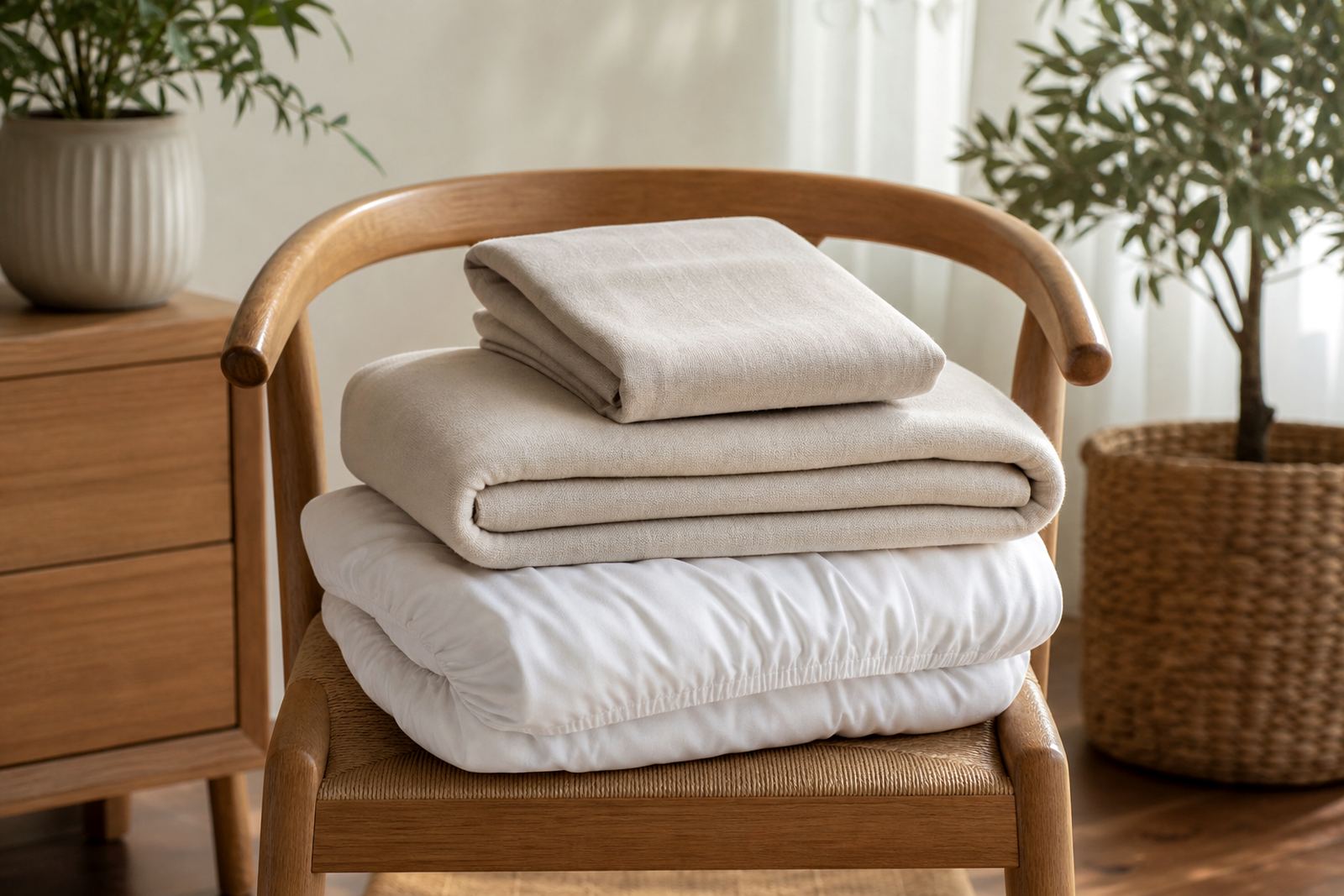
Fitted sheets do the heavy lifting in a nursery because they sit closest to the mattress and get changed often. A good fit matters more than a pretty print. If the sheet is too loose, it can bunch up after a few turns and tugs, which means more fuss at 2am. If it is too tight, it becomes harder to get on and off when you need a quick change.
For most cots, parents look for snug corners, a smooth surface and a fabric that can handle regular washing. Cotton is a common choice because it feels comfortable and is easy to care for. In warmer places like Durban, a lighter weave can help reduce that sticky, clinging feeling on humid nights. In cooler inland areas, many families keep two or three fitted sheets in rotation so there is always a clean one ready.
- Keep at least 2 fitted sheets on hand, 3 is better for frequent spills.
- Check mattress depth before buying so the corners grip properly.
- Choose fabrics that wash easily and dry without too much creasing.
- Use plain colours or simple prints if you want stains to show clearly in the wash.
Choose blankets for comfort, not bulk
Blankets in a nursery should add comfort without making the cot crowded or difficult to manage. The best option depends on the season, the room temperature and how often you need to move between naps, feeds and quick nappy changes. In South Africa, one home can need very different layers from another, especially when you compare coastal humidity with dry winter air in Gauteng.
Light layers are often easier to use than one very thick blanket. A cellular-style blanket, a soft cotton blanket or a light knit layer can be easier to fold, wash and pack for outings. Parents in windy places like Gqeberha may prefer something that adds a bit of warmth without becoming too heavy. In summer, many families keep one lightweight blanket close by and another in the nappy bag for car trips or visits.
- Use lighter layers that are easy to remove if the room warms up.
- Keep blankets for supervision and comfort, and follow safe sleep guidance from your clinic or doctor.
- Wash blankets regularly, especially after spills or sickness.
- Store one spare blanket in the pram or car for unexpected weather changes.
Protective layers make the biggest difference after spills
Protective layers are often the unsung part of nursery linen, but they save time and reduce laundry. Mattress protectors, waterproof underlays and absorbent toppers help limit how far a spill spreads. That means fewer full mattress cleans and less stress when you are already tired. For many families, this is the difference between a quick strip-down and a much longer middle-of-the-night job.
Look for a protector that stays in place and does not crinkle loudly every time your baby moves. Breathable layers are useful in warm weather, while absorbent layers can help on nights when leaks are more likely. If you live near the coast, moisture from the air can make drying slower, so having a second protector in the wash cycle is a practical choice. In homes with regular power cuts, it also helps to keep a spare set ready in case drying takes longer than planned.
- Use a mattress protector under the fitted sheet.
- Keep one clean spare protector ready for quick changes.
- Choose layers that dry well on a line if you do not want to depend on tumble drying.
- Replace damaged protectors if the waterproof layer starts peeling or cracking.
Build a small rotation instead of buying too much at once
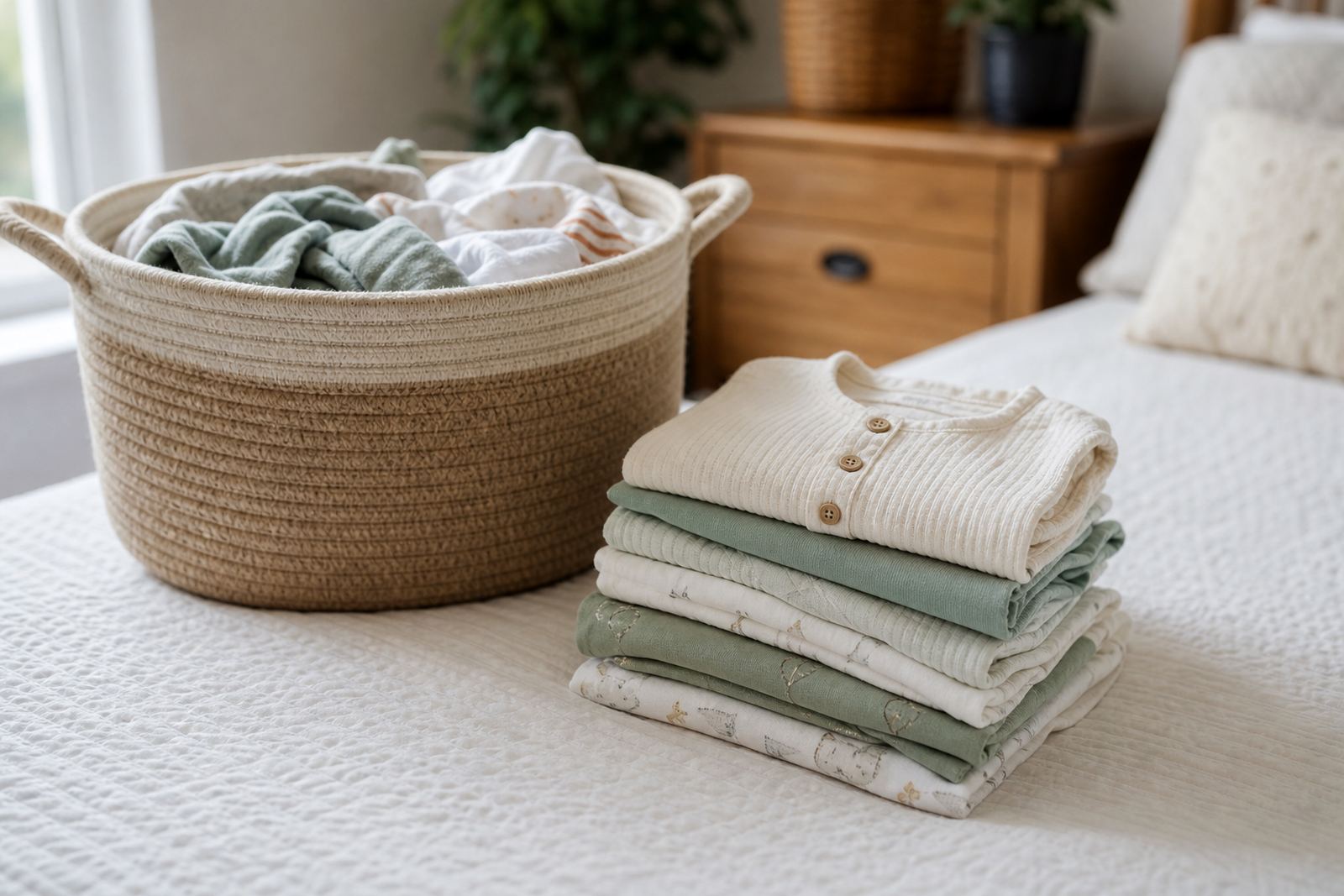
Nursery linen works best when it is part of a simple rotation. You do not need a huge stack of sheets and blankets, but you do need enough to cover the days when laundry is delayed or a load gets stained. A sensible set makes daily life easier and keeps the nursery tidy without overloading the cupboards.
A practical starting point is to keep one set on the cot, one in the wash and one ready for use. If your baby spits up often or you are managing more than one child, a fourth set can be useful. This is especially true for busy households in Johannesburg or Pretoria where laundry may only happen on certain days. A compact rotation also helps when you are packing a hospital bag or preparing a visitor room for a new arrival.
- 1 set on the cot
- 1 set in the wash
- 1 clean spare in the cupboard
- 1 extra set for heavy use periods or travel
Care tips that help linen last longer
Good nursery linen should hold up to repeated washing without losing shape too quickly. That usually comes down to fabric choice, wash routine and how the items are dried. Strong sunlight can help with drying, but too much direct sun over time may fade colours. Gentle washing and sensible drying make a difference, especially when you are washing every few days.
When possible, use mild detergent and avoid overfilling the machine so the fabric can rinse properly. Fasteners, zips and rough seams can catch on lighter fabrics, so keep those items sorted separately if needed. If you are drying indoors during rain or load-shedding, hang items with space between them so air can move around the fabric. In humid Durban weather, that small gap can be the difference between fresh linen and that damp smell no one wants in a nursery.
- Wash new items before first use.
- Follow the care label so elastic and stitching last longer.
- Dry items fully before storing them away.
- Keep a lint roller nearby for blankets that attract fluff.
A local example: keeping up with changing weather in Durban
Take a family in Umhlanga, where mornings can feel warm, afternoons can turn humid and a sudden coastal breeze may arrive by evening. Their nursery may need a light fitted sheet, a breathable blanket and a dependable protector every single week, but not necessarily the same combination every day. That is why flexible linen choices matter more than buying a full set based only on one season.
For parents planning around laundry, visitors and last-minute errands to Ballito or Pietermaritzburg, nursery linen should be easy to strip, wash and put back in place. A simple system saves time when you are balancing feeds, housework and deliveries. The goal is not to have the most items, just the right ones ready when you need them. If you have health questions about your baby's comfort, skin or sleep environment, speak to a clinic, midwife or doctor for proper guidance.