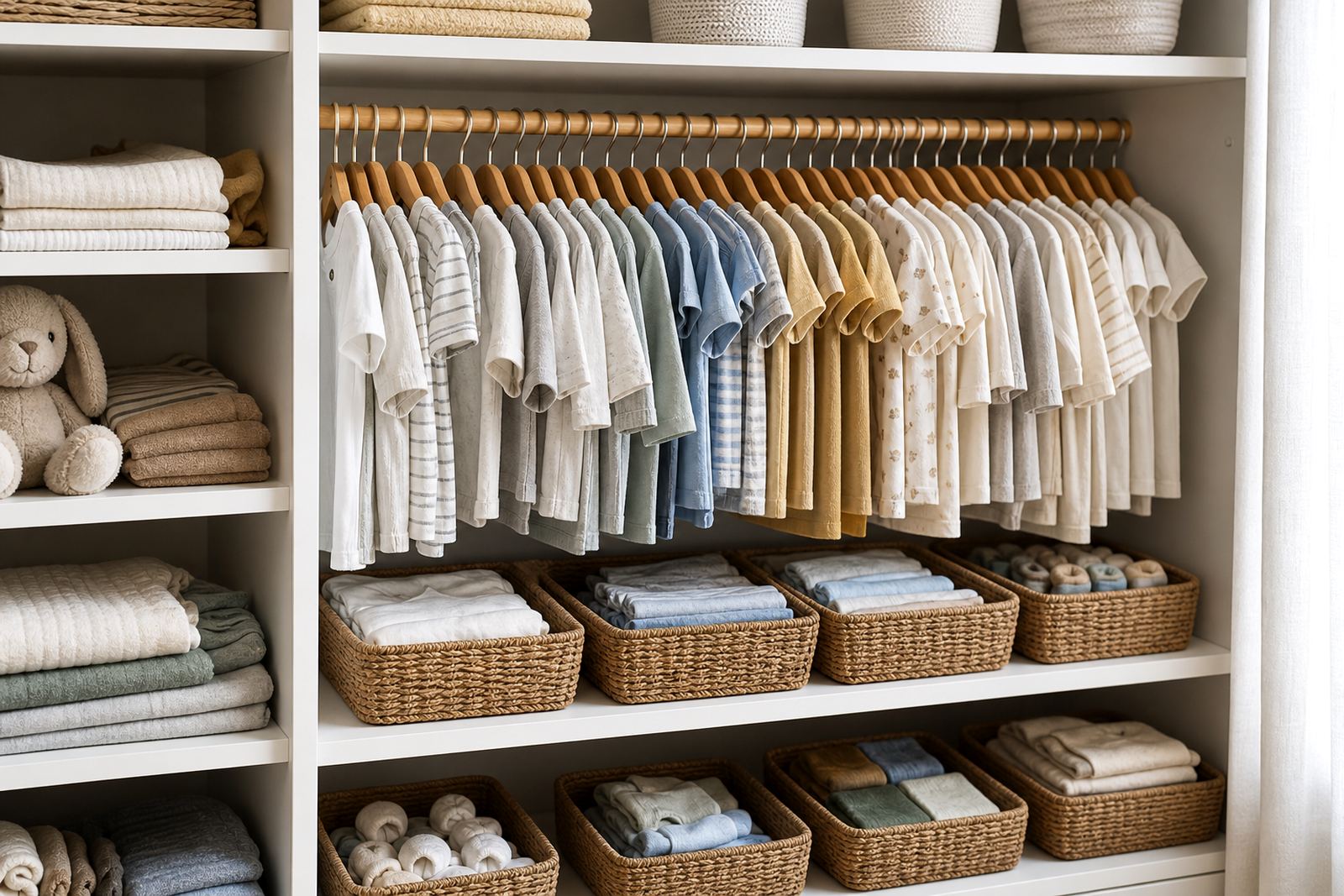
Start with sizes you will actually use first
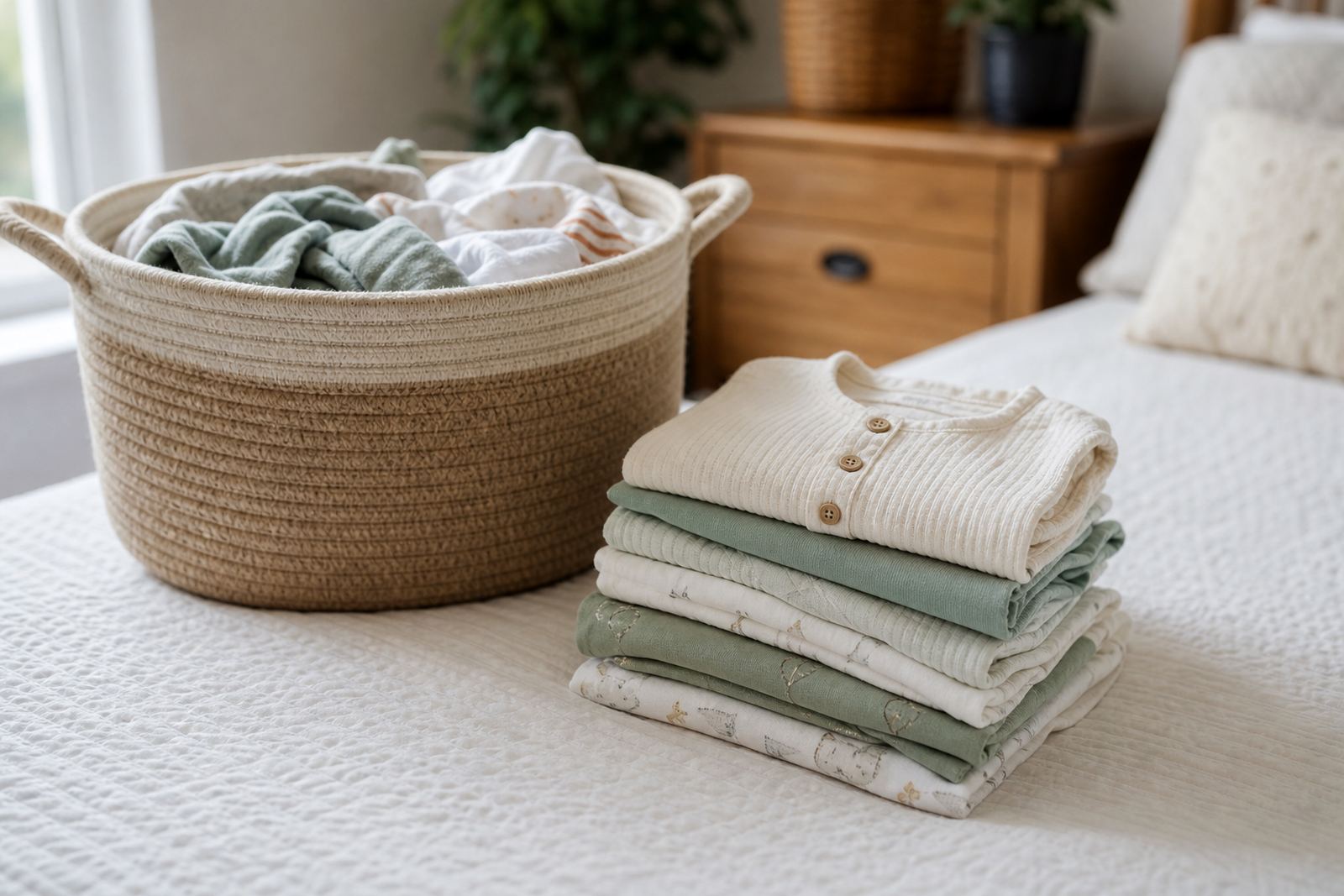
Baby clothing can look tiny and tempting to buy in bulk, but it pays to organise by size before the first wash. Newborn, 0 to 3 months, 3 to 6 months and 6 to 12 months are the usual groups parents reach for first, although every baby grows at a different pace. Keep the smallest items together in one box or drawer so you are not digging through everything at 2am.
A good rule is to keep only a few newborn sets ready, then place the next size nearby but separate. That way, when baby grows out of one size, the next lot is already sorted and easy to reach. It also helps to check labels after washing, because some items shrink a little and fit differently once dried.
- Group vests, sleepsuits, rompers and socks by size
- Keep one small section for hand-me-downs you still need to sort
- Label each storage box clearly so anyone helping at home can find items quickly
Build a daily basics section for quick changes
When a baby arrives, the same items get used again and again. That is why it helps to make a separate daily basics section with the clothing you will need most often. Think in simple sets: vests, sleepsuits, tops, leggings, bibs, hats and socks. If you can grab a full outfit without opening three different bags, mornings become much calmer.
Parents in busy homes often keep a small basket near the changing area for fresh basics and another for worn items waiting to be washed. This works well in a Durban flat or townhouse where space may be limited. It also keeps tiny pieces from getting lost between laundry days, which happens more often than people expect. A little organisation now saves a lot of fuss later on.
- Keep at least two full outfit changes in an easy reach spot
- Store bibs and burp cloths with daily wear, not with special outfits
- Use a separate basket for outgrown or stained items
Sort by season so the weather does not catch you out
South African weather can change quickly, and coastal humidity in places like Umhlanga or Ballito can make light fabrics feel more practical than heavy layers. In winter, especially in inland areas such as Pretoria or Johannesburg, parents often need warmer sleepsuits, cardigans and blankets within reach. In summer, thinner cotton items and short sleeves tend to be the first things used.
The easiest way to plan is to split clothing into warm weather, cooler weather and all-season basics. Keep one box for current use and another for the next season. If you live near the coast, include a light layer for cooler evenings and air-conditioned spaces. If you are inland, keep a warmer layer ready even on bright days because mornings can be chilly.
- Store warm items separately from light cotton basics
- Move the next season’s clothes forward before the weather turns
- Keep a small jacket or cardigan handy for trips to the clinic or shops
Use storage that protects fabric in South African homes
Baby clothes need clean, dry storage. In humid areas, fabric can pick up musty smells if it is packed away while still slightly damp, so make sure everything is fully dry before folding. If you are storing items for later use, use breathable bags or boxes and keep them off the floor in case of spills, dust or pests. A cupboard shelf, high shelf or sealed storage tub can all work well.
It helps to fold small items the same way every time. That makes drawers neater and lets you see what you have without emptying the whole pile. For homes with limited backup power during load-shedding, try to wash and dry clothes in smaller loads so nothing sits damp for too long. A clean, organised system also makes it easier when grandparents or caregivers are helping out.
- Only pack away clothes that are fully dry and clean
- Keep seasonal storage off the floor and away from damp walls
- Fold similar items together so drawers stay neat longer
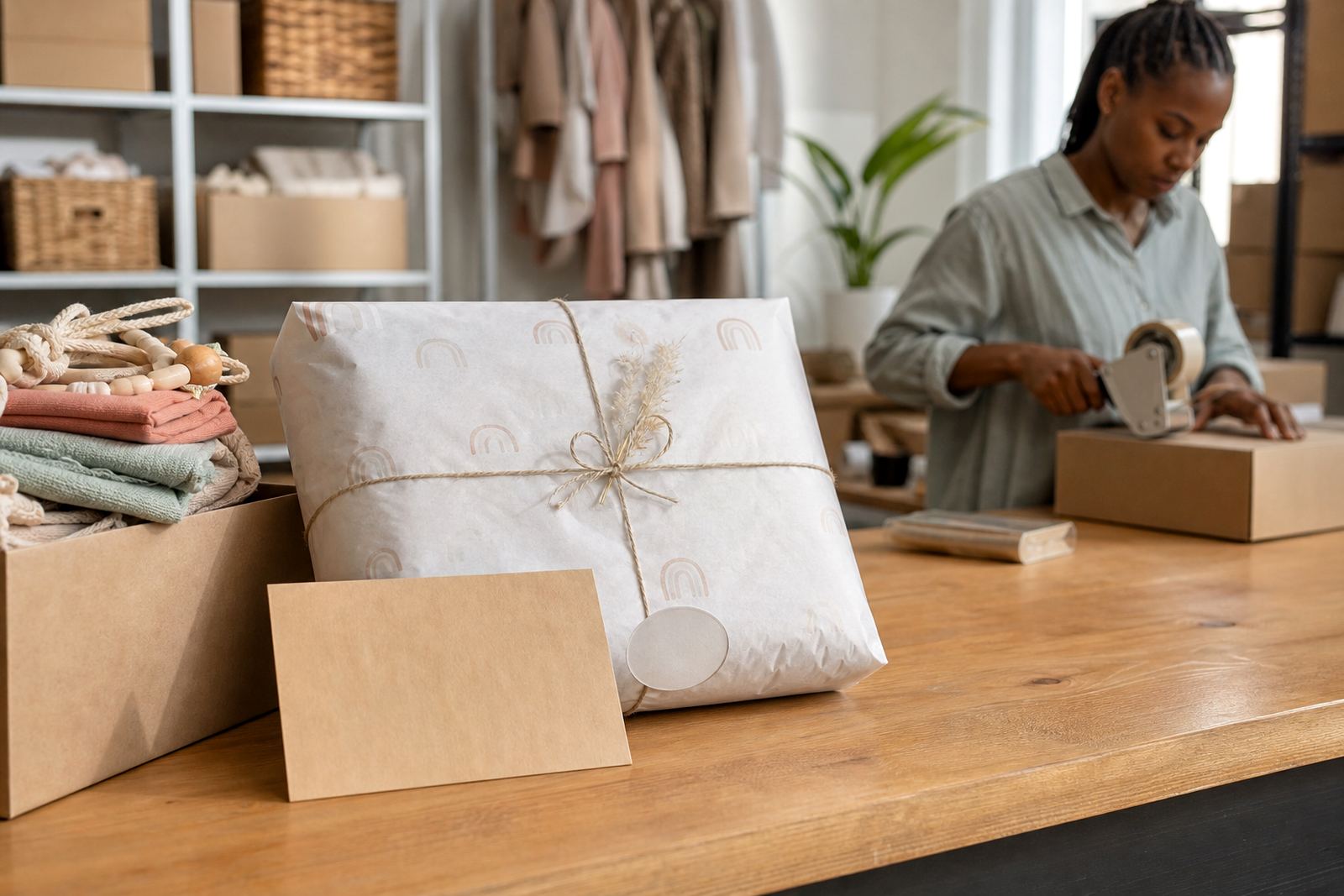
Set aside a small gift and outing section
Not every baby item is for daily use. Some clothing is best kept aside for visits, family photos, church, a naming gathering or a special outing. You do not need a huge section for this, just a few neat pieces that are easy to find when you want baby to look extra tidy. This is also useful if you receive gifts and want to keep them separate from everyday wear.
A small gift section can include a special outfit, a warm layer, matching socks and a spare blanket. Parents often appreciate having one or two neat sets ready for unexpected plans, school pickups or a quick trip into town. It keeps special items from getting mixed into the everyday pile where they can be forgotten. That is a small thing, but it matters when life gets busy.
- Keep special outfits in a separate pouch or box
- Store gifted items with size labels so they are easy to use later
- Set aside a matching wrap or blanket for outings
Prepare a changing basket for the first weeks at home
The first weeks can be full of quick changes, washing and constant sorting, so a changing basket is worth setting up before baby arrives. Place a few clean outfits, nappies, cloths and baby clothes in one easy spot near where you will change baby most often. This does not need to be fancy, just practical and close at hand. Many parents find it helps to keep the basket small enough that it never becomes overloaded.
As a simple safety reminder, keep loose ties, buttons and tiny accessories out of reach, and follow the care instructions on each garment. For any questions about baby skin, growth or health concerns, speak to your clinic, midwife or doctor. Clothing can be sorted neatly, but health questions should always be handled by a qualified professional. A steady routine makes those early days feel less chaotic and easier to manage.
- Keep one basket for changing time and one for laundry
- Check that small accessories are stored safely away from baby
- Restock the basket every few days so it stays ready