
Start with the things you reach for most
When a nursery is being used every day, the best storage is usually the storage that saves time. Keep the items you use most often in the easiest-to-reach spots, then move backup stock to higher shelves or closed cupboards. That way you are not rummaging through piles of clothing or opening every box while holding a baby.
A good starting point is to sort items into simple groups: nappies, wipes, cream, changing cloths, cotton wool, bibs, burp cloths, small blankets and spare clothes. Once grouped, it becomes much easier to decide what should sit in a basket, what should go on a shelf and what can stay in a drawer.
- Keep daily-use items at waist height
- Store backup packs on higher shelves
- Use one container per category where possible
- Leave a little spare space for new items and gifts
Use baskets for quick access and easy sorting
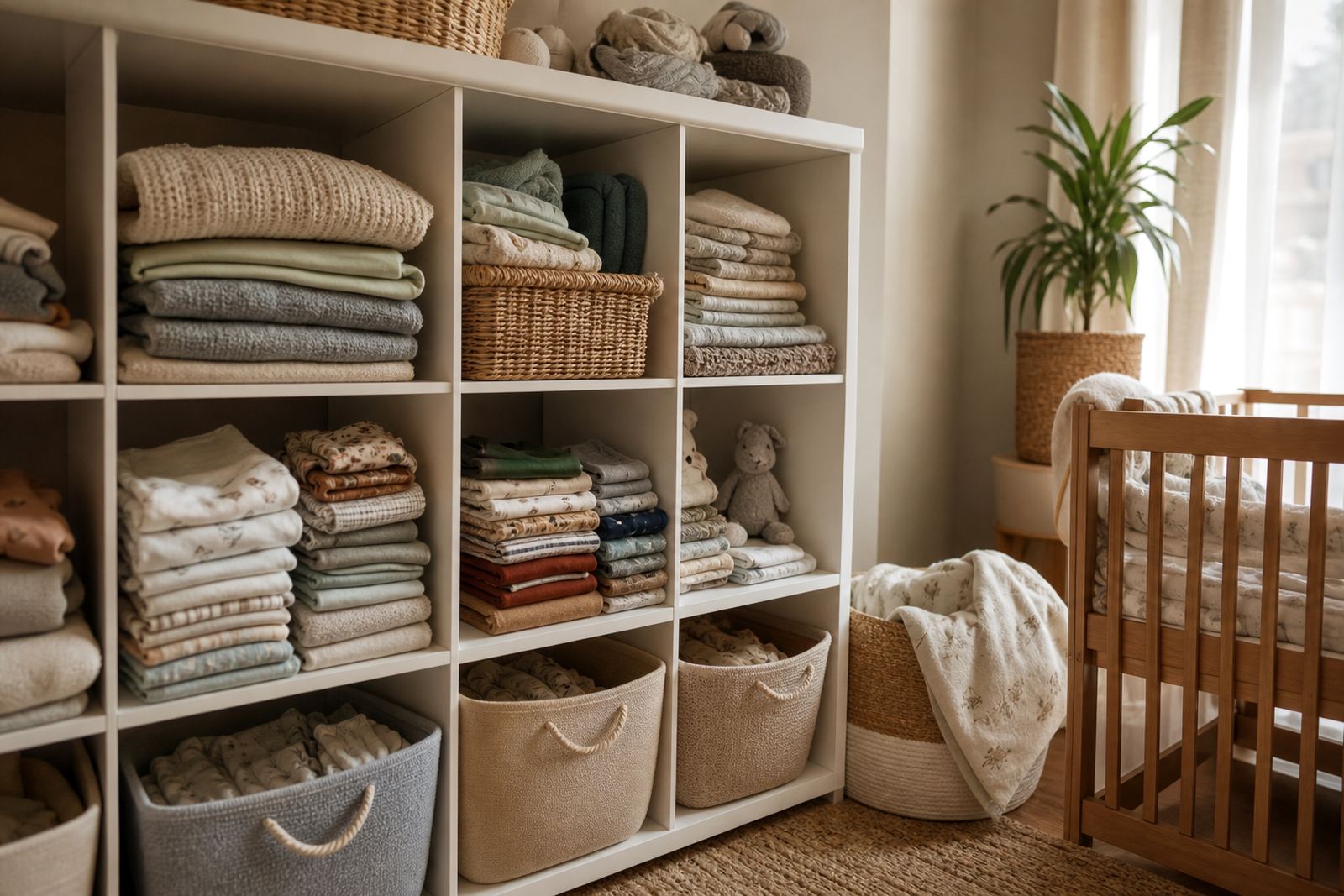
Baskets work well in a nursery because they are simple, light and easy to move from room to room. A basket near the changing area can hold nappies, wipes and cloths, while another near the feeding chair can keep muslins, burp cloths and a spare bib. In a smaller flat in Umhlanga or a townhouse in Durban North, baskets can do a lot of the organising without taking up much floor space.
Choose baskets that are stable and not too deep, so you can see what is inside at a glance. Open baskets are helpful for often-used items, while lined baskets can be better for softer clothing or smaller accessories that might otherwise slip through gaps. Just make sure handles are secure and there are no sharp edges or loose trims.
- Place baskets where you naturally stand and reach
- Use labels if several adults help with baby care
- Keep one basket for clean items and another for laundry
- Avoid overfilling, because the bottom items quickly become forgotten
Caddies make changing and feeding areas easier to manage
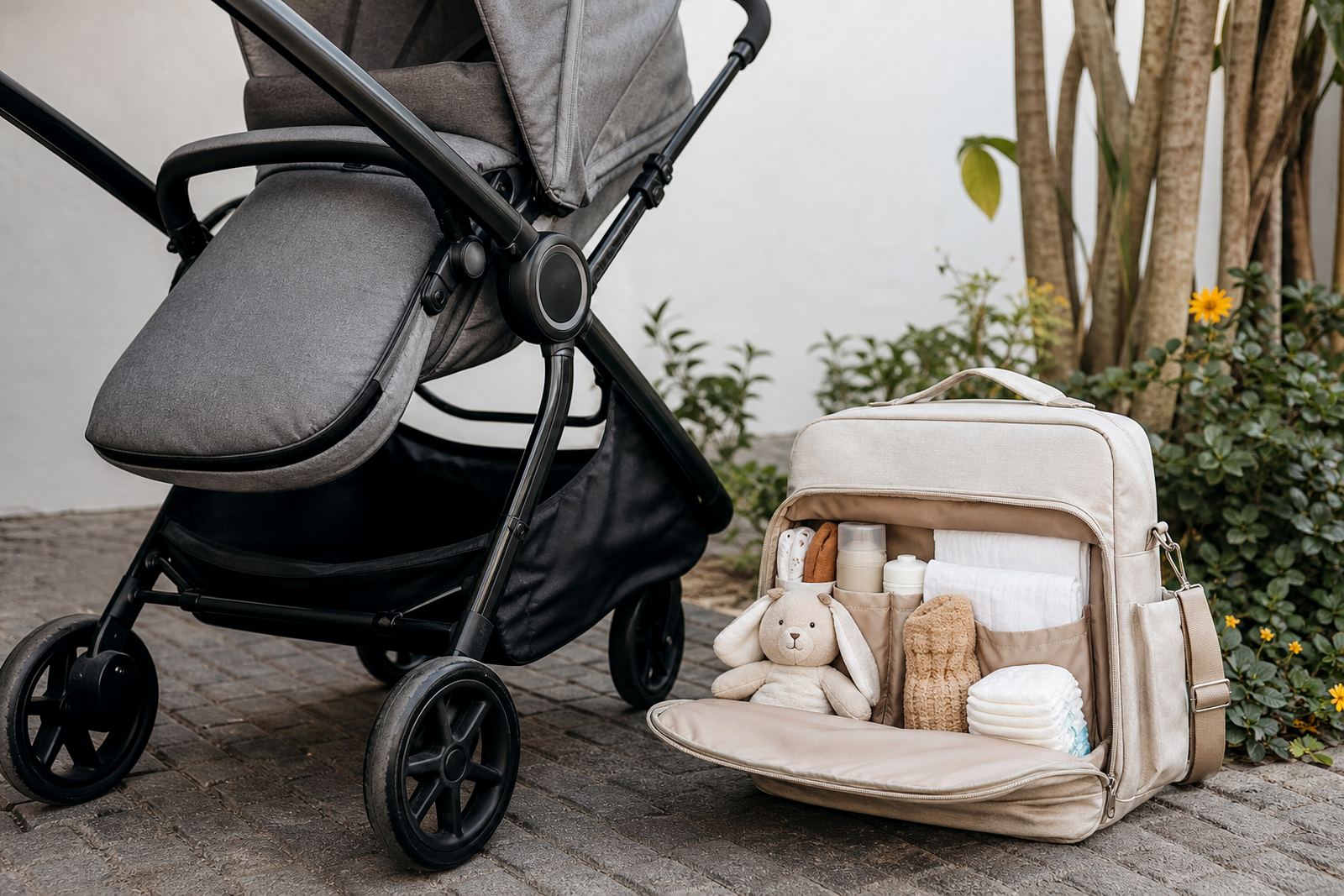
A caddy is useful when you want one movable storage piece that can travel between the nursery, lounge or bedroom. It is handy for late-night changes, daytime naps in another room or a quick move downstairs when family is visiting. The trick is not to pack everything into it, but to keep only the essentials inside.
For many homes, a caddy can hold nappies, wipes, a small changing cloth, hand cream for adults and a spare vest or two. If you are using one in a shared space, it helps to keep it neat and ready to lift with one hand. In Durban’s humid weather, wipe the inside now and then so cardboard packaging or fabric items do not pick up a damp smell.
- Keep the caddy light enough to carry comfortably
- Choose compartments so items do not mix together
- Remove empty packaging and broken bits of wrappers quickly
- Store it out of reach of older children when not in use
Shelves are useful, but only if they stay simple
Shelves can help a nursery feel orderly, especially when space is limited. They work well for folded blankets, labelled boxes, small baskets and decorative storage that still serves a purpose. A few shelves above a chest or changing surface can free up space below and reduce clutter on the floor. In apartments and compact family homes, that extra vertical space matters.
Safety matters here too. Heavy items should sit on lower shelves, and anything that could fall should not be placed above a cot or changing station. Keep breakable decor elsewhere. If a shelf is near a window, remember the Durban heat and coastal moisture can affect some materials over time, so it helps to choose finishes that are easy to wipe down and check regularly for wear.
- Use closed boxes for small loose items
- Put heavier items on lower shelves
- Keep shelves clear above sleeping or changing areas
- Check fixings from time to time, especially in homes with humidity
Plan storage around South African homes and daily routines
Nursery storage works best when it fits real life. In a house in Pietermaritzburg, you might have more room for a tall shelving unit. In a sectional title flat in Cape Town or a family home in Gqeberha, you may need slimmer storage that stands against one wall. The point is to use the space you have well, not to crowd the room with too many containers.
It also helps to think about load-shedding, late deliveries and busy school runs. If a room is dim at night, choose storage that is easy to recognise by shape and position. If you often receive gifts or care parcels, leave one basket or box open for incoming items so they do not end up on a chair or bed. A simple system saves time and a few headaches, too.
- Measure the space before buying storage pieces
- Leave walking room between furniture items
- Choose containers that are easy to clean with a damp cloth
- Keep one spot for gifts, parcels and nursery extras
A simple setup for newborn essentials
If you want a basic nursery system, start with three storage zones: one for changing, one for clothing and one for extras. For example, a basket for nappies and wipes, a drawer or shelf for folded vests and sleepsuits, and a caddy for the items you move around the house. That is often enough to keep the room calm without overcomplicating it.
Maata-style baby and maternity essentials are usually easiest to manage when each category has a clear home. Keep gift items separate until you are ready to use them, and if you are unsure about any product for your baby, ask a clinic, midwife or doctor for guidance. For general nursery storage, though, the aim is simple: keep what you need close by, keep surplus stock tidy, and make the room easy to live in.
- One basket for changing items
- One shelf or drawer for clothing
- One caddy for move-around essentials
- One spare box for gifts and backup items